English
  Spanish
  French
  Russian
  Arabic
Cities across the globe are increasingly challenged to improve street safety, with more pedestrians on the move, people paying less attention while walking, and urban areas becoming more crowded. As we move toward 2026, new systems for pedestrian crossing safety are set to deliver major progress. By combining smart technology, detection devices, and networked tools, these solutions will greatly lower the chance of accidents and better protect people walking in cities.

Key Expectations for Smart Pedestrian Crossing Systems in 2026
In line with global developments in intelligent transportation, the smart pedestrian crossing system in 2026 will center on four main areas: real-time smart response, all-scenario protection, inclusive design for all users, and long-term stable operation.
AI-Driven Real-Time Detection and Flexible Pedestrian Crossing Signal Management
The biggest leap by 2026 lies in AI-powered pedestrian recognition and adjustable timing for pedestrian crossing signals. Using high-definition cameras and radar equipment, the system can accurately recognize:
- The number, walking speed, and waiting time of pedestrians
- Crowd groups such as students and tourists
- Vulnerable users, including the elderly and people with limited mobility
- Unusual actions that could lead to safety risks
The system then automatically changes green-light length, countdown displays, and warning signals without needing manual control.
When compared to traditional fixed-timing crossings, these AI-enhanced systems cut pedestrian waiting times by over 40% and reduce vehicle delays at junctions, benefiting both walkers and drivers.
This forms the core of modern advances in pedestrian crossing safety.
V2X Connectivity: Connecting Pedestrians, Vehicles, and Crossing Infrastructure
By 2026, Vehicle-to-Everything (V2X) technology will be a standard feature in advanced smart pedestrian crossing systems. As soon as a pedestrian enters or waits at a crosswalk, the platform immediately sends safety alerts to connected cars, smart buses, and self-driving systems.
This instant data exchange builds a virtual protective zone:
- Drivers get in-car alerts before seeing pedestrians directly
- Autonomous vehicles can slow or brake early
- Traffic control centers track high-risk areas in real time
- Cities can spot dangerous intersections and improve road layout
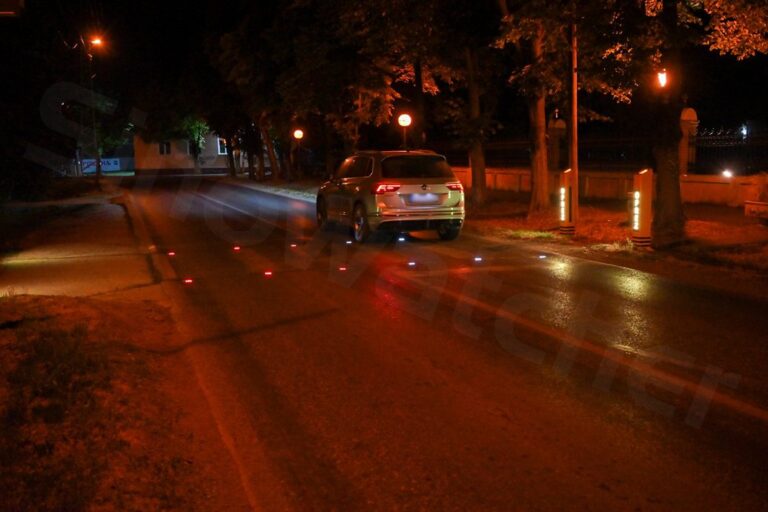
Several forward-thinking cities have already tested these innovative crossing setups. Early results show a clear drop in conflicts between pedestrians and vehicles, as well as fewer near-collision incidents, strong proof of improved pedestrian crossing safety.
A key component of next-generation urban mobility is pedestrian crossing safety. The conventional crosswalk is being rethought as communities throughout the world strive to eradicate traffic fatalities and serious injuries, core goals of effective pedestrian crossing safety. There has never been a greater need for innovation, given the 1.19 million road-traffic fatalities that occur each year.
With the help of dependable, user-focused hardware that connects pedestrian intent and smart signal control, modern smart pedestrian crossing systems are transitioning from passive markers to proactive, intelligent solutions.
The majority of pedestrian crossing signals have serious problems since they rely on set timing and ignore demand in real time:
- Extended wait times during off-peak hours promote jaywalking
- Inadequate time for seniors, parents pushing strollers, and others with impairments to cross during busy times
- Unable to recognize abrupt pedestrian movements
- Inadequate compatibility with autonomous vehicles and connected traffic
- High energy consumption and upkeep expenses for antiquated hardware
These gaps put vulnerable road users at a disadvantage, increase the chance of accidents, and decrease efficiency. All users of the road benefit immediately and clearly from upgrading to responsive, integrated pedestrian crossing safety systems, beginning with robust, intelligent pedestrian push buttons.

Key Expectations for Smart Pedestrian Crossing Systems in 2026
Following global smart transportation trends, the pedestrian crossing safety system in 2026 will focus on four core directions: real-time intelligence, full-scenario safety, universal accessibility, and sustainable operation.
1. AI-Powered Real-Time Sensing and Dynamic Pedestrian Crossing Signal Control
The most significant upgrade in 2026 will be AI-driven pedestrian detection and adaptive pedestrian crossing signal timing. High-precision cameras and radar to identify:
- Pedestrian volume, speed, and waiting time
- Groups of pedestrians, such as students and tourists
- Slow-moving users, including the elderly and people with mobility challenges
- Abnormal behaviors that may lead to accidents
The system automatically adjusts green-light duration, countdown timers, and warning signals without manual intervention. Compared with fixed-time crossings, AI-enabled smart pedestrian crossing systems can reduce pedestrian waiting time by more than 40% and lower vehicle delay at intersections, creating a win-win for both pedestrians and drivers. This is the core of modern innovation in crosswalk technology.

2. V2X Connectivity: Bridging Pedestrians, Vehicles, and Pedestrian Crossing Systems
Vehicle-to-Everything (V2X) technology will become standard in high-level smart pedestrian crossing systems by 2026. When a pedestrian steps into or waits at a crosswalk, the system instantly sends safety alerts to connected vehicles, intelligent buses, and autonomous driving platforms.
This real-time communication creates a virtual safety buffer:
- Drivers receive in-vehicle warnings before visual contact
- Autonomous vehicles can slow down or brake in advance
- Traffic management centers monitor potential conflict points in real time
- Cities can identify high-risk intersections and optimize layout accordingly
Many forward-looking cities have already piloted such : innovation crosswalk systems, with early data showing a significant reduction in pedestrian-vehicle conflicts and near-miss events.

Challenges to Overcome in 2026
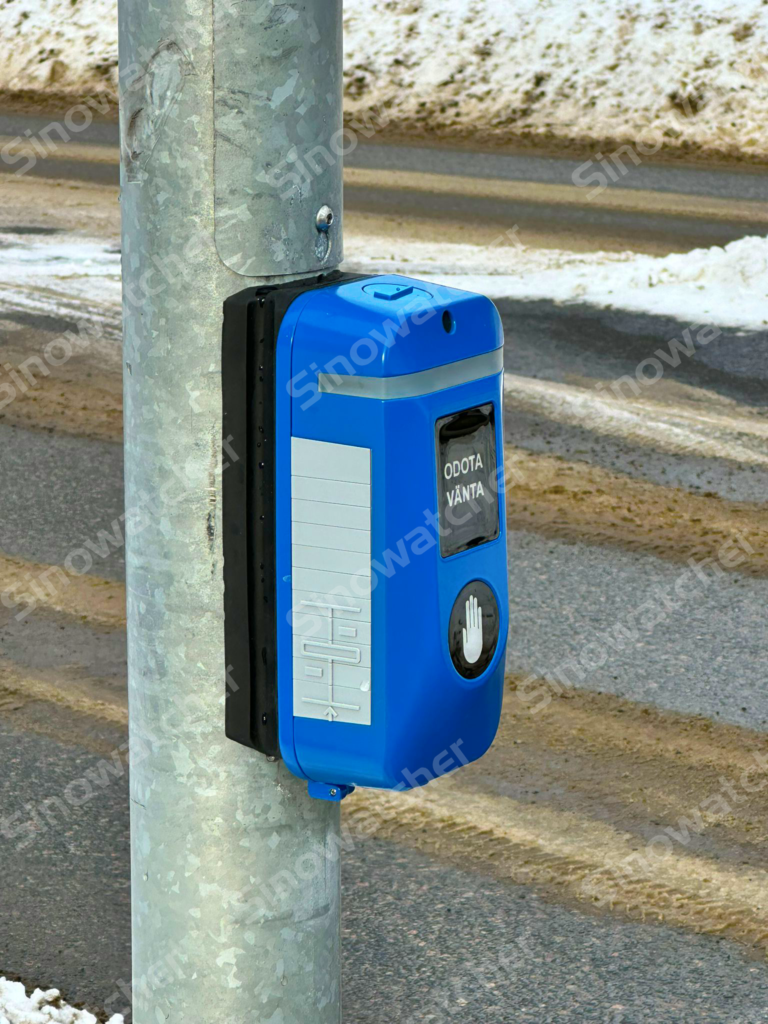
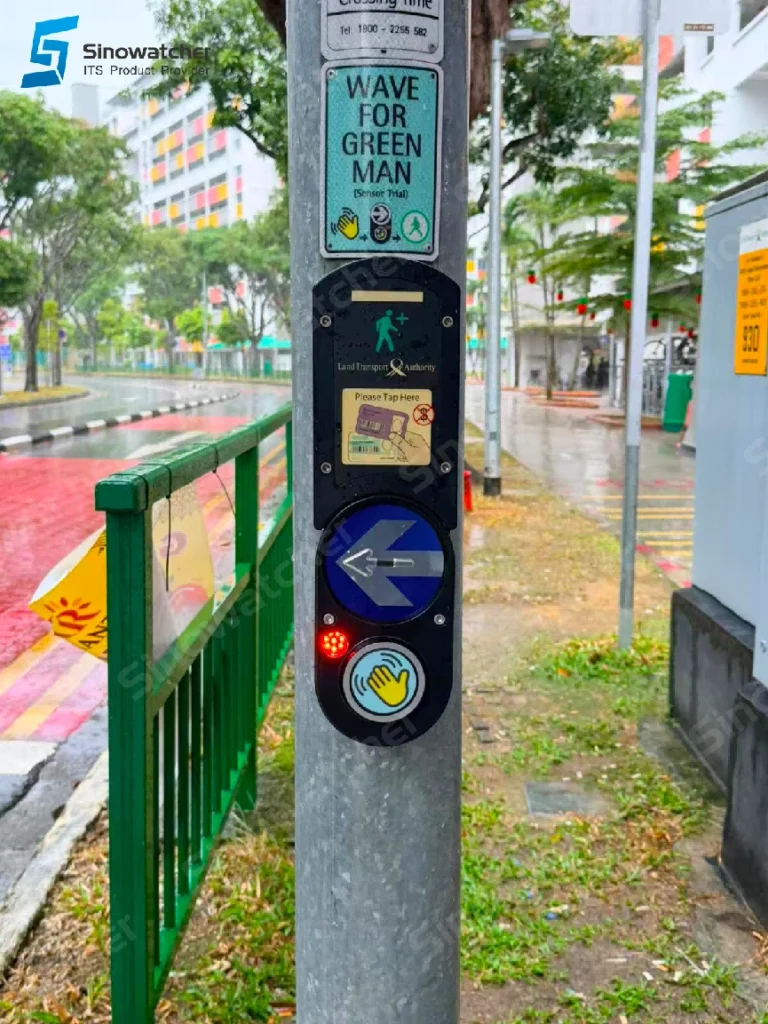
As smart mobility continues to evolve, several hurdles still stand in the way. The cost of initial implementation remains high, data protection continues to spark debate, and the lack of consistent V2X (vehicle-to-everything) standards from region to region slows progress. Yet, scalable strategies are emerging. A practical first step, such as introducing Sinowatcher pedestrian push buttons, known for their affordability and effectiveness, allows cities to modernize crossings gradually without committing to massive infrastructure replacements, making smart pedestrian crossing systems and innovative crosswalk solutions more accessible.
Conclusion:
By 2026, pedestrian crossing safety will advance significantly as intelligent solutions move from concept to everyday reality. Through the integration of AI, real-time connectivity, and inclusive engineering supported by reliable components like Sinowatcher’s push buttons, smart infrastructure will transform how pedestrians and traffic interact, creating smoother, safer, and more equitable streets.
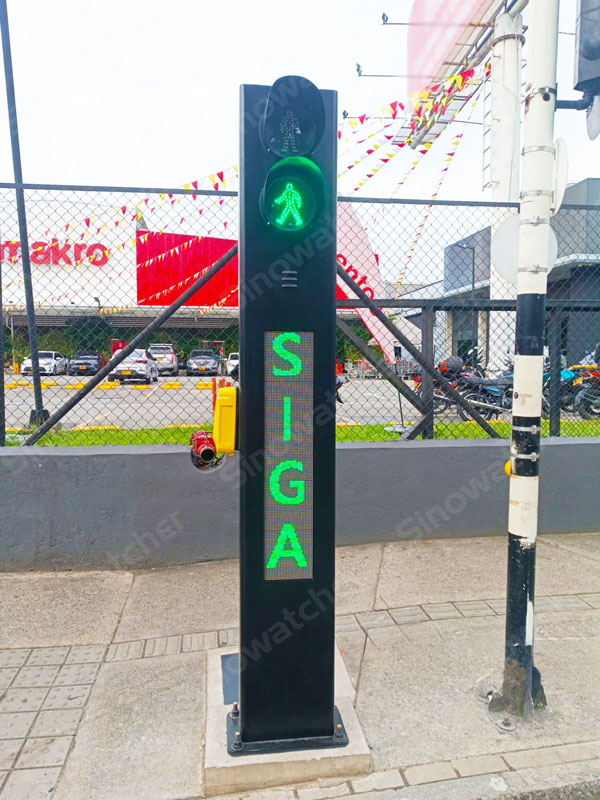
A smart pedestrian crossing system leverages data and automation to optimize traffic flow while prioritizing pedestrian needs. At the core of these systems, the pedestrian crossing signal becomes more adaptive, responsive, and accessible, ensuring safer navigation for all users.
For transportation authorities and urban planners, the path toward improved pedestrian crossing safety begins with simple, human-centered enhancements that can scale into smarter, more connected urban mobility solutions.