1 For the optocoupler output, 1 is connected to the OC transistor output
Smart City Transportation
The E100 adaptive traffic signal controller is a core component of Adaptive Traffic Signal Control Systems (ATSC) for smart cities. It integrates with traffic management platforms and real-time data systems to enable intelligent, networked signal control, improving overall road network efficiency and supporting smart mobility initiatives.
Urban Arterials and Corridors
For high-volume urban arterials, the E100 provides adaptive arterial coordination and optimized green wave progression. By dynamically adjusting signal timing across multiple intersections, it reduces delays and stops, increases corridor capacity, and improves traffic flow during peak and off-peak periods.
BRT Transit Corridors
In BRT applications, the E100 supports optional transit signal priority to ensure efficient and reliable bus operations. By balancing public transport priority with general traffic performance, it enhances service quality and promotes sustainable urban transportation.
Area Traffic Management
The E100 enables area-wide signal coordination and centralized management of multiple intersections. It improves traffic distribution, network stability, and incident response capability, making it suitable for urban districts and regional traffic control applications.
Sinowatcher’s adaptive traffic signal control systems — Advanced, Smart and Stable
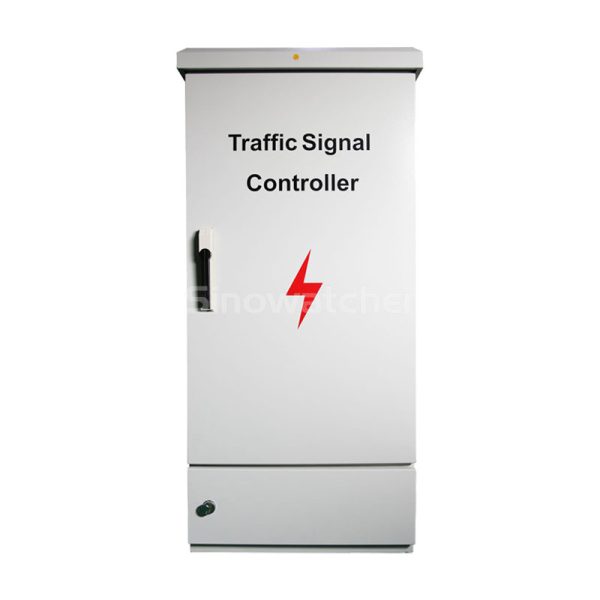
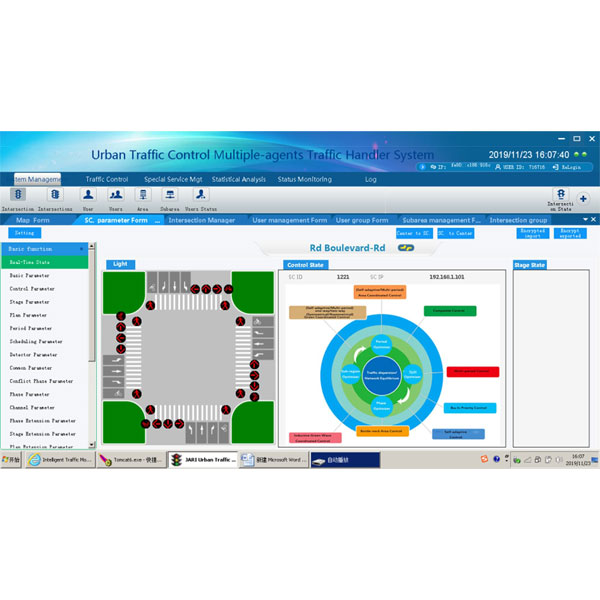
E100 adaptive traffic signal controller is a high-performance traffic signal control device designed for urban Intelligent Transportation Systems (ITS). It integrates adaptive control, coordinated control, actuated control, and multi-mode operation, dynamically optimizing signal timing based on real-time traffic conditions to significantly improve roadway efficiency and traffic safety. The controller supports time-of-day scheduling, actuated/semi-actuated control, isolated adaptive control, and offline arterial and area coordination, and can be centrally managed through a traffic control center. It also supports optional BRT transit signal priority, VIP and special-purpose vehicle priority, and pedestrian call control, making it well-suited for complex urban road networks.
Advantages of Sinowatcher
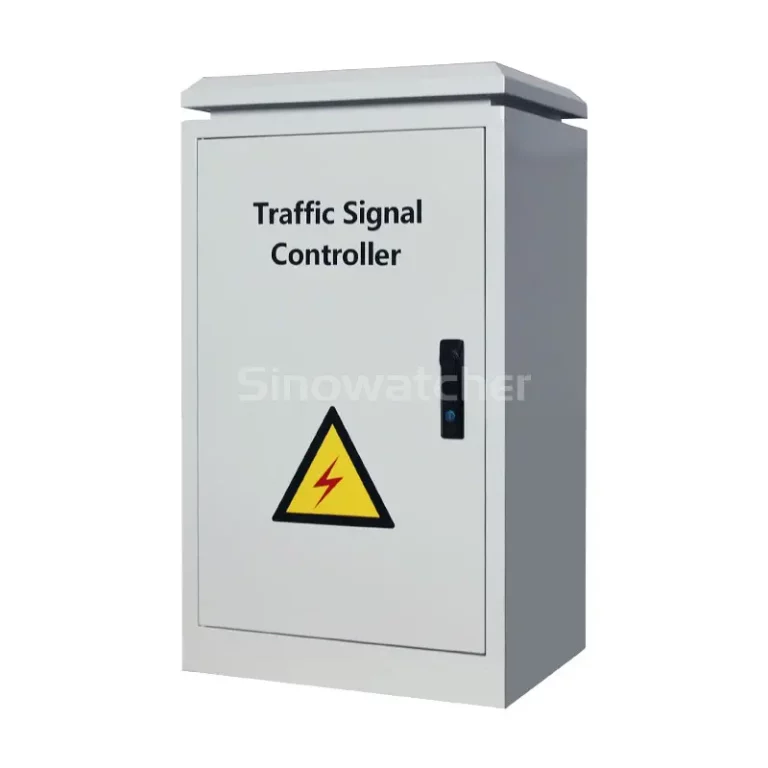
Adaptive traffic signal controller
Sinowatcher’s E100 adaptive traffic signal controller is an ideal solution for smart cities, urban arterials, BRT corridors, and regional traffic management applications.
Improved Traffic Efficiency
As an advanced adaptive traffic signal controller, the E100 dynamically optimizes signal timing based on real-time traffic flow data. As part of modern adaptive traffic signal control systems, it automatically responds to changing traffic demand, effectively reducing congestion, minimizing delays, and improving overall intersection performance.
Flexible Multi-Mode Operation
The E100 adaptive traffic signal controller supports time-of-day scheduling, actuated and semi-actuated control, isolated adaptive control, and offline arterial and area coordination. This flexibility allows the controller to adapt to peak hours, off-peak periods, special events, and complex urban traffic conditions, ensuring consistent and reliable traffic management.
Efficient Corridor and Area Coordination
By combining isolated adaptive control with arterial and regional coordination strategies, the E100 adaptive traffic signal controller enables efficient multi-intersection linkage. This coordinated operation enhances traffic progression along corridors and across regions, making it a key component of large-scale Adaptive Traffic Signal Control Systems.
Priority Control for Public Transport and Special Vehicles
The E100 adaptive traffic signal control systems support optional BRT transit signal priority, VIP and emergency vehicle priority, and pedestrian call control. These features improve public transport punctuality, ensure rapid passage for priority vehicles, and enhance pedestrian safety, contributing to a more balanced and people-oriented traffic system.
High Reliability Industrial Hardware Design
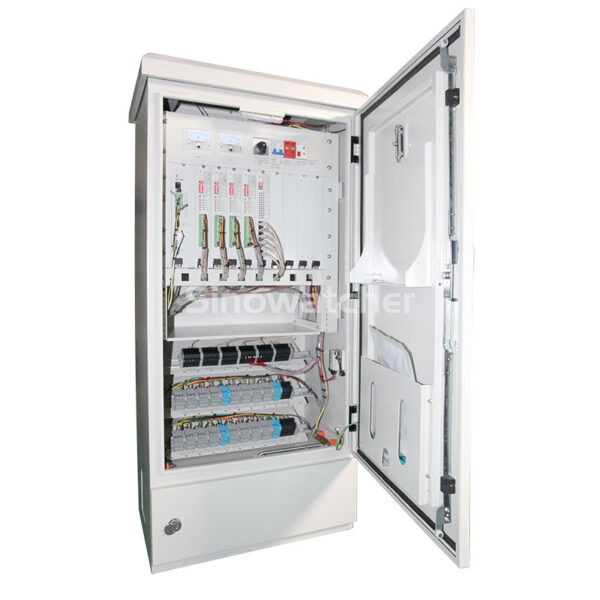
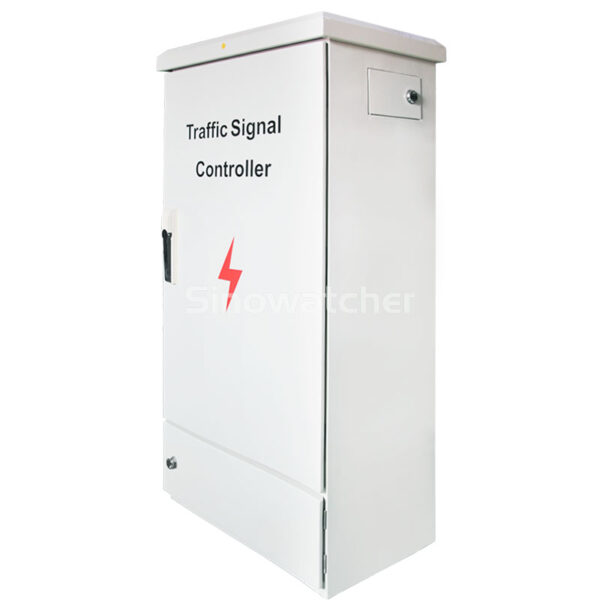
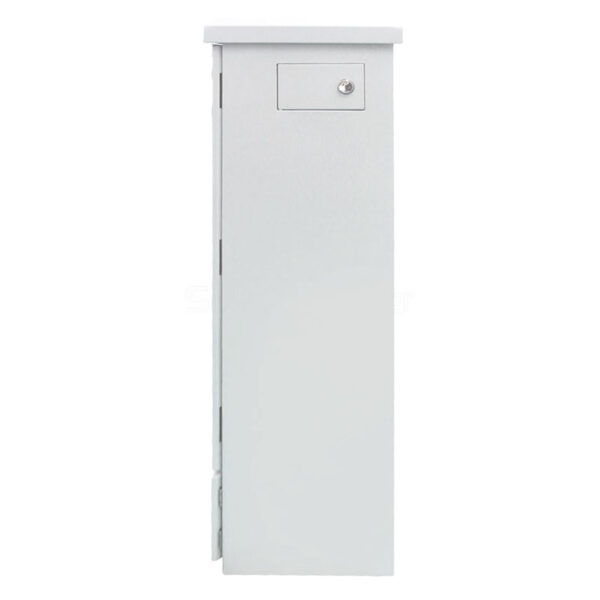
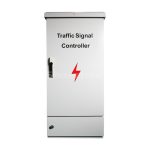
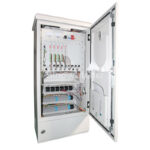
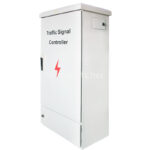
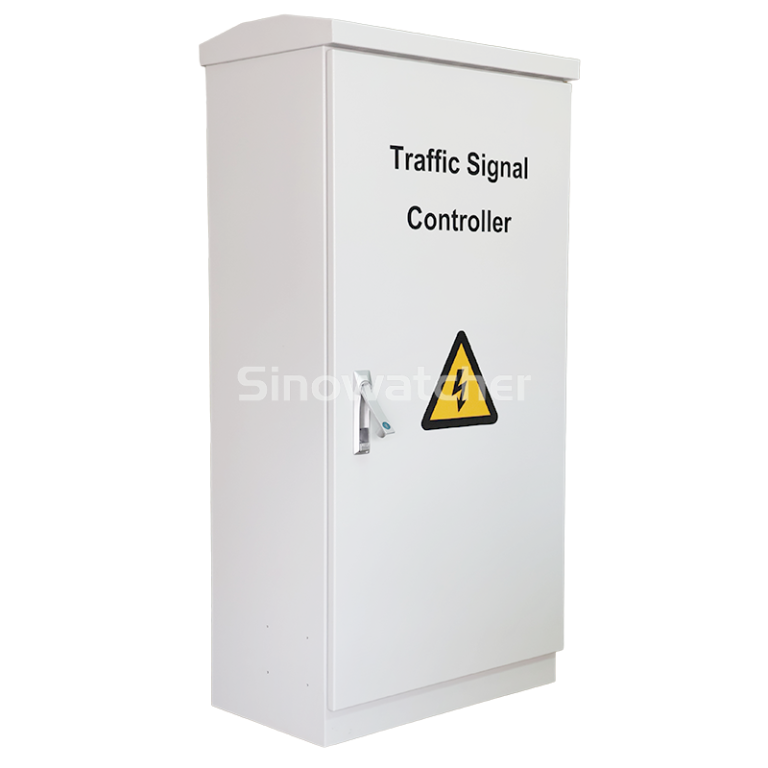
Built with a stainless-steel cabinet and an IP54 protection rating, the E100 adaptive traffic signal controller is designed for harsh outdoor environments. Redundant power switching, surge protection, and comprehensive electrical protection ensure stable and continuous operation, reducing downtime and maintenance risks.
Scalable Modular Architecture
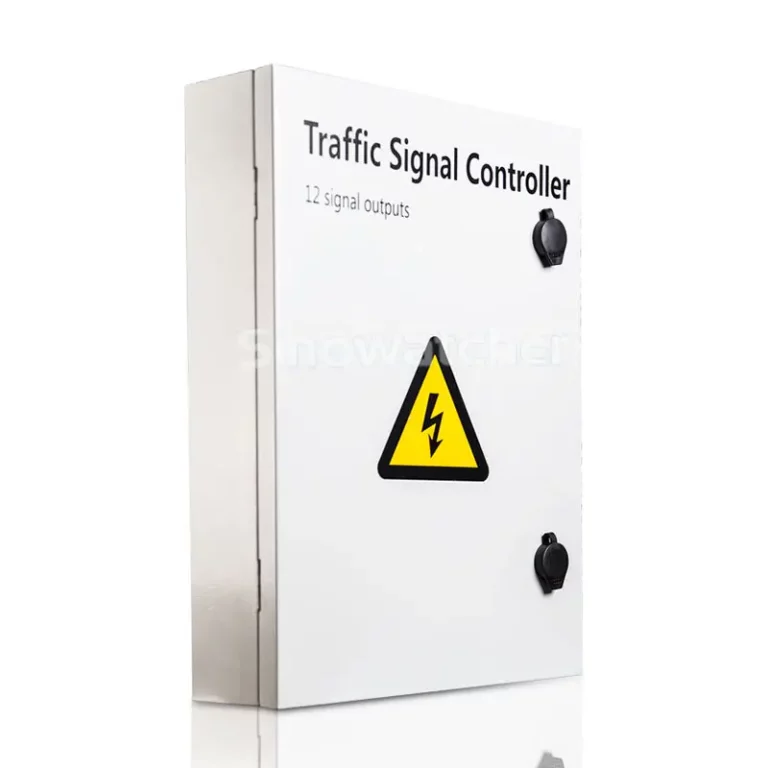
The modular hardware design supports multi-phase and high-channel signal outputs, allowing easy expansion from standard configurations to large, complex intersections. This scalability protects long-term investment and enables future upgrades within evolving Adaptive Traffic Signal Control Systems.
Open and Stable Embedded Linux Software Platform
Based on an embedded Linux operating system, the E100 adaptive traffic signal control systems offer high stability, real-time performance, and excellent maintainability. Integrated adaptive, actuated, coordinated, and multi-mode control functions simplify system configuration while supporting future software enhancements.
Wireless Coordination for Cost-Effective Deployment
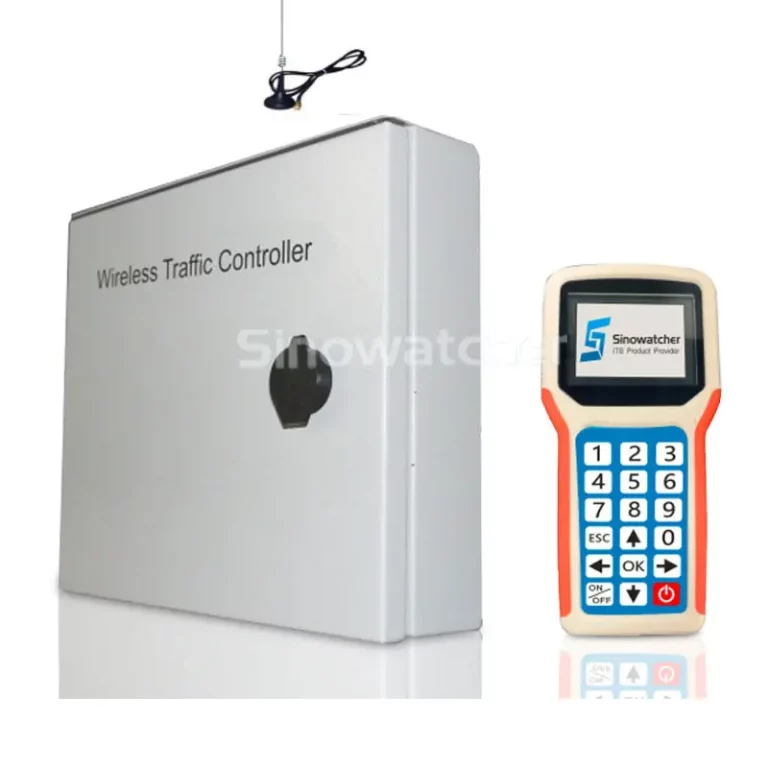
With an optional GPS wireless coordination module, the E100 adaptive traffic signal control systems enable multi-intersection coordination without communication cabling. This significantly reduces installation complexity, construction time, and maintenance costs, especially in retrofit or temporary deployment scenarios.
Comprehensive Operation, Maintenance, and Safety Features
The E100 adaptive traffic signal controller supports traffic data collection and analysis, automatic fault detection and alarms, flashing yellow and all-red modes, overvoltage protection, and cabinet door alarms. Manual phase stepping and optional mobile terminal operation allow efficient on-site commissioning and remote maintenance, ensuring long-term system reliability.
 English
  Spanish
  French
  Russian
  Arabic