English
  Spanish
  French
  Russian
  Arabic
Introduction
In previous chapters, we explored how detectors serve as the eyes of the traffic system and how parameters define its reflexes. But what truly brings intelligence to an intersection is the decision-making logic inside the traffic controller. How does it know when to extend a green light, when to end it, or which street deserves priority? In this chapter, we’ll translate the controller’s logic into human language and understand how these invisible decisions create smoother, more adaptive traffic flow.
The Core Principle: “Green as Long as It’s Needed”
At the heart of actuated signal control lies a simple principle: keep the green light active as long as vehicles continue arriving, and end it when traffic slows or stops. This dynamic adjustment is what makes modern intersections feel “smart.”
When a green phase begins, the controller guarantees a minimum green time (Gmin) to ensure that vehicles already waiting can start moving safely. During this period, the system simply counts incoming vehicles. Once Gmin expires, a gap timer activates—each time a new vehicle is detected, the timer resets.
If the timer runs out because no vehicle arrives within the set “critical gap,” the controller interprets this as a break in traffic flow and switches to the next phase. To maintain fairness, a maximum green (Gmax) is also defined; even if vehicles keep arriving, the controller will force a phase change once this upper limit is reached.
This continuous evaluation allows the controller to balance demand and fairness—serving active approaches efficiently while ensuring other directions are not left waiting too long.
The Logic Behind Green Extensions

Extensions occur only after the minimum green has elapsed. Each vehicle arriving within the “critical gap” extends the green slightly—often by 2 to 3 seconds. For instance, with Gmin = 7s, Gmax = 40s, and a gap of 3s, the controller can keep the phase green for up to 40 seconds if cars continue arriving every 2 seconds.
But if no car appears within that 3-second window, the light changes. In essence, the green phase survives as long as it is “fed” by incoming traffic—once the flow stops, the phase naturally ends.
Ending the Green Early
In some cases, especially on less busy approaches, the controller may detect no vehicle even during the minimum green. To avoid wasting valuable cycle time, the system can terminate the phase early or skip it entirely in the next cycle. This prevents unnecessary green time for empty approaches and maximizes overall intersection efficiency.
Determining Priority: Who Goes First?
In semi-actuated systems, the major street typically holds permanent priority, while the minor street requires a “request” from vehicle detectors to receive green. The controller grants this request only after the major street’s minimum green has been satisfied.
In fully actuated systems, every approach is equipped with detectors, allowing the controller to assign priority dynamically. The decision depends on real-time factors such as the volume of detected vehicles, accumulated waiting times, and phase sequencing with adjacent intersections. Advanced systems can even recognize traffic patterns—such as heavier inbound flows during morning hours—and adjust their priority bias automatically to maintain optimal coordination.
Managing Pedestrians and Public Transport

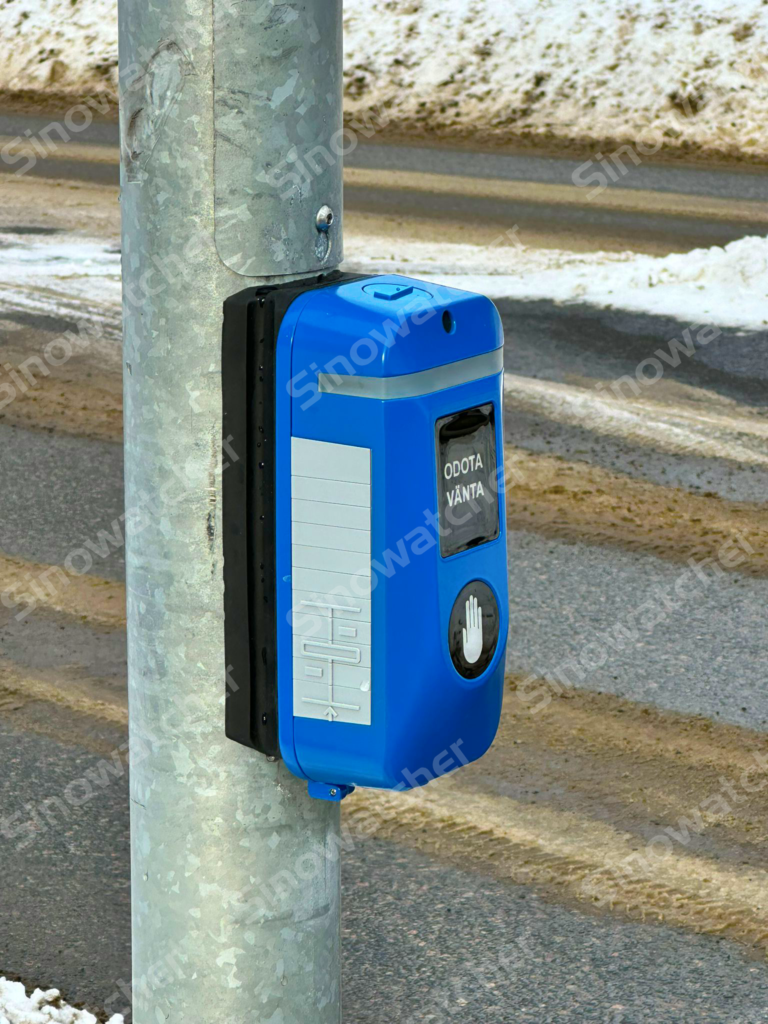
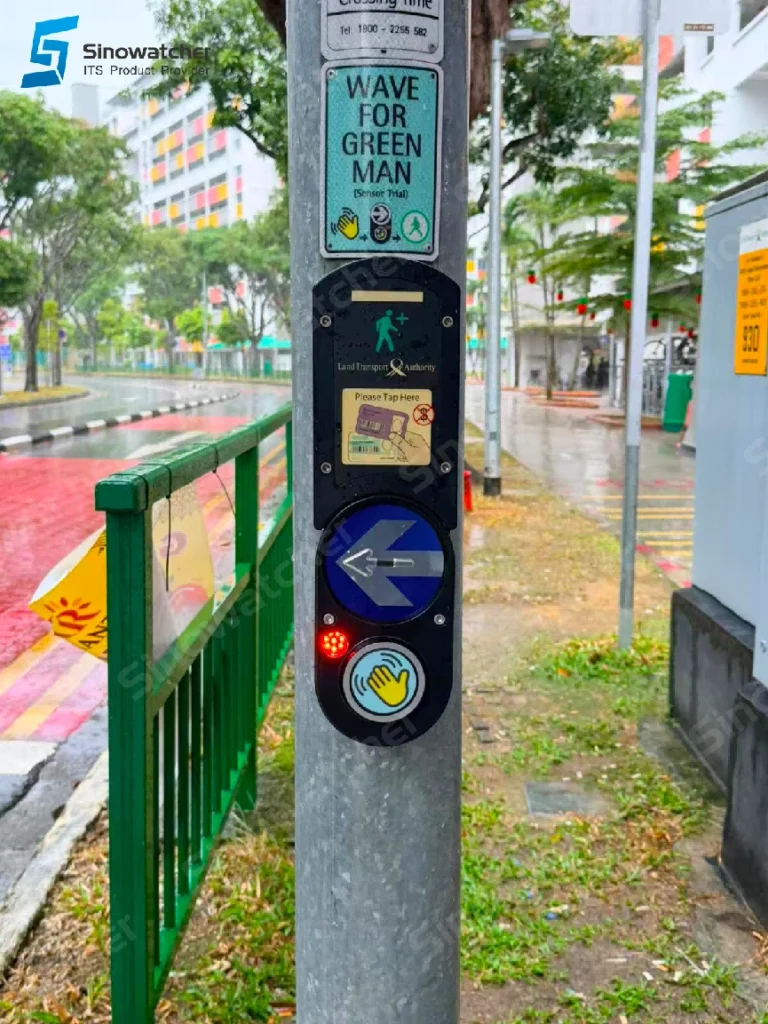
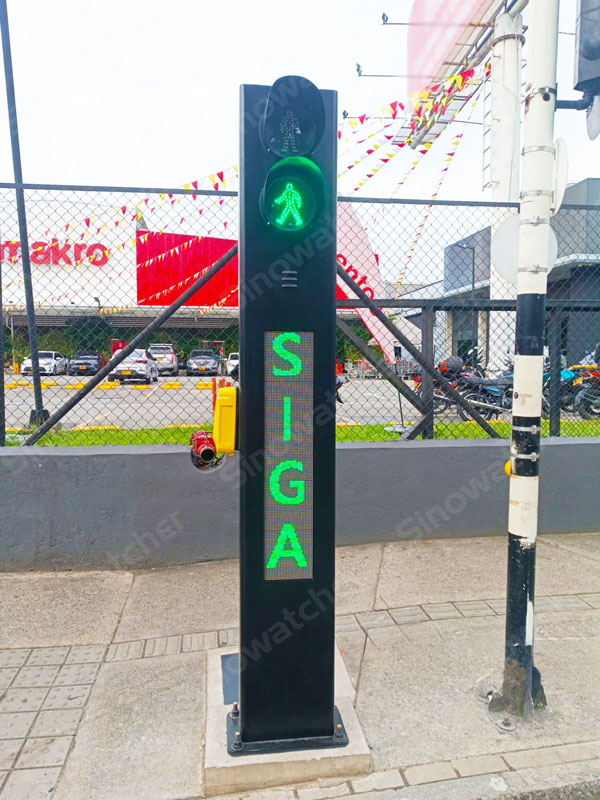
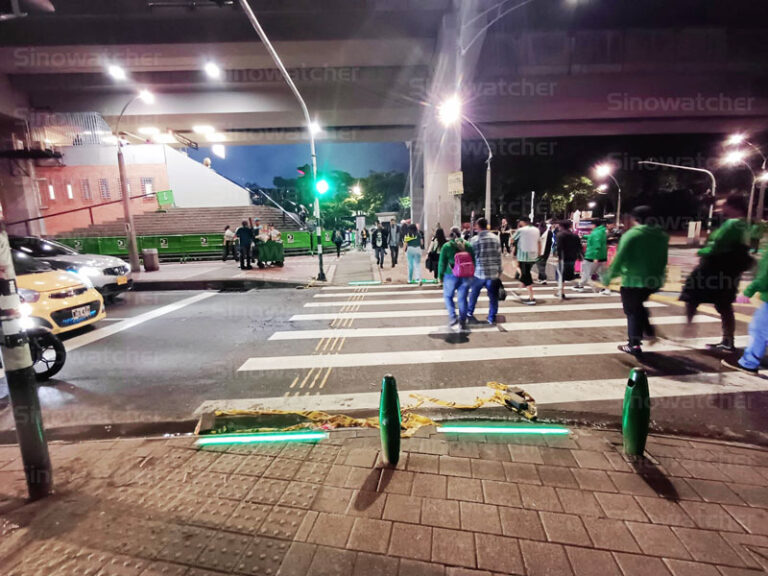
Pedestrian phases operate much like vehicle calls. When a pedestrian presses the push-button, it triggers a service request, and the controller schedules the pedestrian green once the current phase ends. If no request is made, the controller may skip the pedestrian phase to keep vehicle flow uninterrupted.
For public transport, many modern controllers support Transit Signal Priority (TSP)—a system that grants preferential treatment to buses or trams through sensors or communication modules (GPS, LoRa, infrared, etc.). Upon receiving a priority request, the controller can either shorten the red phase or extend the green to allow the transit vehicle to pass smoothly, improving punctuality and reducing delays.
A Real-World Example
Imagine a weekday morning intersection. The main road carries a steady stream of vehicles, while a car arrives on the side street and stops over the detector. The controller waits until the main road’s green has completed its minimum time. Once it detects a three-second gap with no vehicles on the main street, it switches to the side street. The side street remains green as long as new cars arrive within the allowed gap. When the flow stops or Gmax is reached, the system switches back. This process happens continuously—without human intervention, without wasted time.
Actuated logic transforms the traffic light from a static timer into an intelligent, reactive decision-maker. By interpreting presence, timing, and priority rules, it strikes a balance between efficiency and fairness—deciding every second whether to stay green or to switch.
In Chapter 4, we’ll move from theory to practice: exploring detector placement and configuration, and how proper sensor design shapes the responsiveness and safety of a modern intersection.