English
  Spanish
  French
  Russian
  Arabic
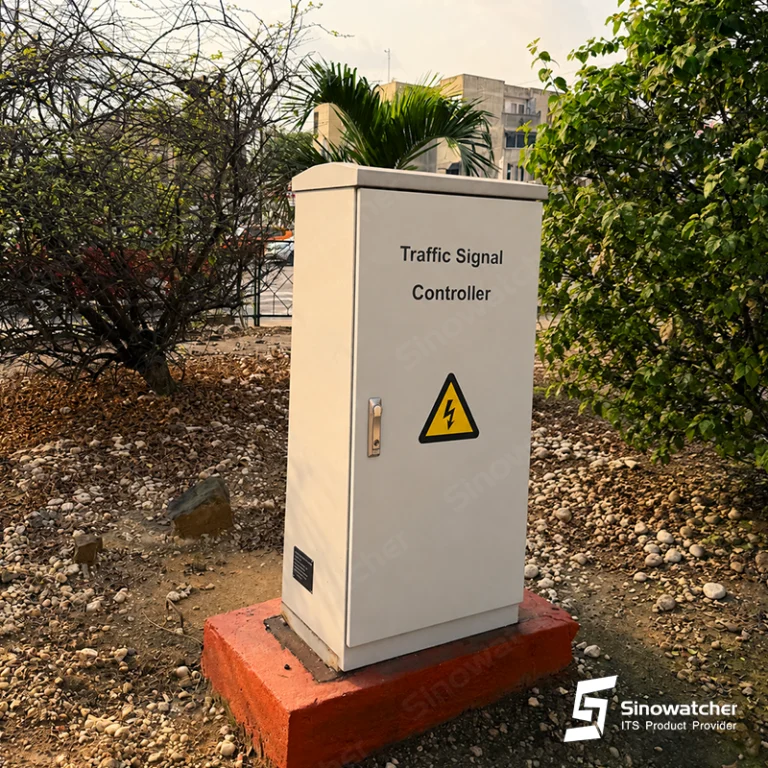
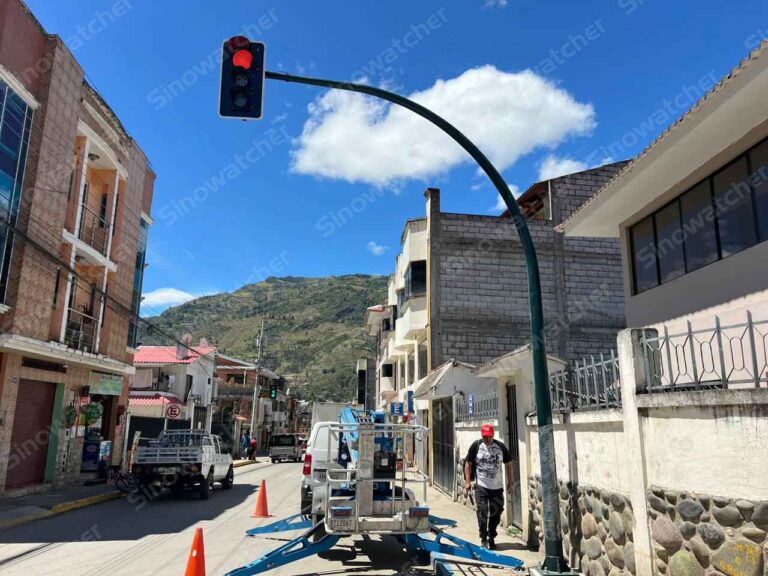
By now, we already understand that an actuated traffic signal behaves much like a responsive brain. Detectors serve as the system’s sensory organs, constantly monitoring the flow of vehicles in real time, while the controller processes this information and makes decisions every few seconds.
However, the system’s intelligence only comes to life when detectors are installed correctly and configured for the right purpose. A poorly positioned or misaligned detector can completely undermine efficiency, like giving a robot the wrong field of vision. In this chapter, we explore how engineers determine the optimal placement of sensors, the logic that governs their decisions, and the key design principles behind a smooth, adaptive intersection.

The Role of Detectors in Different Street Types
Each type of roadway plays a distinct role in an intersection, and detectors must be positioned accordingly.
On secondary or minor streets, which typically carry lighter traffic volumes, detectors are crucial because they inform the controller when a vehicle is waiting. These detectors are usually placed about one to two meters before the stop line. When a car is detected, a “call” is triggered, signaling the controller to allocate a green phase for that approach. If no detection occurs, the system intelligently skips that phase, avoiding unnecessary green time for empty roads. This not only increases operational efficiency but also improves flow for the major approaches.
On primary or major streets, the function of detectors extends beyond simple presence detection. Here, sensors are often installed 10 to 30 meters upstream from the stop line to monitor vehicle arrivals and flow. The data gathered allows the controller to determine whether to extend or terminate the current green phase based on ongoing demand. In essence, the major street remains green as long as traffic continues to arrive steadily, relinquishing the phase only when the flow diminishes.

Common Types of Detectors and Their Functions
Modern intersections utilize several types of detectors, each serving a specific purpose in the overall control logic. Stop-line detectors are placed immediately before the stop line to identify vehicles waiting for service.
Advanced detectors, positioned further upstream, measure the rate of arriving vehicles and guide the controller’s decision on extending the green phase.
Exit detectors, located beyond the intersection, verify that the queue has cleared before allowing cross traffic to proceed.
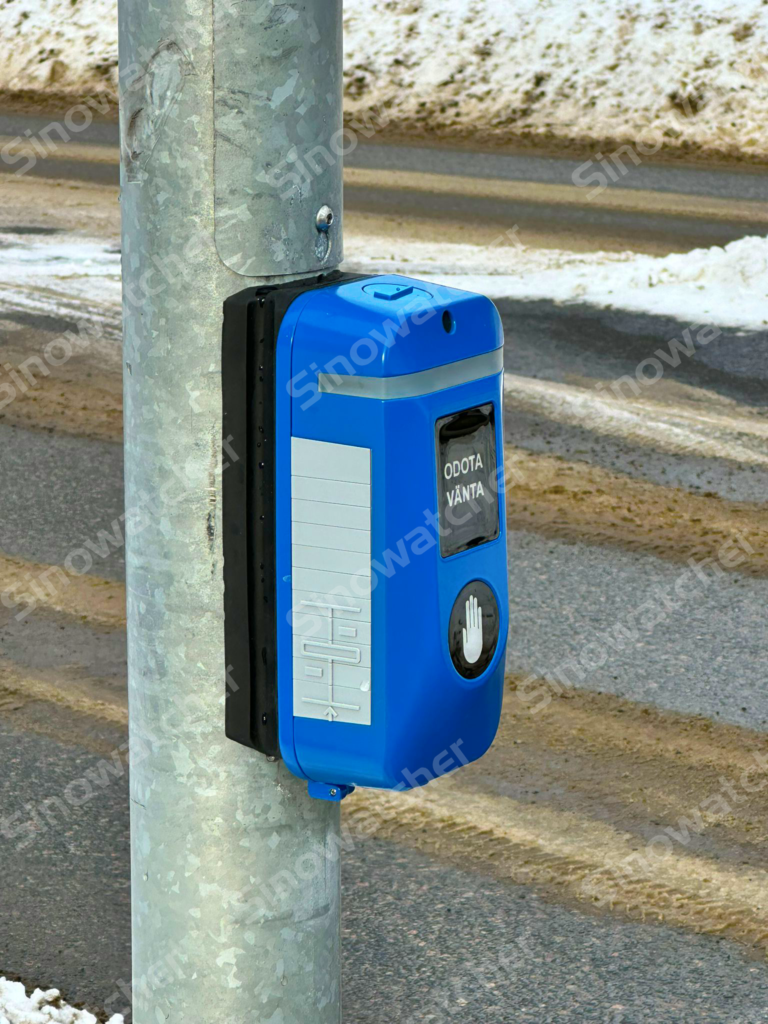
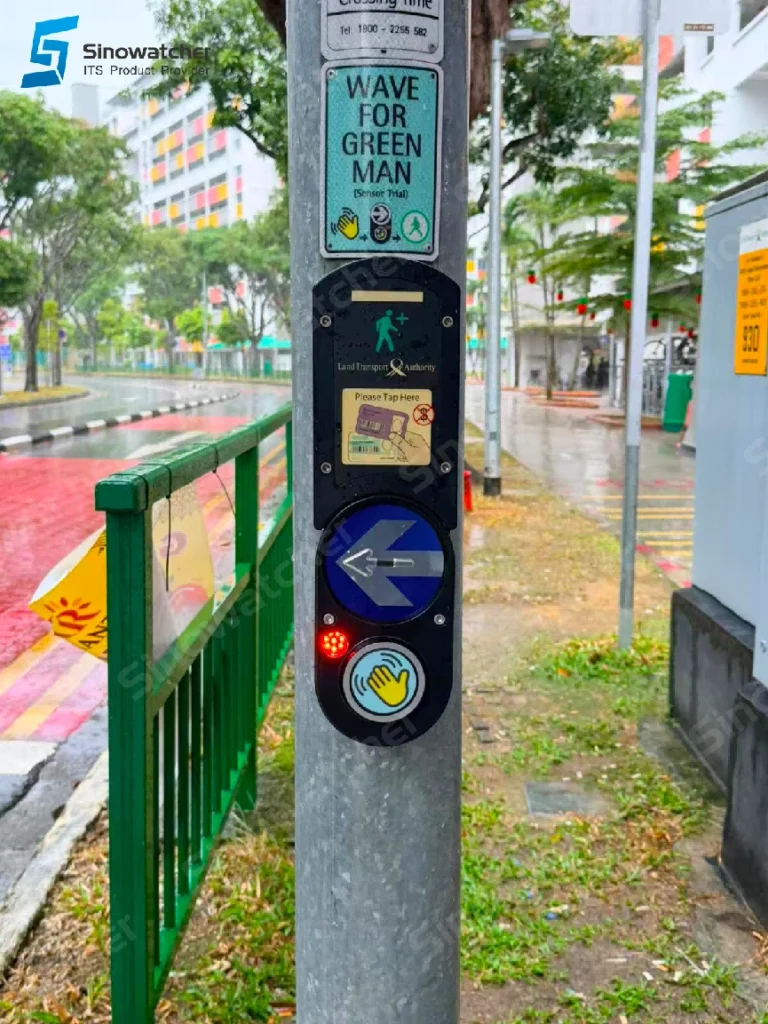
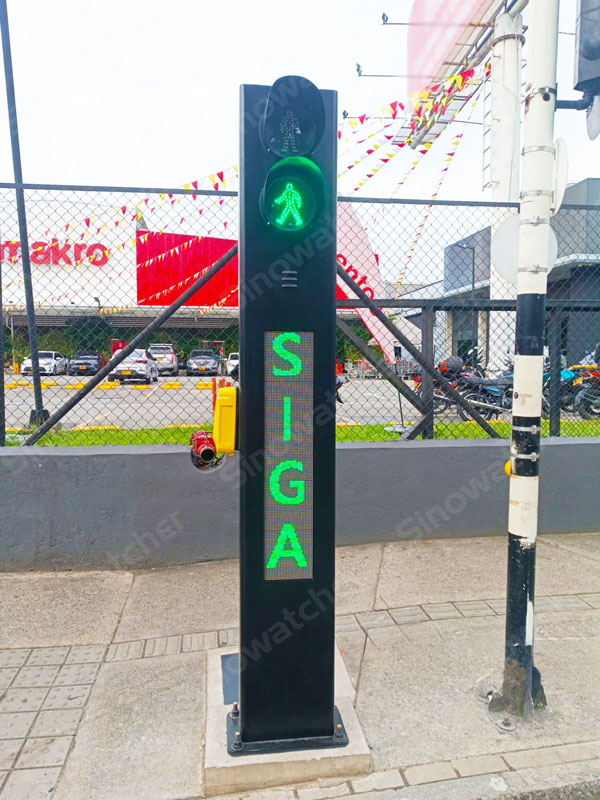
For non-vehicle users, pedestrian push buttons act as manual call devices, enabling safe crossing only when needed. Meanwhile, priority detectors -used for buses, trams, or emergency vehicles—are typically installed near intersections or along dedicated corridors. These sensors communicate directly with the controller to request early or extended green phases, improving transit punctuality and reducing delays.
By strategically combining these detector types, engineers can achieve highly flexible, adaptive control strategies that enhance both safety and efficiency.
Choosing the Right Detector Strategy for Different Conditions
The choice of detector configuration depends heavily on traffic volume, environment, and operational goals. In low-volume areas, engineers often adopt semi-actuated control, installing detectors only on side streets so that empty phases can be skipped entirely. For moderate to high traffic flow, a fully actuated system is recommended, with detectors installed on every approach to dynamically adjust the green time according to real-time demand.
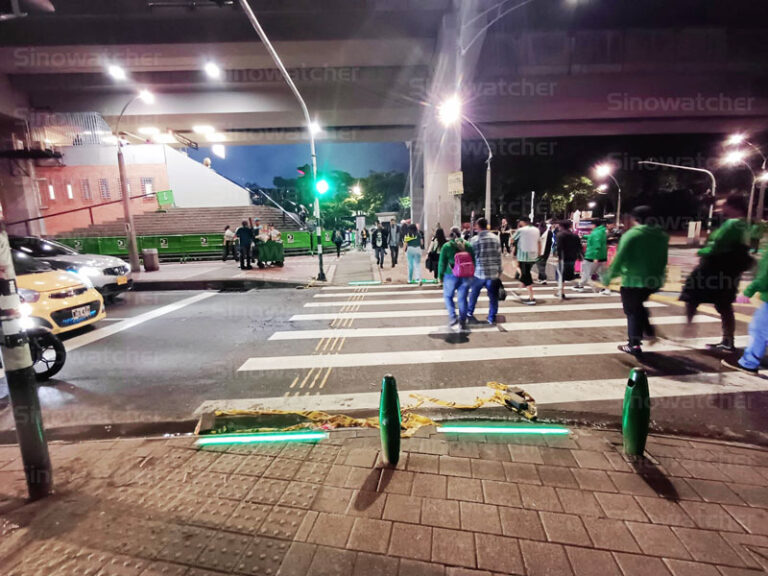
In public transport corridors, actuated control is often paired with priority detection to reduce delays for buses and trams. At pedestrian crossings, actuated or hybrid systems with push buttons ensure safe passage while preventing unnecessary interruptions to vehicle flow. Ultimately, the key lies in balance—too many detectors increase installation and maintenance costs, while too few can compromise the intelligence and responsiveness of the system.
Practical Design Guidelines for Detector Layout
When designing an actuated intersection, engineers follow several fundamental principles to ensure accuracy and reliability. Detector sensitivity must be finely tuned—sensitive enough to detect all types of vehicles, including motorcycles, yet stable enough to avoid false calls caused by adjacent large vehicles. Placement consistency is essential; maintaining uniform distances from the stop line helps guarantee that vehicles are detected before arrival, ensuring smooth operation.

Designers also prioritize maintenance accessibility, opting for configurations that allow quick servicing through accessible cabinet connections or, in some cases, wireless communication to reduce long-term costs. Environmental conditions play a critical role as well – radar or microwave sensors are preferred over inductive loops in areas prone to snow, dust, or heavy rain, where pavement-based detection may become unreliable. Finally, calibration and testing are indispensable steps; every detector must be verified with real vehicles to confirm that triggering and release timings correspond precisely to the system’s operational parameters. Proper calibration is just as vital as the hardware itself—it ensures that the controller’s decisions reflect actual road conditions.
Integrating Logic and Hardware
The intelligence of an actuated intersection depends on the seamless integration of controller logic and detector layout. If, for example, the controller is programmed to measure a three-second gap but detectors are placed too far apart, it may incorrectly interpret the absence of vehicles and terminate the green phase prematurely. Conversely, if detectors are too close, the controller may never detect a sufficient gap, preventing the phase from ending. Therefore, logical configuration and physical placement must work in perfect harmony. This synchronization is what transforms a basic traffic signal into a truly intelligent and adaptive system.
Conclusion
An actuated signal system is only as smart as the design of its detectors. Correctly positioned, properly calibrated sensors allow the controller to make balanced, real-time decisions that ensure fairness, efficiency, and safety for all road users – drivers, cyclists, and pedestrians alike. When thoughtfully designed, a smart intersection does more than control traffic; it listens to the flow of vehicles, interprets demand, and responds with precision. In the next chapter, we will explore how this intelligence evolves further through coordination between multiple intersections, creating entire networks that move with rhythm and harmony.