English
  Spanish
  French
  Russian
  Arabic
Every child should be able to reach school and return home safely. However, vehicles approaching too quickly can make school entrances and pedestrian crossings more difficult to navigate, especially during busy arrival and dismissal periods.
Effective pedestrian crossing safety begins before a vehicle reaches the crosswalk. Drivers need enough time to recognize the school zone, understand how fast they are travelling, and reduce their speed before encountering pedestrians.
Radar-based speed management, flashing warning beacons, scheduled operation and solar-powered equipment can help create a more visible and responsive school-zone environment.
Why Is Speed Management Essential in School Zones?
Vehicles travelling at excessive speed give drivers less time to notice pedestrians and respond safely.
A well-designed school zone should create a clear transition from the normal road environment into a reduced-speed area. Drivers should receive warnings before reaching the pedestrian crossing rather than being expected to slow down only when they arrive at the crosswalk.
Effective school-zone speed management can help:
- Increase driver awareness.
- Encourage earlier deceleration.
- Reduce sudden braking near pedestrians.
- Create more predictable vehicle movement.
- Clearly identify the beginning of the school zone.
- Support safer pedestrian crossing conditions.
How Does a Speed Limit Sign with Radar Improve Driver Awareness?
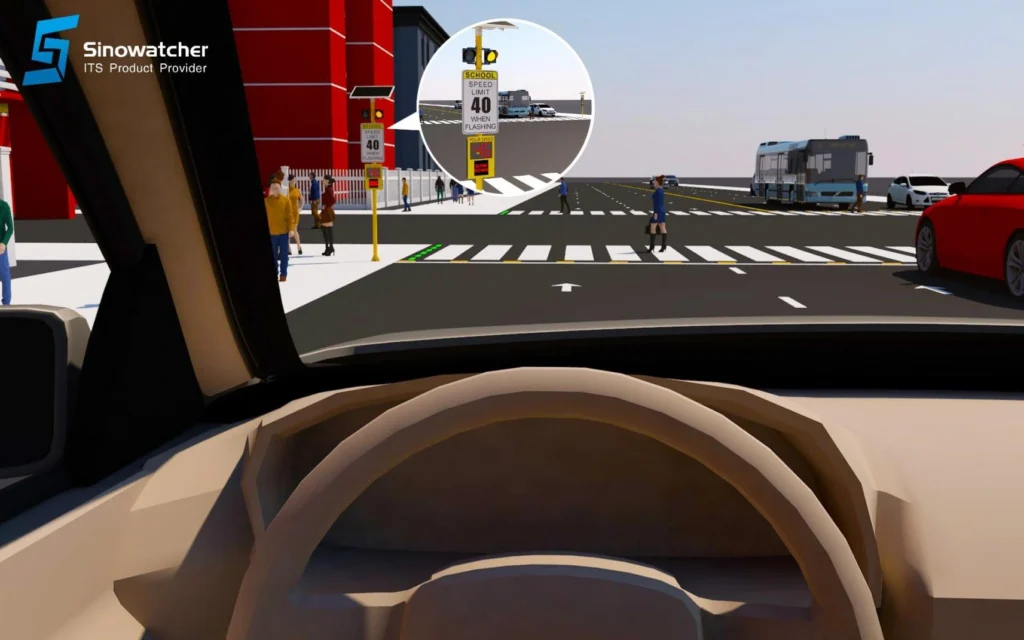
A speed limit sign with radar detects the speed of an approaching vehicle and provides immediate visual feedback.
Unlike a static speed limit sign, the radar display responds directly to each vehicle. Drivers can compare their actual speed with the permitted school-zone limit and adjust their behavior before reaching the crossing.
Depending on the project requirements, the sign may display:
- The vehicle’s real-time speed.
- A flashing speed value.
- A “SLOW DOWN” message.
- A smiling face when the driver follows the speed limit.
- A warning or unhappy face when the vehicle is travelling too fast.
- Custom symbols or road-safety messages.
Friendly visual feedback, such as a smiling face, can reinforce compliant driving. Warning faces, flashing numbers and short messages provide a stronger alert when the configured speed threshold is exceeded.
These display formats can be customized according to the local language, speed limit and road environment.
How Do Flashing Warning Beacons Strengthen the Message?
Flashing amber beacons increase the visibility of the school-zone sign and radar speed display.
They can be activated through:
- Radar-based overspeed detection.
- A programmed school schedule.
- A pedestrian crossing request.
- A central control system.
When an overspeeding vehicle is detected, the radar display and warning beacons can activate together.
The driver receives several connected signals:
- The reduced school-zone speed limit.
- The vehicle’s detected speed.
- A warning message, symbol, or facial expression.
- Flashing amber warning beacons.
This coordinated sequence creates a stronger and more understandable warning than a static sign operating alone.
How Can Scheduled Operation Improve School-Zone Safety?
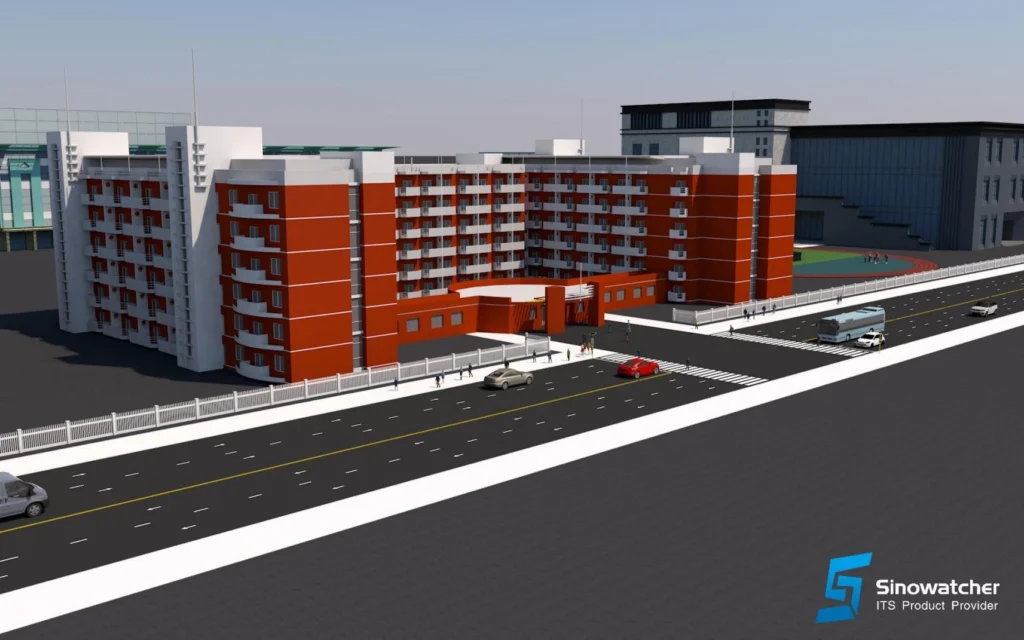
School-zone traffic usually follows predictable periods, particularly during morning arrival and afternoon dismissal.
The system can be programmed to activate selected warning devices according to a daily or weekly schedule.
Scheduled operation may control:
- Flashing school-zone beacons.
- Reduced-speed warning modes.
- Radar display behavior.
- Day and night brightness.
- Custom messages during school hours.
During peak periods, the equipment can operate in a higher-alert mode. Outside school hours, it can return to standby while remaining available for radar-based overspeed detection.
This helps keep the warning relevant and reduces unnecessary continuous flashing.
How Can the Speed Limit Sign with Radar Connect With Pedestrian Crossing Equipment?
A radar speed sign can form part of a wider pedestrian crossing safety system.
When an overspeeding vehicle approaches:
- The radar detects and measures the vehicle’s speed.
- The speed appears on the display.
- A warning message or facial expression activates.
- The flashing amber beacons begin operating.
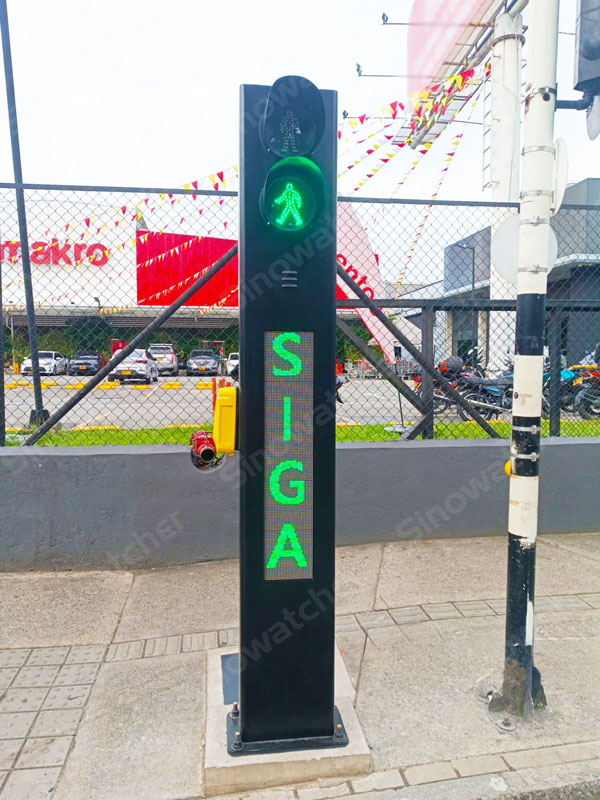
- A connected pedestrian crossing light can enter warning mode.
- The driver receives several alerts before reaching the crosswalk.
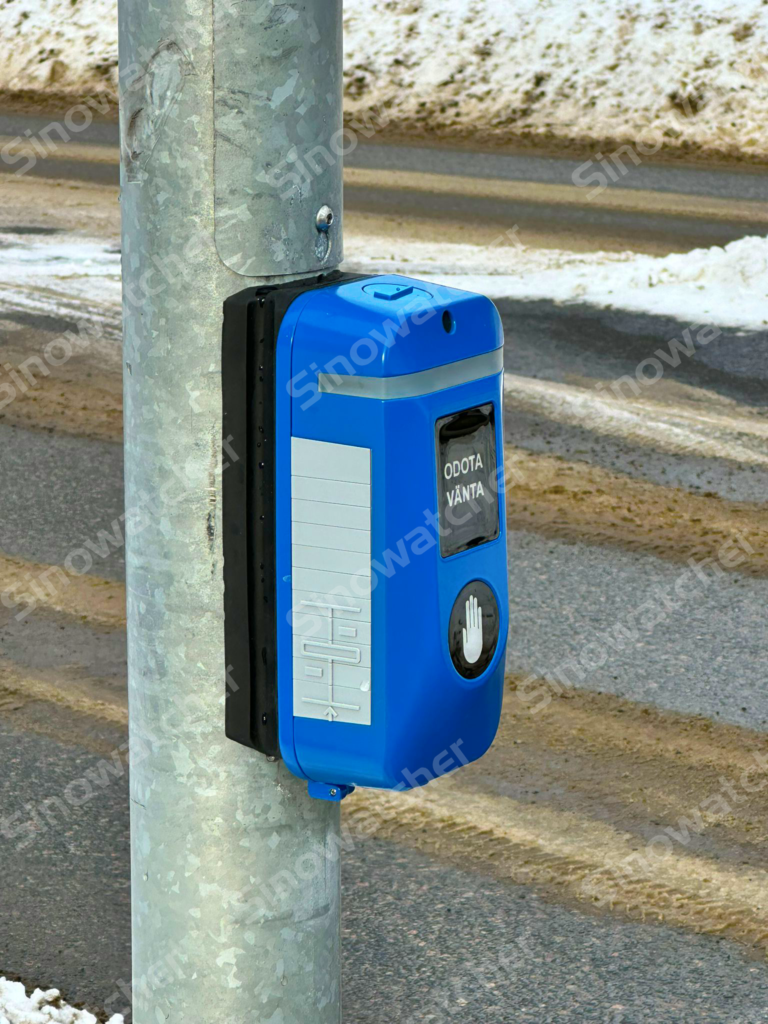
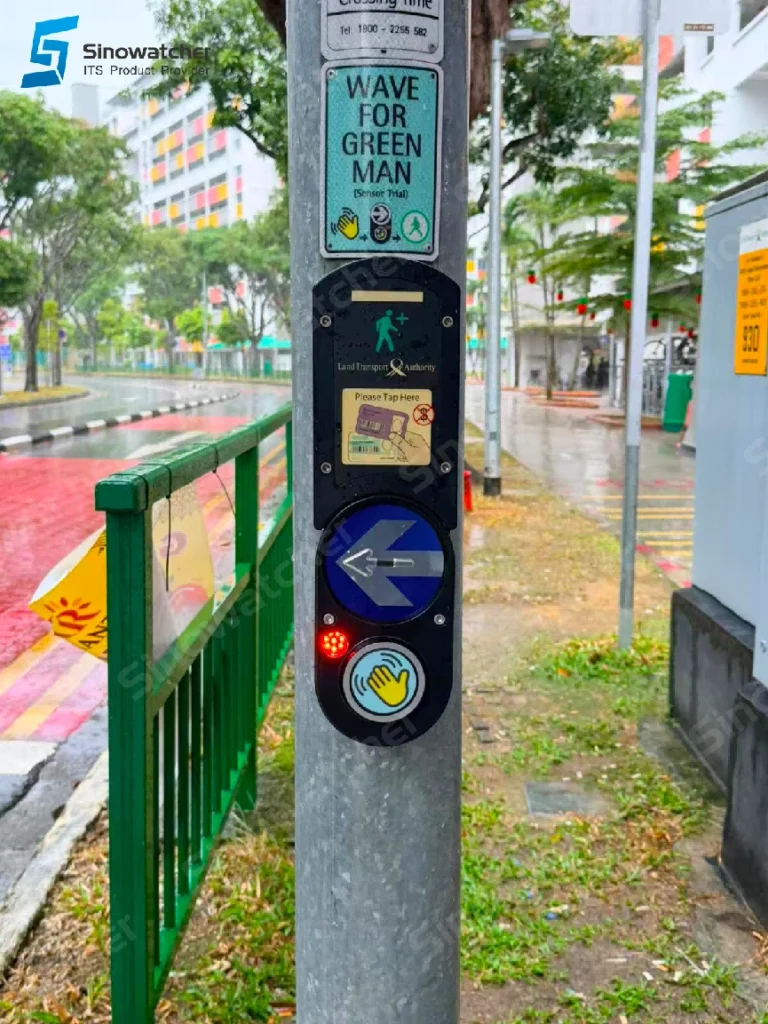
The system may also connect to a pedestrian push button. When a pedestrian requests to cross, the same warning beacons and road-level lights can activate to alert approaching drivers.
This integration connects vehicle-speed management with active pedestrian protection.
When Is Solar Power Suitable for Radar Speed Signs?
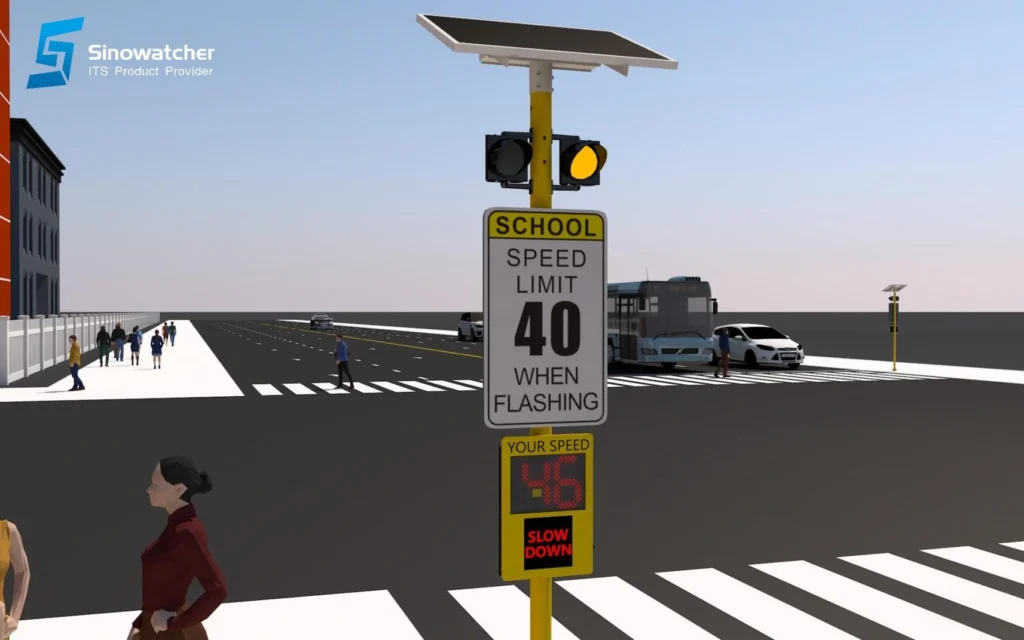
Some school zones do not have convenient access to grid power. In these locations, solar-powered equipment can simplify installation and reduce the need for extensive cabling.
Solar power may support:
- Radar speed feedback signs.
- Flashing warning beacons.
- Wireless communication equipment.
- Control units.
- Selected roadside warning devices.
The solar panel and battery should be selected according to:
- Equipment power consumption.
- Daily operating hours.
- Local sunlight conditions.
- Required battery autonomy.
- Seasonal weather conditions.
Solar-powered radar signs are particularly suitable for remote roads, retrofit projects and locations where underground power installation would be difficult.
What Are the Best Practices for Installing a Radar Speed Sign?
The final configuration should be based on the road layout, vehicle approach speed, visibility and local project requirements.
Important installation considerations include:
- Position the radar sign before the pedestrian crossing.
- Provide enough distance for driver reaction and deceleration.
- Keep the display clear and easy to understand.
- Avoid excessive text or complicated symbols.
- Adjust the brightness for day and night conditions.
- Configure an appropriate overspeed threshold.
- Coordinate the sign with beacons and crossing lights.
- Select weather-resistant outdoor equipment.
- Regularly inspect radar accuracy and LED visibility.
The objective is not simply to display speed. The complete system should help drivers recognize the school zone, understand the warning, and respond before reaching pedestrians.
Building a More Responsive School Zone
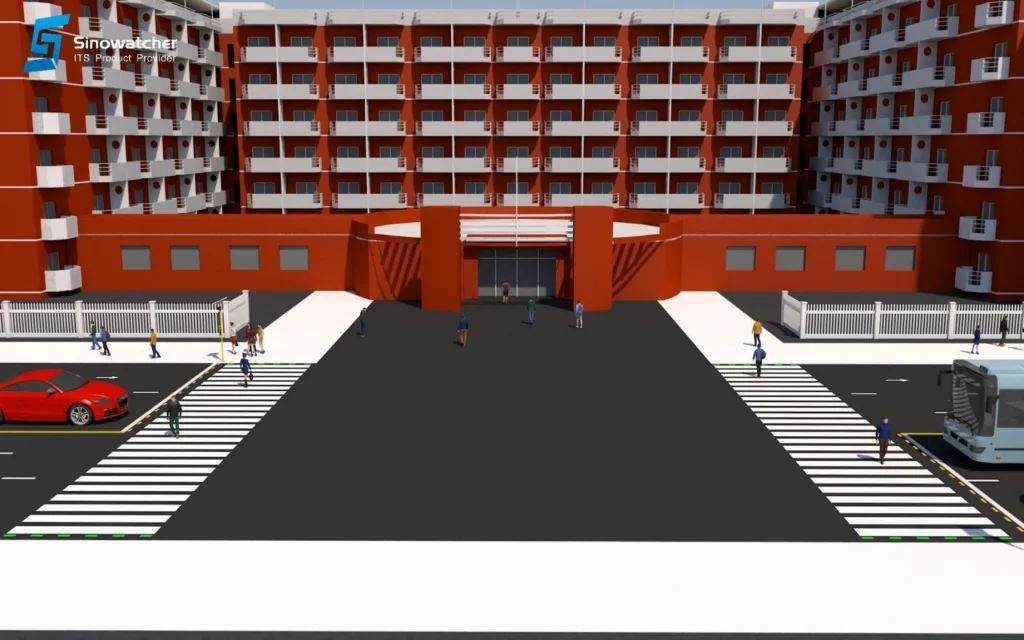
A speed limit sign with radar turns a static speed restriction into an active driver-feedback system.
Real-time speed displays, warning messages, symbols, and facial expressions can help drivers recognize unsafe speed more quickly. Flashing beacons reinforce the warning, scheduled operation adapts the system to school traffic patterns, and solar power offers installation flexibility.
Sinowatcher provides configurable radar speed feedback signs, flashing warning beacons, solar power systems, and control equipment for school-zone applications. Display formats can include numerical speed, text, symbols, and facial expressions according to project requirement
FAQ
What is a speed limit sign with radar?
A speed limit sign with radar detects the speed of an approaching vehicle and displays it to the driver in real time.
How does a radar speed sign support pedestrian crossing safety?
It encourages drivers to recognize and reduce unsafe speed before reaching the pedestrian crossing. It can also activate warning beacons and road-level lights.
What can a radar speed sign display?
It can display the vehicle’s speed, a “SLOW DOWN” message, flashing numbers, custom symbols or facial expressions such as smiling and warning faces.
Can the sign activate a pedestrian crossing light?
Yes. The radar sign can be connected to a controller that activates warning beacons and a pedestrian crossing light when overspeed is detected.
Can the system connect to a pedestrian push button?
Yes. A pedestrian push button can activate the same warning beacons and crossing lights when a pedestrian requests to cross.
Can radar speed signs operate only during school hours?
Yes. Scheduled operation can activate selected warning modes during school arrival and dismissal periods.
Can a radar speed sign use solar power?
Yes. Solar-powered configurations are suitable for locations where grid power is unavailable or difficult to install.