English
 Spanish
 French
 Russian
 Arabic

Why might an intersection need a separate bicycle signal?
An intersection may need a separate bicycle signal when bicycle volumes are high, cyclists have dedicated space, or their route through the junction differs from the route used by motor vehicles and pedestrians. A separate indication tells cyclists whether to wait or proceed along their assigned path. It also helps make clear which signal applies to each road user.
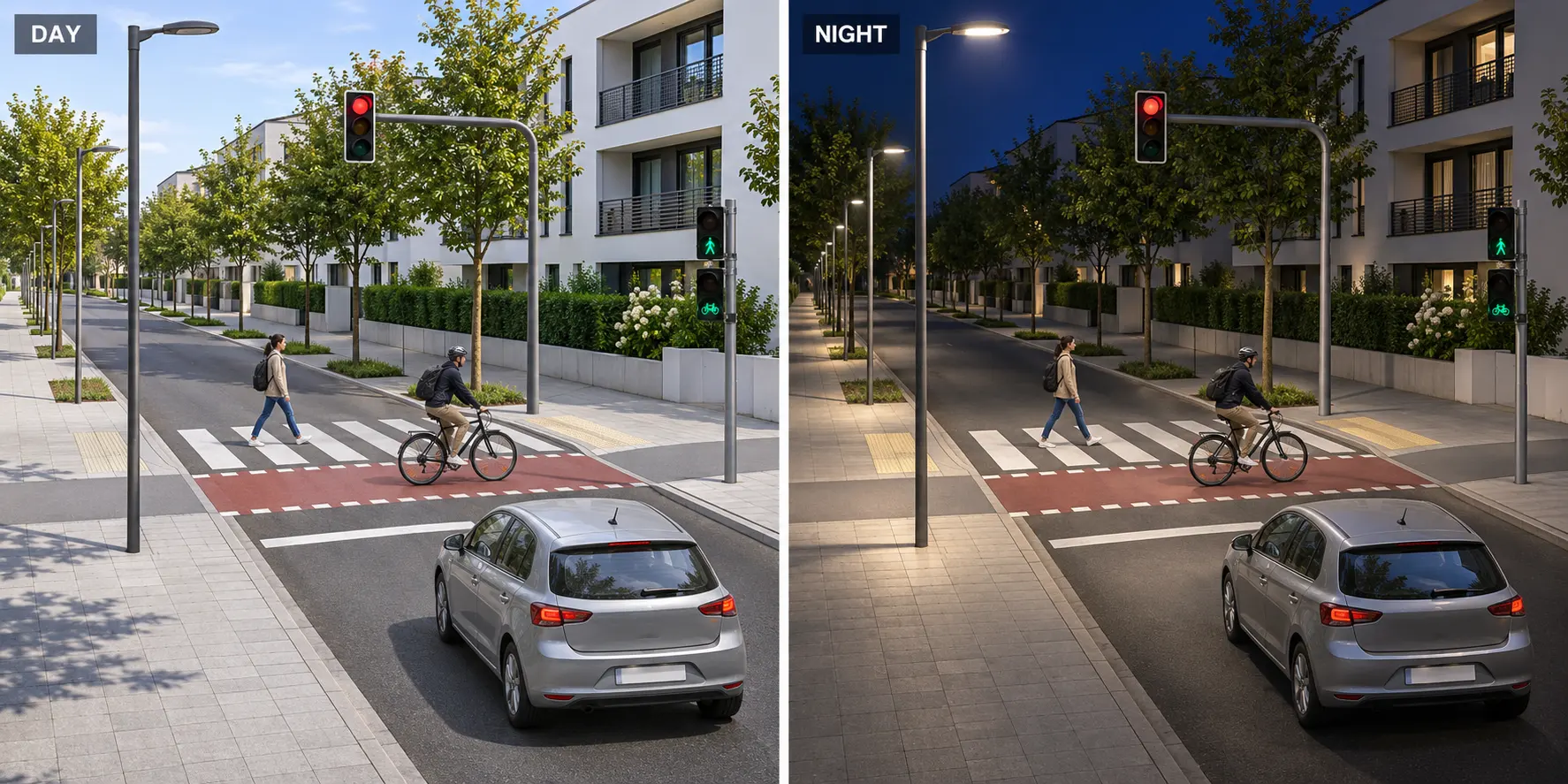
Consider a junction with a protected cycle lane. Cyclists may cross the intersection on a path that does not follow the motor vehicle lanes. If everyone is expected to interpret the vehicle signal, cyclists may not know whether it governs their movement. A bicycle traffic signal can provide a dedicated instruction, while the layout and timing determine when that instruction is displayed.
The need for a separate signal should be assessed against intersection geometry, cycle-lane position, turning movements, traffic volumes, and local rules. The signal face, symbol, mounting position, and control sequence must all suit the project.
How is a bicycle signal different from a vehicle signal?
A vehicle signal is positioned and sized for drivers approaching in motor lanes, taking account of their viewing angle, stopping position, and expected viewing distance. A bicycle signal serves cyclists, whose approach path and eye position may be different. Its placement should make the indication visible from the cycle lane before a rider reaches a conflict point.
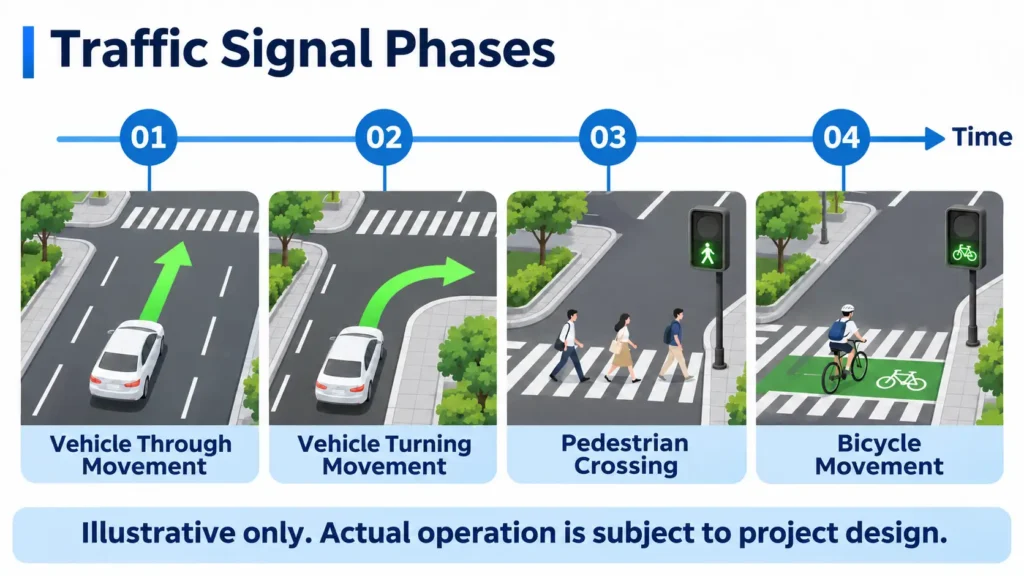
Where a dedicated bicycle traffic signal is provided, cyclists should follow the signal assigned to their route and comply with local traffic rules. A green vehicle signal does not automatically mean that a cyclist can safely proceed. At a junction where turning vehicles cross a cycle route, the two movements may need separate signal stages.
Designers should identify the lane, direction, and road user governed by every signal group. Clear assignment helps prevent misinterpretation and lets drivers and cyclists anticipate one another.
How does a pedestrian signal coordinate with turning traffic?
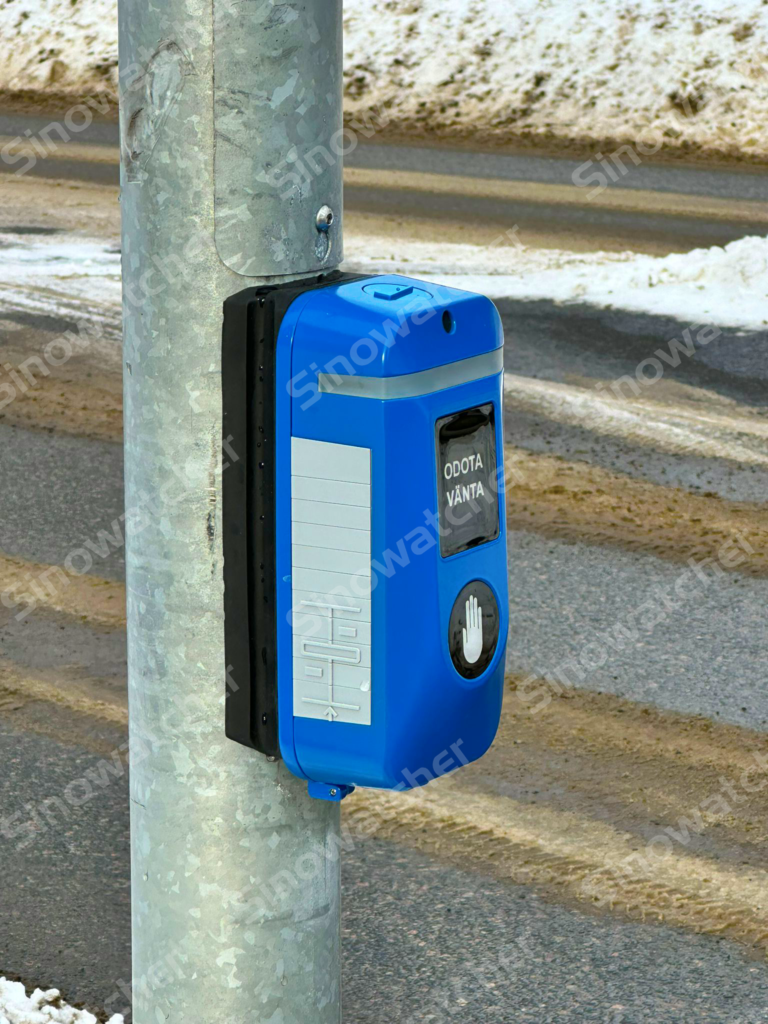
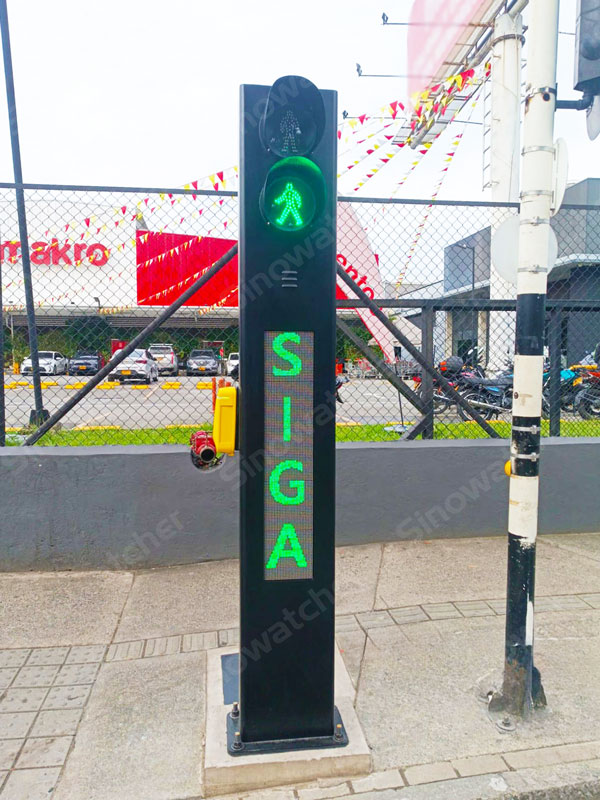
A pedestrian signal tells people when to begin crossing and when to wait. Its timing must be coordinated with vehicle movements, especially where turning vehicles cross a marked crosswalk. Signal staging can prevent conflicting movements from receiving permission at the same time, but the right arrangement depends on the site.
Engineers consider intersection layout, crossing distance, pedestrian demand, vehicle volumes, and applicable standards when choosing stages and clearance times. Some locations may use a separate pedestrian phase; others may coordinate pedestrians with selected vehicle movements.
Visibility and placement matter alongside timing. People should be able to see the indication from the waiting area and understand which crossing it controls. Wide crossings, refuge islands, and staged crossings may require signals at more than one point. The pedestrian signal and the physical crossing arrangement should communicate the same route and sequence.
Can pedestrians and cyclists move in the same signal stage?
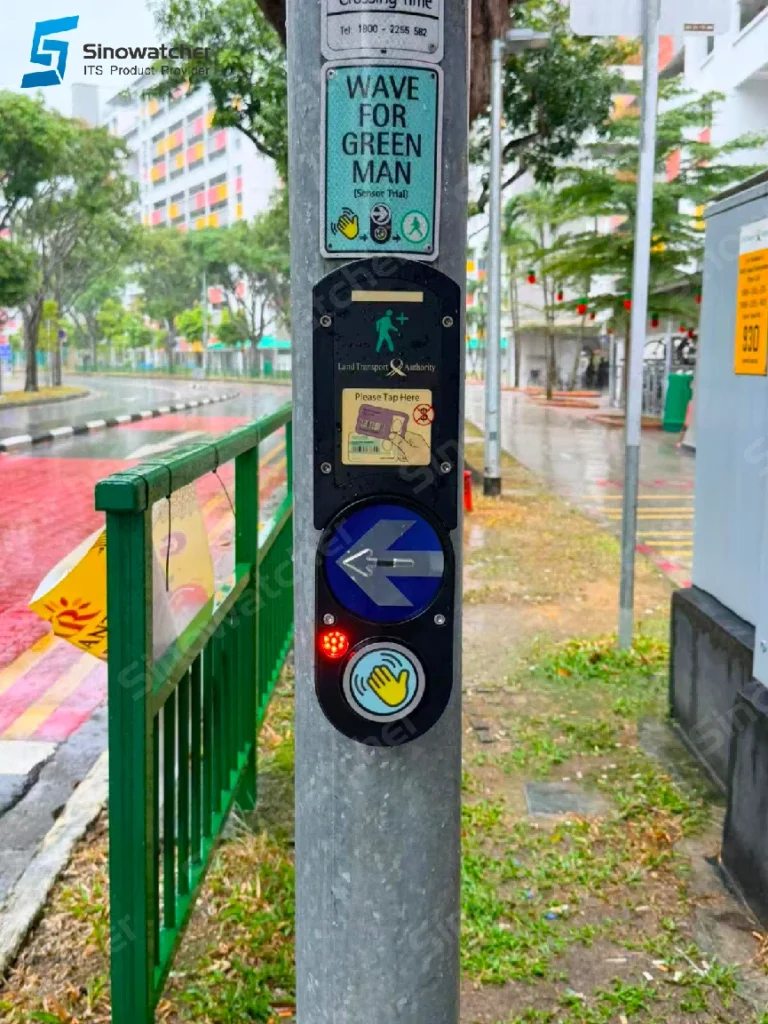
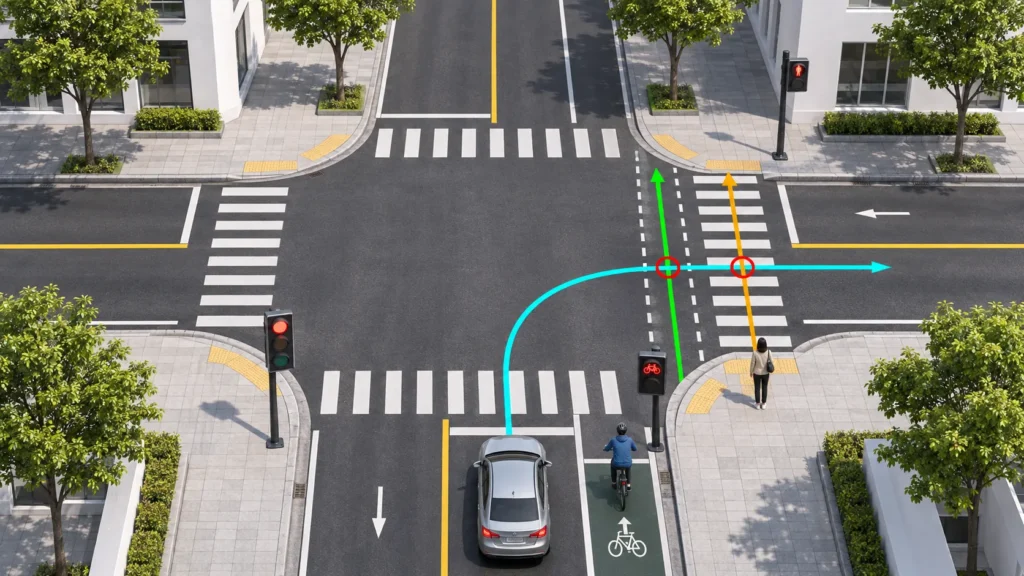
Sometimes pedestrians and cyclists can receive permission during the same stage, but the decision should reflect the space and paths they actually use. If they share a crossing area, designers need to consider differences in speed, demand, available width, and the likelihood of conflict between users.
If cyclists travel along the road while pedestrians cross on a crosswalk, simultaneous permission still requires a route check. Their paths may intersect, and turning vehicles may introduce another conflict. Any staging should follow project engineering assessment.
The signal face must also be unmistakably directed at its intended users. A bicycle indication should be visible to cyclists in the correct lane, while a pedestrian signal should face the waiting and crossing direction. Coordinating equipment placement with signal logic helps avoid a situation where the timing is correct, but people look at the wrong signal.
How do different signal groups connect to a controller?
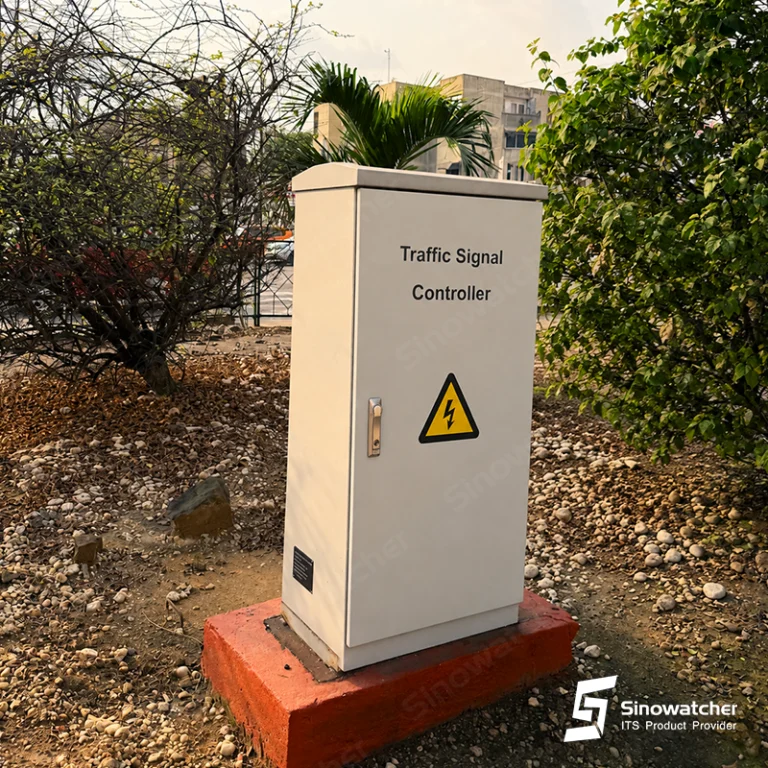
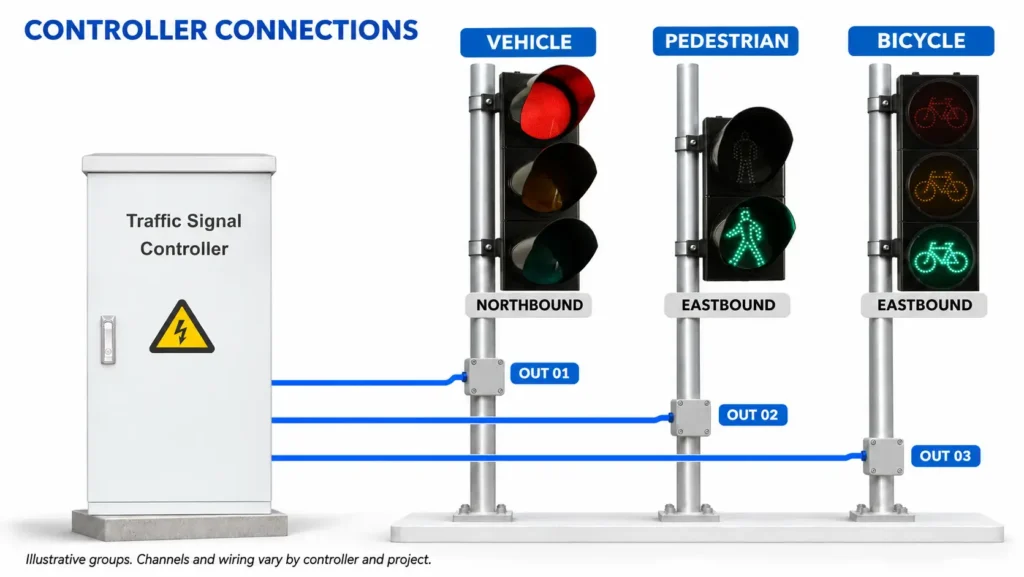
An intersection controller runs a configured plan that determines which signal groups turn on, in what order, and for how long. Vehicle signals, pedestrian signals, and bicycle signals may use separate controller outputs or channels. The plan then assigns green, yellow, red, or other locally specified indications to the movements that need them.
Before integration, confirm the electrical ratings, wiring method, output type, and interface requirements for the signal equipment and controller. Check that the controller supports the required stages, pedestrian request inputs, and any bicycle-specific logic in the project design. A lamp module alone does not determine what control functions the complete intersection can perform.
Commissioning should verify that every signal group faces the correct direction and corresponds to the intended movement. Check that displayed colors and stage transitions match the approved plan, then observe the site from the perspective of drivers, cyclists, and pedestrians.
What should buyers check when selecting traffic signal modules?
Start with the project use case and specification, then compare the relevant product details. Typical checks include signal-face dimensions, color, optical performance, operating voltage, power consumption, ingress protection, operating temperature, mounting method, and compatibility with the controller output. Requirements can differ between vehicle, pedestrian, and bicycle indications.
For exposed locations, confirm that the product is suitable for the expected sunlight, rain, temperature, and other site conditions. Viewing distance, approach angle, mounting height, and possible obstructions affect what users see in practice. A strong result on one specification does not by itself establish that a module is right for the whole intersection.
Also confirm the standards and approvals required by the project, and compare them with the product documentation and applicable local rules. The appearance, symbol, and placement of a traffic signal module may be specific to the road user it serves. Avoid assuming that one module type can serve every movement or jurisdiction.
How can signal visibility be maintained in different conditions?
Visibility depends on both the equipment and the site. In daylight, direct sun and bright backgrounds can reduce contrast between a signal and its surroundings. At night, the indication must remain clear without creating excessive glare. Buildings, trees, poles, and large vehicles can also block a driver’s or cyclist’s view.
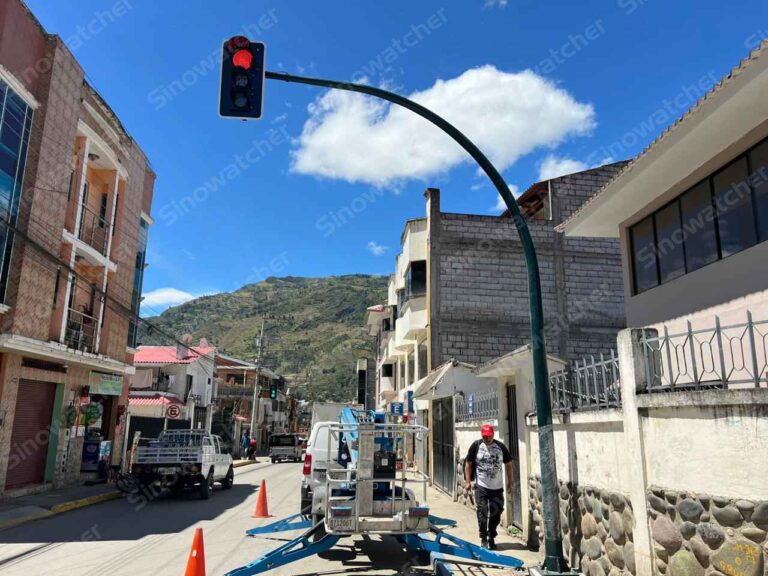
Review sight lines from each approach used by drivers, cyclists, and pedestrians. Their positions differ, so the suitable mounting height, orientation, and location may also differ. A complex junction may need a repeated signal head or a revised mounting point, based on a site survey and local rules.
For projects requiring European-standard products, verify the applicable product certification and optical documentation. Depending on the specification, this may include luminous intensity, intensity distribution, and phantom-light performance. Since supply voltages vary between countries and projects, check that the selected operating voltage matches the available power.
How does Sinowatcher support intersection signal configurations?
Sinowatcher can supply vehicle, pedestrian, and bicycle signal lights, allowing project teams to specify equipment for different road users. The company’s signal lights have European-standard certifications; the relevant product documents can be checked for luminous intensity, intensity distribution, and phantom-light performance against project requirements. Multiple supply-voltage options are also available for different power conditions.
Product selection should still be tied to the specific project. Buyers should confirm the model, certification scope, operating voltage, controller interface, and mounting arrangement against the applicable product documentation and project specification. This makes the product connection practical while keeping the intersection design and local requirements in view.
Conclusion: Coordinating signals around real intersection needs
Vehicle, pedestrian, and bicycle signals serve different road users. They work together effectively only when signal stages, travel paths, controller interfaces, and field visibility are aligned.
For procurement and integration, selection should consider the system as a whole. Confirm that each traffic signal module matches the controller, that pedestrian signal and bicycle traffic signals are positioned for their intended users, and that the operating sequence reflects the intersection design. Design review and on-site commissioning help verify that every user can tell when to wait and when to proceed.