English
  Spanish
  French
  Russian
  Arabic
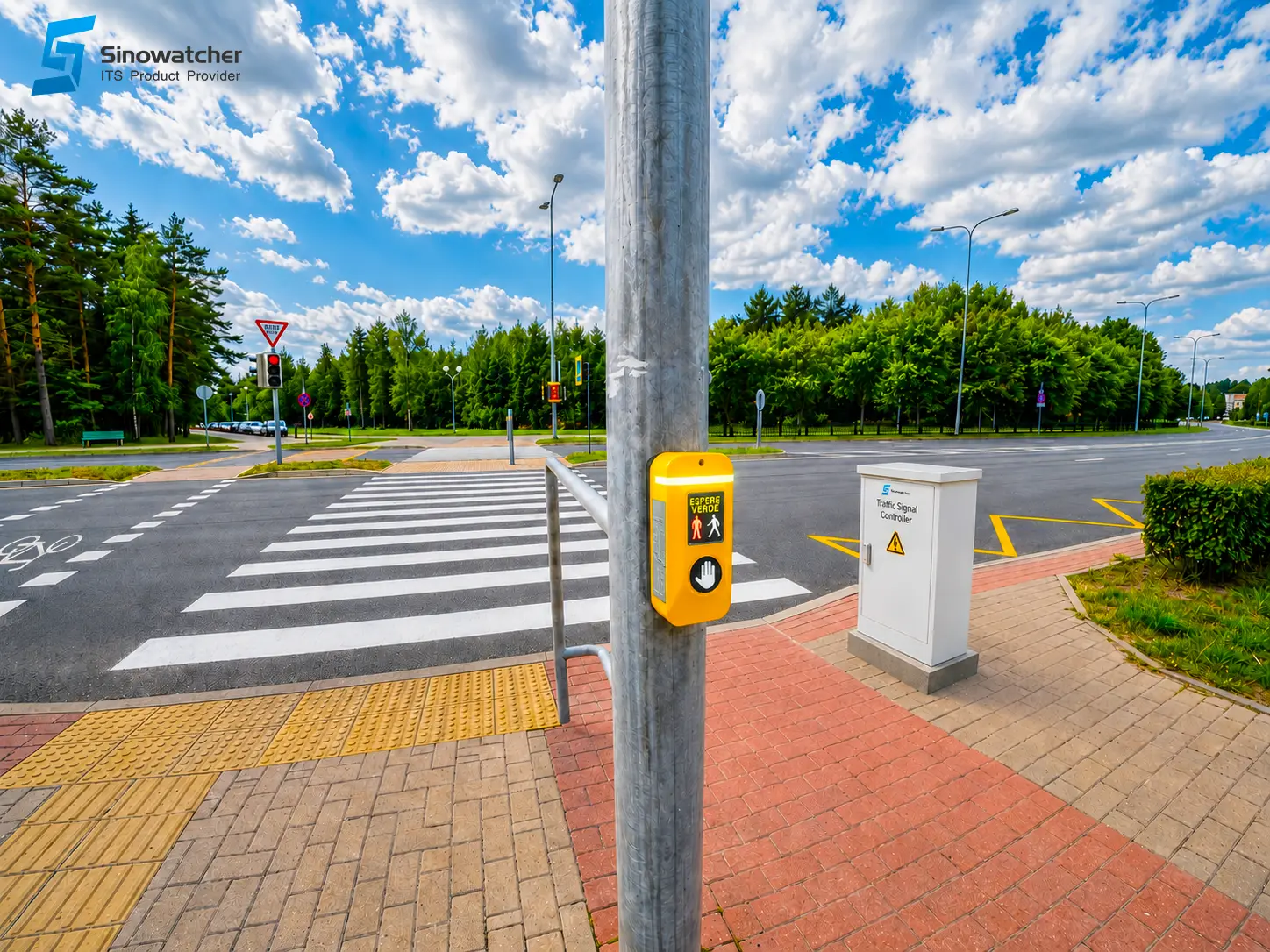
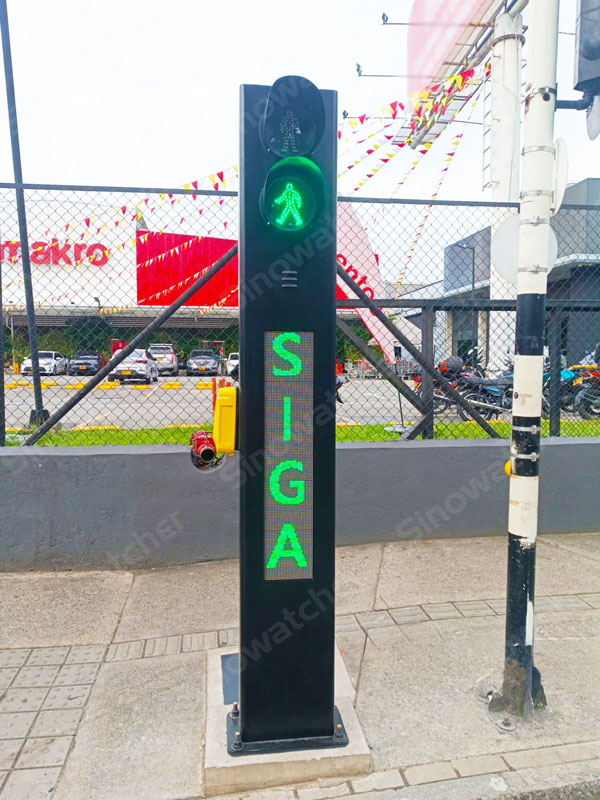
Pedestrian safety has become one of the most critical priorities in modern urban transportation planning. As cities continue investing in Intelligent Transportation Systems (ITS), intersections are expected to operate with higher levels of responsiveness, reliability, and environmental adaptability.
Traditional pedestrian crossing systems based only on fixed timing plans or manual push buttons can no longer fully satisfy the operational demands of today’s traffic environments. Modern intersections must handle increasingly complex traffic conditions, vulnerable road users, and changing pedestrian behavior while maintaining efficient vehicle flow and traffic safety.
For this reason, radar pedestrian detection technology is becoming increasingly important in next-generation smart crossing infrastructure.
Unlike conventional optical detection systems, radar sensing allows intersections to detect pedestrian presence and movement under complex outdoor conditions, helping traffic systems make more intelligent real-time decisions.
As intelligent intersections evolve, pedestrian crossings are no longer simply passive traffic devices, they are becoming active sensing components within connected urban infrastructure.
Why Intelligent Pedestrian Detection Is Becoming Essential
At first glance, pedestrian detection may appear relatively straightforward. However, real-world traffic environments introduce a wide range of technical challenges that make reliable outdoor detection significantly more complicated.
Unlike controlled indoor environments, urban intersections are highly dynamic spaces influenced by:
- Vehicle movement
- Environmental interference
- Weather conditions
- Lighting variability
- Pedestrian unpredictability
- Multi-directional motion
Pedestrians themselves are also difficult detection targets because human movement behavior is highly inconsistent.
For example:
- Some pedestrians stand still before crossing
- Others suddenly enter the roadway
- Cyclists may move between pedestrian and vehicle lanes
- Groups of pedestrians may partially block one another
- Children and elderly pedestrians move at different speeds
For intelligent transportation systems, detecting the presence of a pedestrian is only part of the challenge. The more important task is understanding crossing intent while reducing unnecessary or false activation events.
This is where intelligent pedestrian detection technologies become critical.
Challenges of Radar Pedestrian Detection in Outdoor Traffic Environments
Modern traffic intersections are exposed to continuously changing environmental conditions. Reliable pedestrian sensing systems must therefore operate consistently across all seasons, traffic volumes, and weather scenarios.
Environmental Noise and False Triggering
One of the most common technical challenges in radar pedestrian detection is environmental interference.
Outdoor radar systems must distinguish pedestrians from:
- Passing vehicles
- Rain movement
- Tree branches
- Metal reflections
- Roadside infrastructure
- Adjacent lane activity
Without proper filtering algorithms, radar sensors may generate false triggering events that reduce traffic efficiency and create unstable signal operation.
For example, moving vehicles near the detection zone can create signal reflections that resemble pedestrian motion. Similarly, roadside objects such as traffic poles, barriers, or guardrails may affect radar signal behavior under certain installation conditions.
Reducing false triggering is therefore one of the most important requirements in intelligent pedestrian crossing systems.
Pedestrian Occlusion at Intersections
Another major challenge is pedestrian occlusion.
At busy urban intersections, pedestrians are frequently blocked by:
- Large vehicles
- Crowded sidewalks
- Bus shelters
- Street furniture
- Other pedestrians
Video-based pedestrian detection systems may struggle when a pedestrian is partially hidden from the camera view.
Radar sensing provides advantages in these scenarios because microwave signals are less dependent on visible image recognition. While no sensing technology is completely immune to occlusion, radar systems can often maintain more stable detection performance under partially obstructed conditions.
This makes microwave radar sensing technology particularly valuable for high-density urban traffic environments.
Weather and Lighting Conditions
Outdoor traffic infrastructure must operate continuously during:
- Heavy rain
- Fog
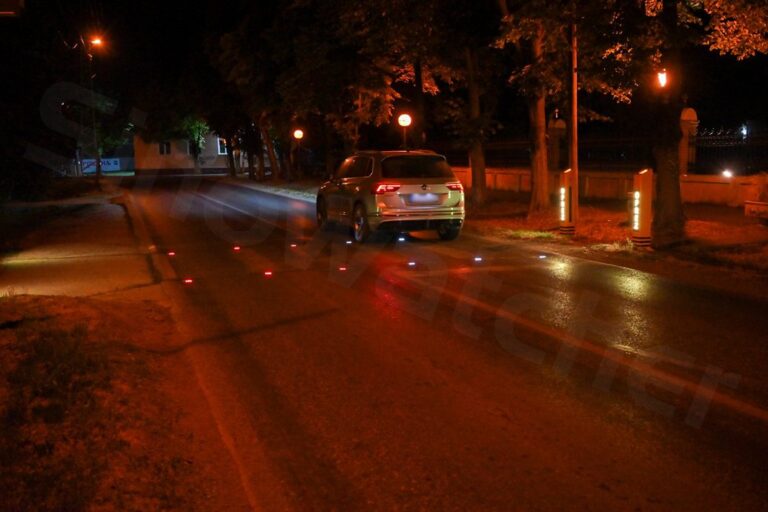
- Nighttime conditions
- Direct sunlight
- Headlight glare
- Dust and pollution
Camera-based pedestrian detection systems often rely heavily on image clarity and stable lighting conditions. As visibility decreases, detection reliability may also decline.
Radar systems operate differently because they rely on radio wave reflection rather than visual image analysis. As a result, radar pedestrian detection is generally more resistant to:
- Low visibility
- Lighting fluctuation
- Darkness
- Glare interference
This all-weather capability is one of the key reasons radar sensing is increasingly adopted in modern ITS infrastructure projects.
How Radar Sensing Improves Detection Stability
A modern microwave radar sensor does more than simply detect movement. Advanced radar traffic systems continuously analyze:
- Object speed
- Direction
- Distance
- Motion patterns
- Detection duration
This allows intelligent pedestrian detection systems to better distinguish pedestrians from surrounding environmental activity.
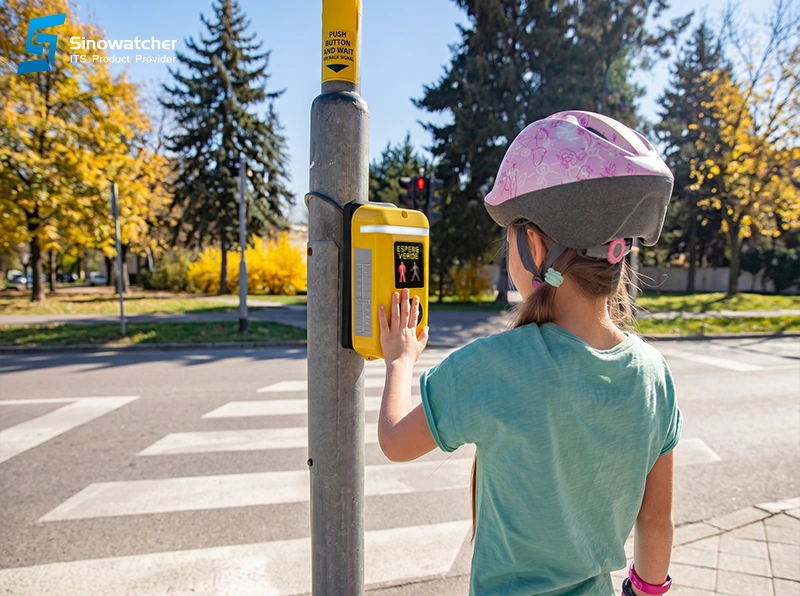
Motion Pattern Recognition
Human movement patterns differ significantly from vehicle movement or environmental interference.
For example:
- Pedestrians accelerate slowly
- Crossing movement follows predictable directional behavior
- Waiting pedestrians often remain within designated detection areas
By analyzing movement behavior rather than simple motion presence, radar systems can improve detection stability while reducing unnecessary activation.
Dynamic Detection Zones
Traditional detection technologies often rely on fixed detection areas with limited adaptability.
Modern radar sensing systems can support more flexible detection configuration, including:
- Directional filtering
- Multi-zone detection
- Adjustable sensitivity
- Dynamic trigger thresholds
This is particularly important at large intersections where pedestrian behavior varies significantly depending on traffic conditions and intersection geometry.
Reduced Maintenance Complexity
Traffic infrastructure operators also face long-term maintenance challenges.
Compared with optical systems, radar sensors are generally less affected by:
- Lens contamination
- Dust accumulation
- Water droplets
- Condensation
- Camera alignment drift
This can improve long-term operational reliability while reducing field maintenance requirements for municipalities and ITS contractors.
Smart Pedestrian Crossings Are Evolving Beyond Traditional Push Buttons
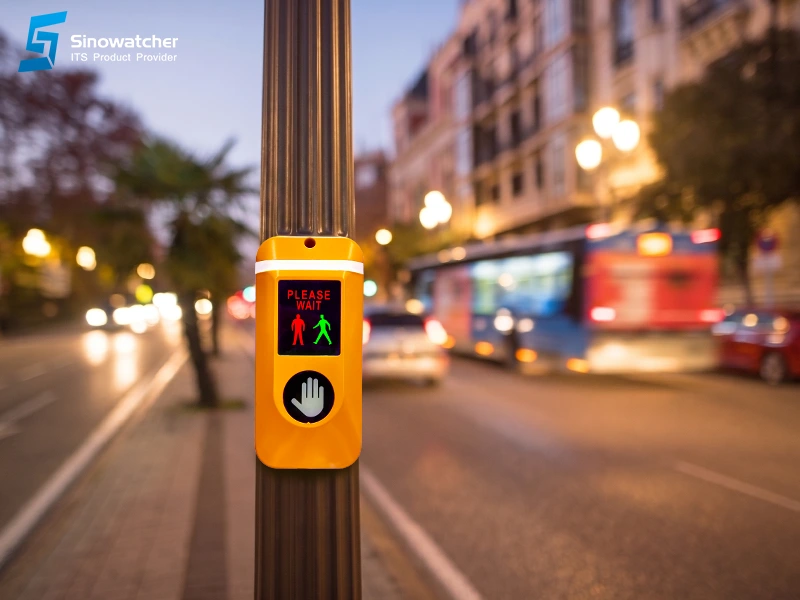
As cities continue modernizing transportation infrastructure, pedestrian crossings are evolving from simple request-based devices into intelligent traffic sensing systems.
Modern smart pedestrian crossing systems are increasingly expected to:
- Respond dynamically to pedestrian demand
- Improve vulnerable road user protection
- Reduce unsafe crossing behavior
- Support accessible mobility
- Integrate with adaptive traffic control systems
Reliable pedestrian sensing is becoming a foundational component of this transformation.
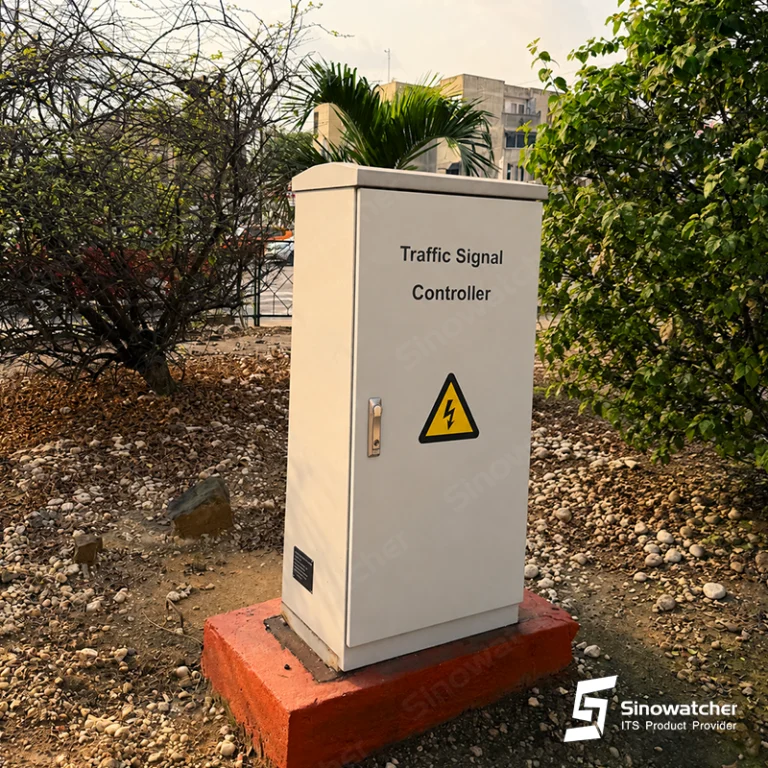
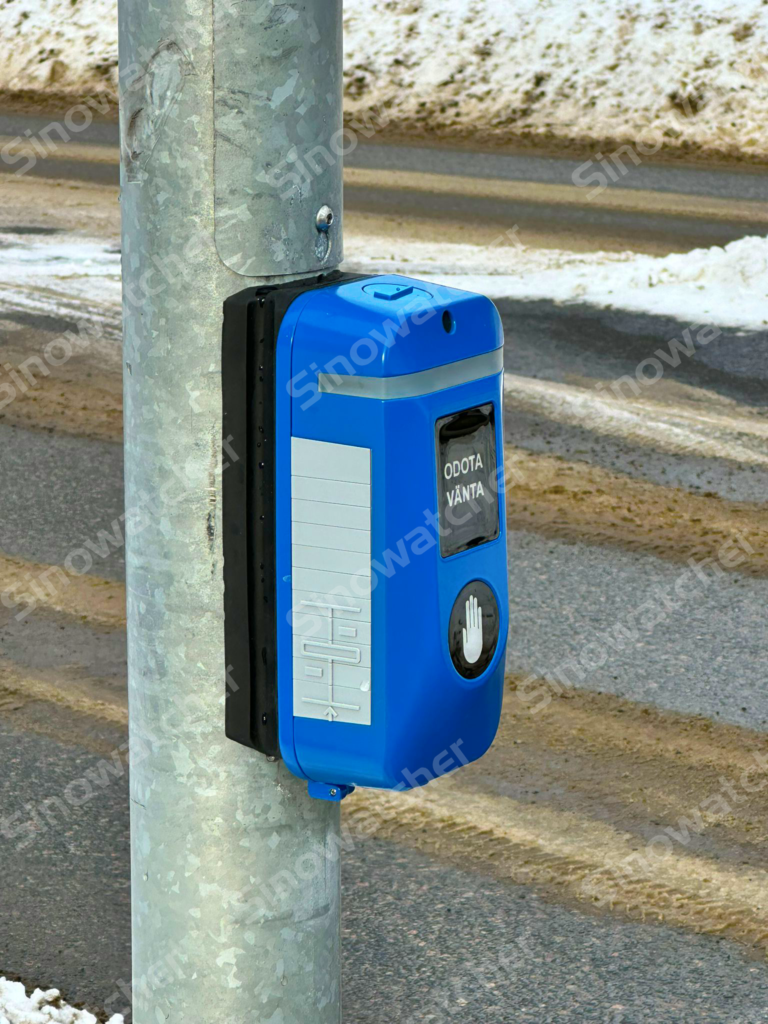
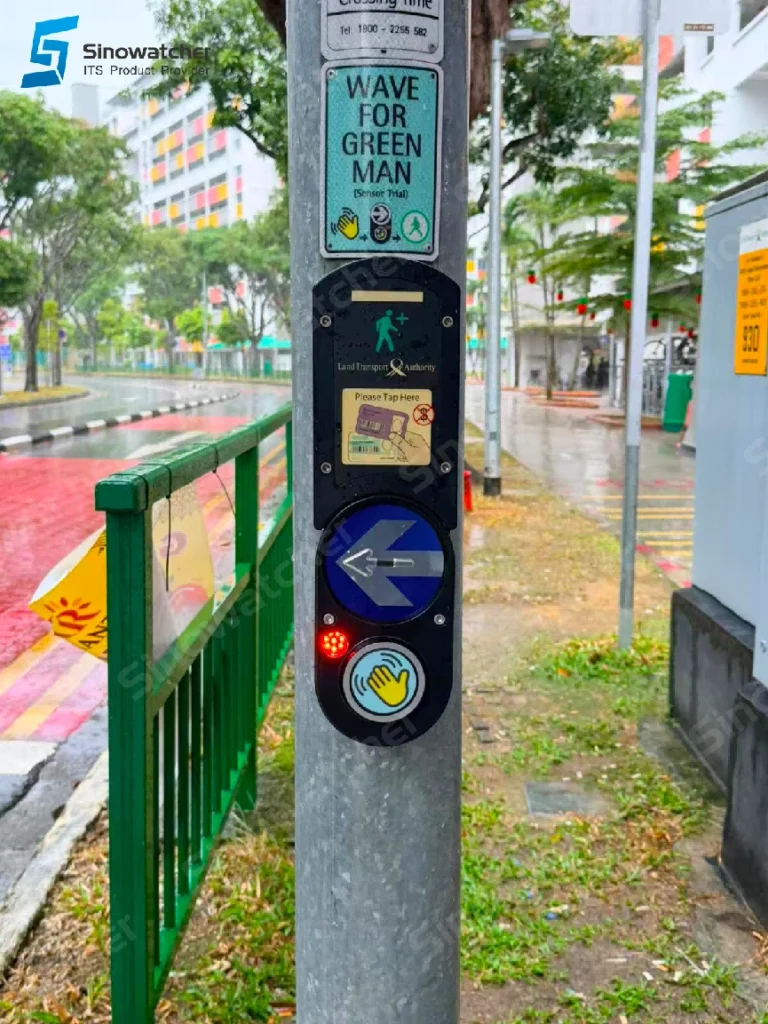
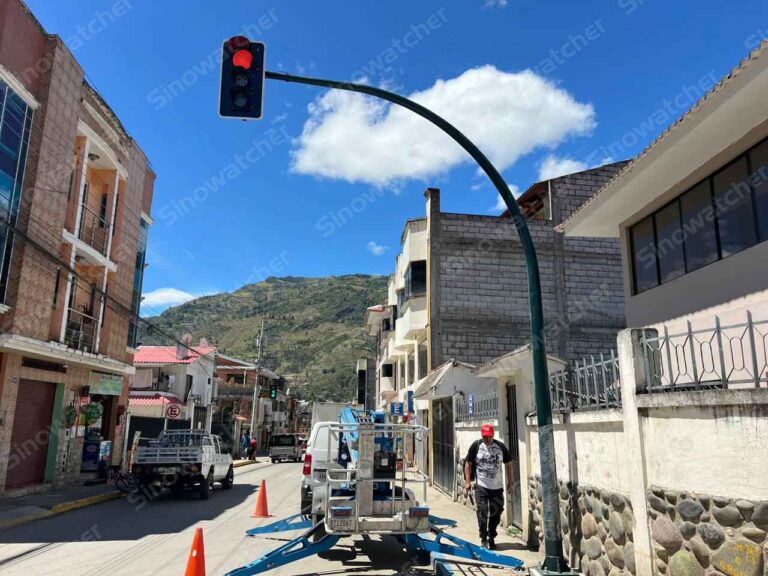
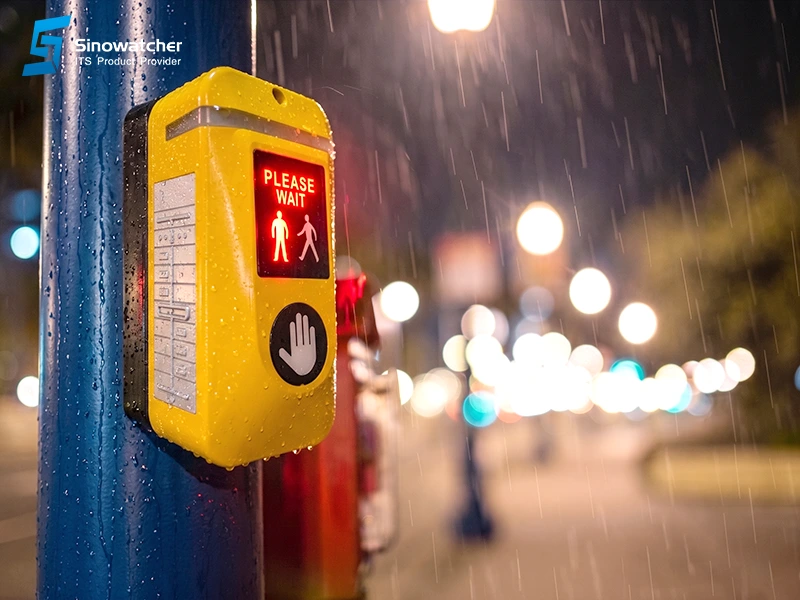
At Sinowatcher, radar-assisted sensing technologies are increasingly integrated into intelligent pedestrian crossing solutions designed for modern urban traffic environments. Combined with pedestrian push buttons, acoustic guidance systems, traffic controllers, and traffic signaling, radar sensing can help intersections operate with higher responsiveness and improved environmental adaptability.
Rather than relying solely on static traffic timing plans, future intelligent intersections will continuously adapt based on real-world traffic conditions and pedestrian activity.
Radar Sensing and the Future of Intelligent Transportation Systems
Future intelligent pedestrian detection systems will increasingly combine:
- Radar sensing
- AI-based traffic analytics
- Edge computing
- Connected infrastructure
- Real-time traffic optimization
- Vehicle-to-infrastructure communication
The goal is no longer simply detecting movement, but enabling intersections to better understand and respond to real pedestrian behavior.
Radar-assisted pedestrian technologies are also being increasingly evaluated in urban traffic projects across Asia, Europe, and Latin America, where cities continue investing in safer and smarter transportation infrastructure.
As ITS systems become more connected and adaptive, sensing quality is becoming just as important as traffic signal control itself.
Radar sensing is therefore no longer only a detection technology, it is becoming a critical component of next-generation intelligent pedestrian infrastructure.
Conclusion
As urban mobility continues evolving, intelligent pedestrian detection will play an increasingly important role in improving both traffic safety and operational efficiency.
Compared with traditional detection technologies, radar pedestrian detection provides significant advantages in outdoor reliability, environmental adaptability, and intelligent sensing stability. From reducing false triggering to supporting all-weather operation, radar sensing is helping intersections become smarter, safer, and more responsive to real pedestrian behavior.
In the future of intelligent transportation systems, smart pedestrian crossings will rely not only on signal timing, but also on advanced sensing technologies capable of understanding and adapting to dynamic urban traffic environments.