English
  Spanish
  French
  Russian
  Arabic
 As cities continue investing in safer streets, intelligent transportation systems, and more sustainable urban mobility, pedestrian crossing infrastructure is also evolving rapidly. Among the most widely recognized pedestrian crossing systems in the UK and many international traffic projects are Pelican, Puffin, Toucan, and Zebra crossings.
Although these crossing types are often grouped under the category of pedestrian crossings, they are designed for very different traffic environments and operational goals. Some focus on simplicity and low infrastructure cost, while others are built around adaptive traffic control, accessibility, and real-time pedestrian detection.
For traffic engineers, municipalities, and ITS system integrators, understanding the difference between these crossing systems is increasingly important in 2026 as cities balance pedestrian safety, traffic efficiency, and smart mobility strategies.
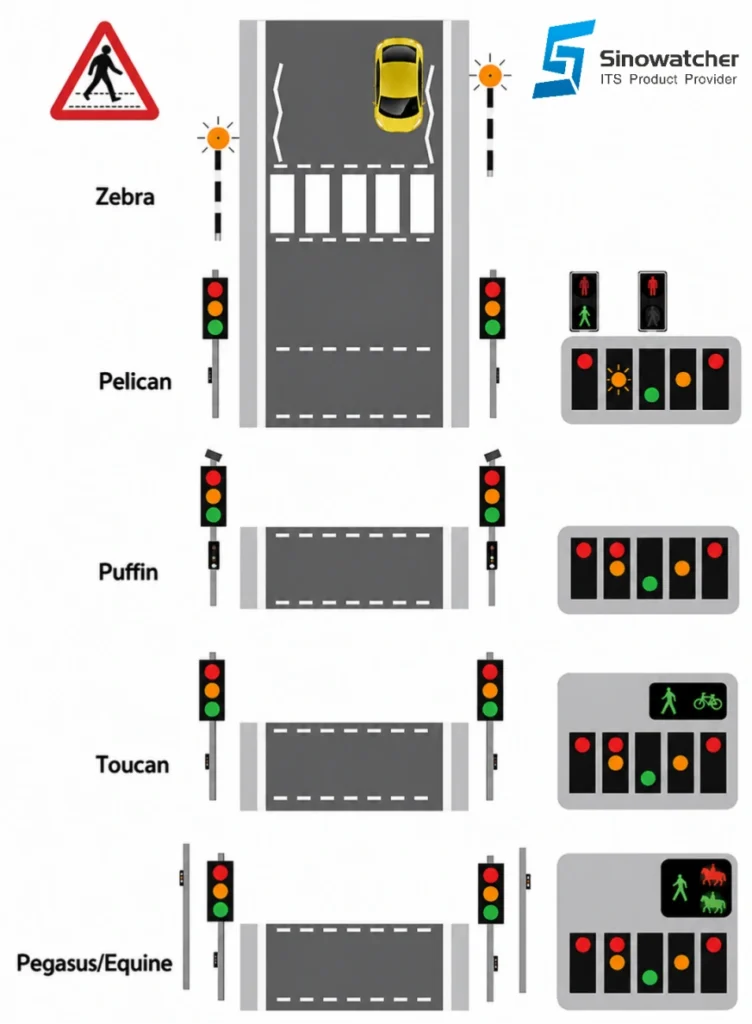
Why Different Pedestrian Crossing Systems Exist?
Not every road environment requires the same type of pedestrian crossing solution.
A low-speed residential street with occasional pedestrian activity operates very differently from a busy urban corridor with buses, cyclists, elderly pedestrians, and adaptive traffic signal coordination.
Because of this, modern traffic systems use different pedestrian crossing systems according to:
- Traffic speed
- Pedestrian volume
- Cyclist integration
- Accessibility requirements
- Traffic signal coordination needs
- Smart city infrastructure planning
This is why Pelican, Puffin, Toucan, and Zebra crossings continue to coexist in modern transportation infrastructure rather than being replaced by a single universal solution.
Zebra Crossings: The Simplest Form of Pedestrian Crossing
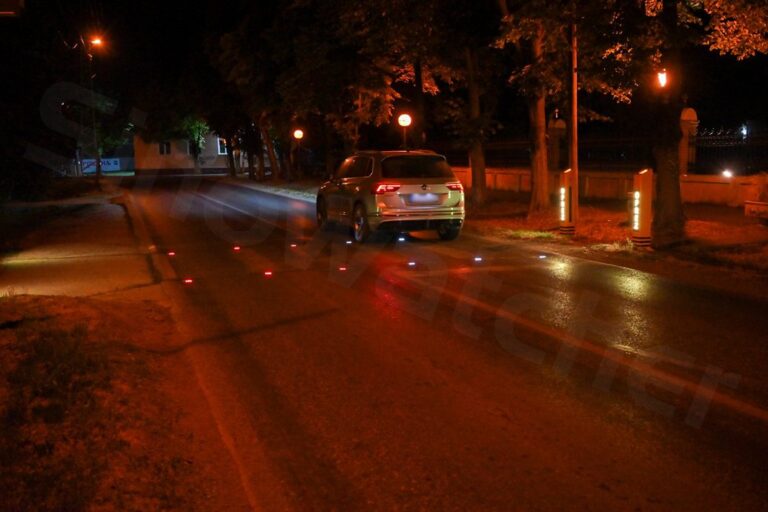
Zebra crossings are among the oldest and simplest pedestrian crossing systems still widely used today. They are identified by black-and-white road markings together with flashing amber beacons positioned at the roadside.
Unlike signal-controlled pedestrian crossings, Zebra crossings do not use traffic lights or pedestrian request systems. Instead, drivers are expected to stop when pedestrians intend to cross.
Because of their relatively simple infrastructure, Zebra crossings remain common in:
- Residential streets
- School zones
- Local community roads
- Low-speed traffic environments
One reason Zebra crossings are still widely used is their low installation and maintenance costs. They also allow continuous vehicle flow when pedestrians are not present.
However, Zebra crossings also have operational limitations. On roads with higher traffic volumes, multiple lanes, or poor nighttime visibility, they may provide lower safety performance compared with signal-controlled pedestrian crossing systems.
For this reason, many cities are gradually reducing the use of Zebra crossings in complex urban intersections where intelligent traffic coordination and accessibility functions are becoming more important.
Pelican Crossings: Early Signal-Controlled Pedestrian Request Systems
Pelican crossings represented a major step forward in pedestrian traffic management when they were introduced in the UK.
The name “Pelican” stands for:
Pedestrian Light Controlled Crossing
Unlike Zebra crossings, Pelican crossings introduced signal-controlled pedestrian request systems using push-button activation and traffic signal coordination.
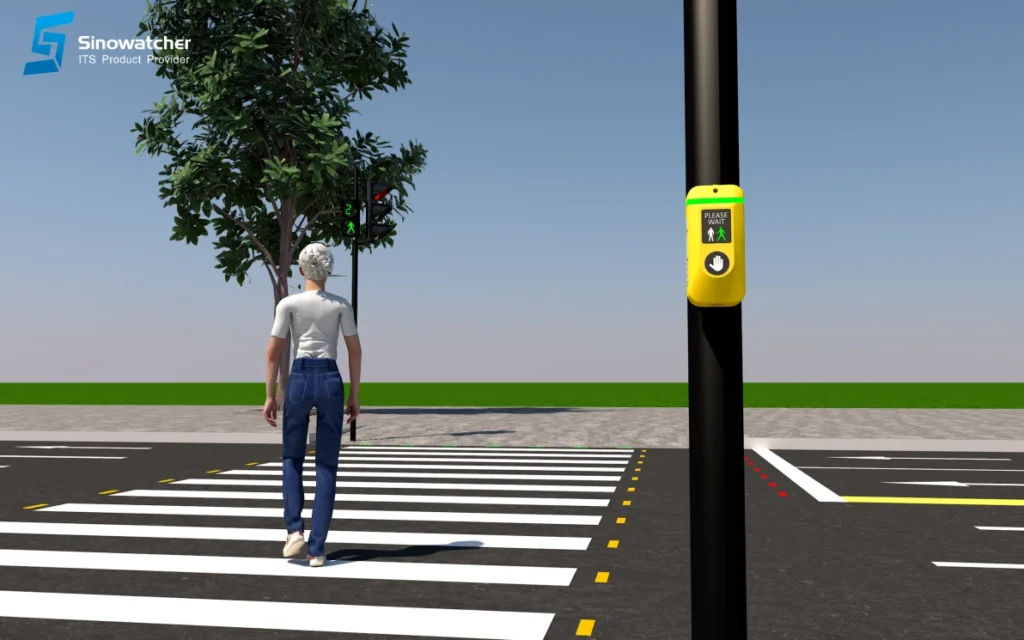
When a pedestrian presses the crossing button, the traffic controller activates a pedestrian phase after a short waiting period. Vehicles then receive a red signal while pedestrians are allowed to cross.
One characteristic feature of Pelican crossings is the flashing amber phase shown to vehicles after the pedestrian crossing stage. This allows drivers to continue once pedestrians have cleared the crossing area.
For many years, Pelican crossings became one of the standard pedestrian request systems used in urban traffic engineering because they improved pedestrian safety while supporting more structured traffic management.
However, Pelican crossings rely largely on fixed timing logic. The system does not actively monitor whether pedestrians are still within the crossing area. In busy city environments, this can sometimes create unnecessary vehicle delay or reduce crossing efficiency.
As adaptive traffic management systems become more common, many municipalities are gradually replacing older Pelican crossings with more intelligent crossing technologies.
Puffin Crossings: Intelligent Pedestrian Detection for Smarter Cities
Puffin crossings were developed as a more advanced alternative to Pelican crossings.
The name “Puffin” stands for:
Pedestrian User-Friendly Intelligent Crossing
Compared with older pedestrian request systems, Puffin crossings use intelligent pedestrian detection technology to monitor crossing activity in real time.
Instead of relying solely on fixed timers, Puffin crossings can detect whether pedestrians are still crossing and automatically adjust signal timing as needed.
This provides several important advantages:
- Improved pedestrian safety
- Reduced unnecessary waiting time for vehicles
- More efficient traffic signal coordination
- Better support for elderly or slow-moving pedestrians
This adaptive logic is one reason why Puffin crossings are increasingly preferred in newer urban traffic projects and smart city developments.
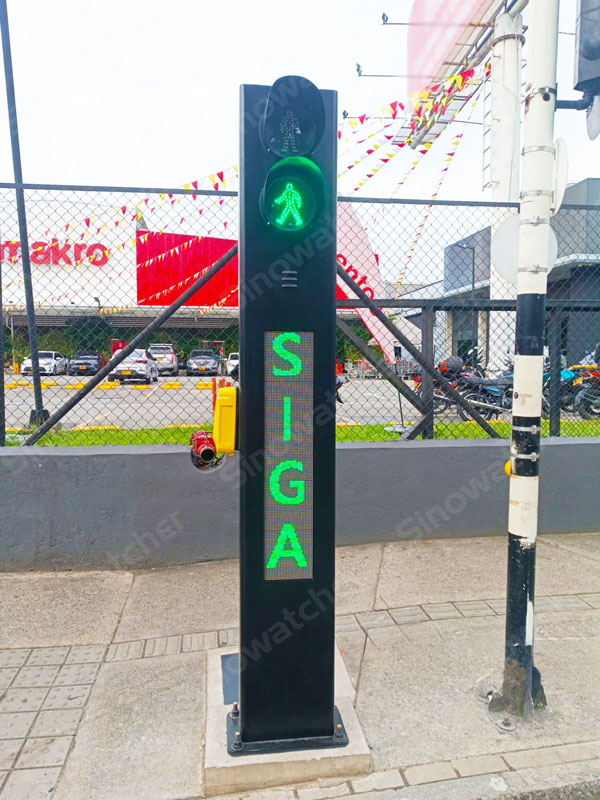
Puffin crossings are also highly compatible with accessible pedestrian crossing infrastructure because they can integrate:
- Audible pedestrian signals
- Tactile guidance features
- Vibration feedback
- Smart pedestrian request systems
- Real-time traffic management platforms
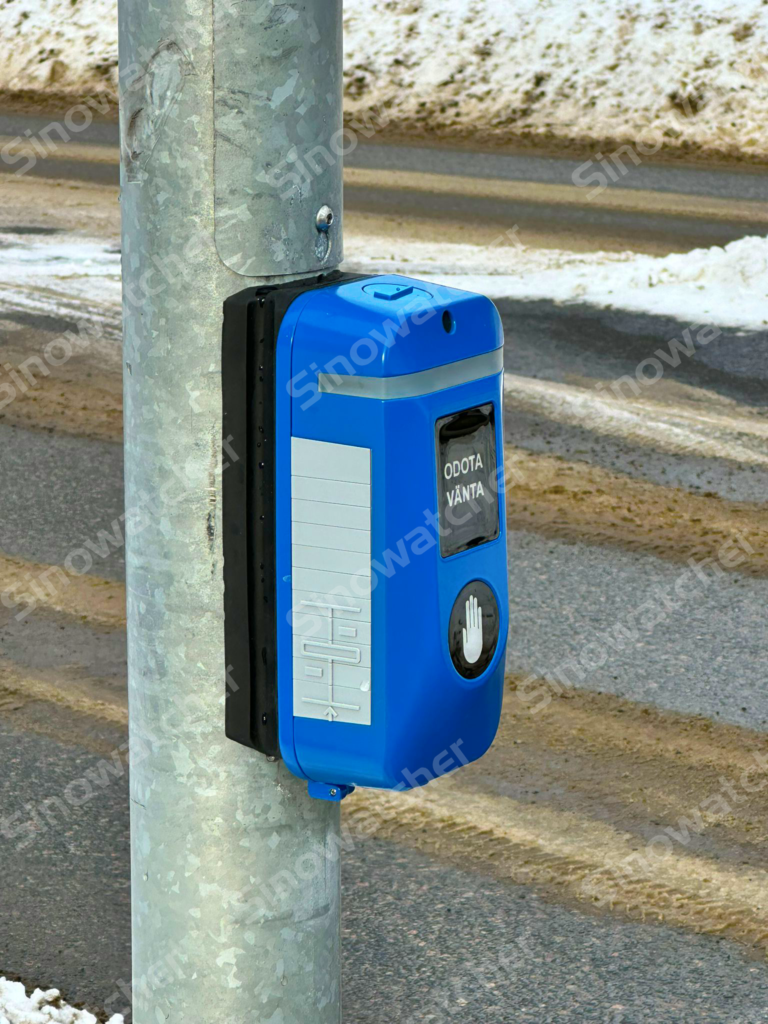
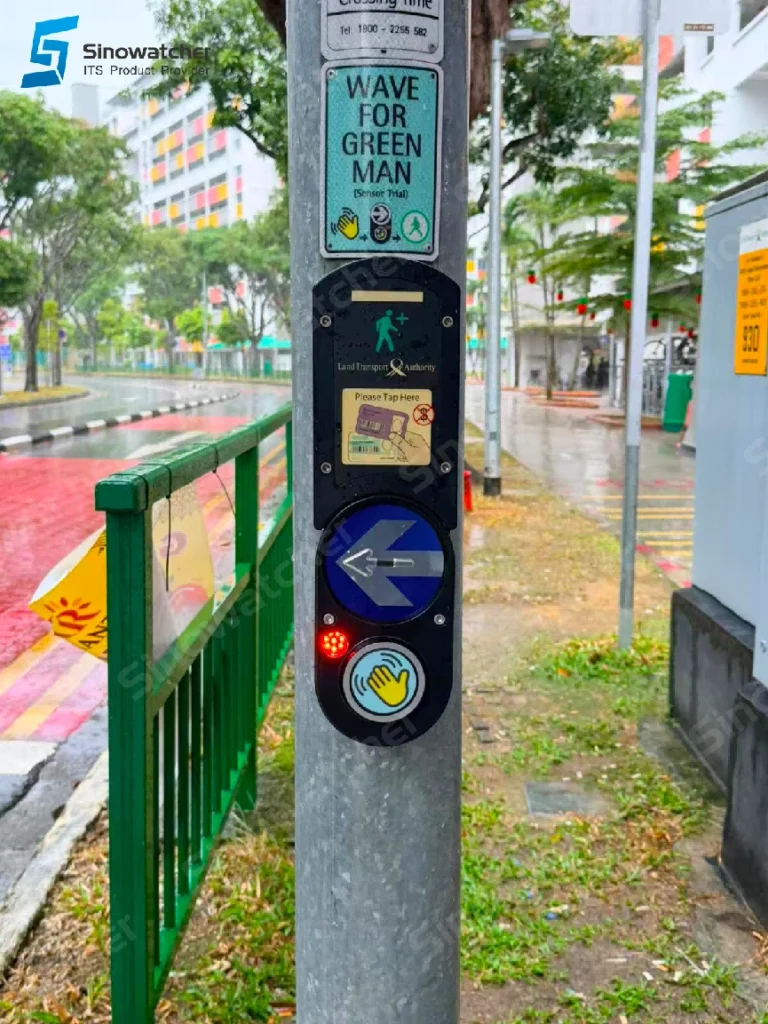
Reliable pedestrian actuation devices remain an important part of these systems. Hardware such as the PedSense Contactless Push Button continues to support modern pedestrian crossing projects where stable outdoor operation and clear user interaction are required.
Toucan Crossings: Supporting Both Pedestrians and Cyclists
As cities continue promoting sustainable transportation and bicycle-friendly mobility, Toucan crossings are becoming increasingly important within modern urban planning.
The name “Toucan” originates from the phrase:
“Two can cross”
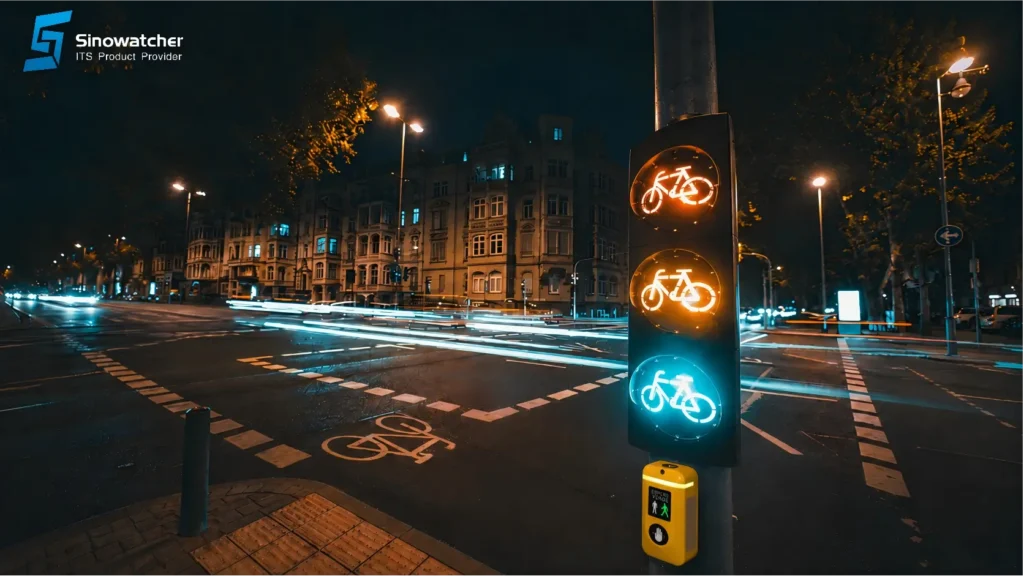
Unlike Pelican or Puffin crossings, Toucan crossings are specifically designed for both pedestrians and cyclists. Cyclists are legally permitted to cross without dismounting.
Toucan crossings are commonly deployed in:
- Shared pedestrian and bicycle routes
- Urban cycling corridors
- Greenway transportation projects
- Smart mobility infrastructure
In many modern cities, Toucan crossings are now integrated into broader intelligent transportation systems that support multimodal transportation strategies.
Newer Toucan crossing projects may include:
- Bicycle detection systems
- Smart pedestrian request systems
- Adaptive traffic coordination
- Accessible pedestrian crossing functions
- Audible and visual crossing assistance
Because cycling infrastructure is expanding rapidly across Europe and many international smart city projects, Toucan crossings are expected to remain an important part of future urban mobility planning.
Pelican vs Puffin vs Toucan vs Zebra Crossings: Key Operational Differences
Although all four crossing types are designed to improve pedestrian safety, they operate very differently.
Zebra Crossings
- No traffic signals
- No pedestrian request systems
- Lowest infrastructure complexity
- Suitable for low-speed roads
Pelican Crossings
- Traditional signal-controlled crossing
- Push-button activation
- Fixed pedestrian timing
- Limited adaptive control capability
Puffin Crossings
- Intelligent pedestrian detection
- Adaptive crossing timing
- Improved traffic optimization
- Better accessibility integration
Toucan Crossings
- Supports pedestrians and cyclists
- Multimodal traffic design
- Smart mobility compatibility
- Increasingly used in sustainable urban infrastructure
In practice, Puffin and Toucan crossings are becoming more common in newer traffic projects because they support intelligent transportation systems and more flexible traffic management strategies.
Why Intelligent Pedestrian Crossing Systems Matter in 2026?
Modern cities face increasing pressure to improve pedestrian safety without significantly reducing overall traffic efficiency.
As a result, pedestrian crossing infrastructure is no longer treated as an isolated roadside installation. Instead, pedestrian crossings are becoming part of larger connected traffic systems that integrate:
- Adaptive signal control
- Real-time traffic monitoring
- Accessible pedestrian crossing functions
- Smart pedestrian request systems
- Urban mobility optimization strategies
This shift is especially important in dense urban areas where traffic congestion, pedestrian demand, and accessibility requirements must all be managed simultaneously.
At the same time, reliable hardware infrastructure remains essential. Traffic engineers still require crossing systems that can maintain stable long-term performance under rain, heat, humidity, dust, vandalism, and heavy urban usage.
For this reason, both intelligent sensing technologies and dependable pedestrian actuation hardware continue to play important roles in the future of modern pedestrian crossing systems.
Conclusion
Pelican, Puffin, Toucan, and Zebra crossings each represent different stages in the evolution of pedestrian traffic management.
While Zebra crossings continue to serve simple, low-speed environments, Puffin and Toucan crossings are increasingly aligned with modern intelligent transportation systems, adaptive traffic control, and sustainable urban mobility strategies.
As cities continue developing smarter and more accessible transportation infrastructure in 2026 and beyond, pedestrian crossing systems will likely become even more integrated with real-time traffic management, accessibility technologies, and connected urban mobility platforms.
The future of pedestrian safety will therefore depend not only on smarter traffic signals, but also on choosing the right pedestrian crossing system for the right urban environment.