English
 Spanish
 French
 Russian
 Arabic

Pedestrians and cyclists are among the most vulnerable road users because they have limited physical protection when conflicts with motor vehicles occur. At urban intersections and midblock crossings, safety depends on more than road markings. Vehicle speed, sight distance, turning movements, signal timing, and driver attention all influence the risk of a collision.
Smart pedestrian crossings bring these factors into a more coordinated approach to road safety. Appropriate pedestrian crosswalk signals can make crossing opportunities clearer, while pedestrian detection and warning technologies can address specific risks at selected locations. According to the World Health Organization, effective pedestrian safety requires a combination of safer road design, speed management, enforcement, and education rather than reliance on a single device or intervention.

Common Safety Challenges at Pedestrian Crossings
One recurring risk at urban intersections occurs when vehicles turn across a pedestrian crossing. Drivers may focus on finding gaps in traffic and fail to notice pedestrians who have already entered the crosswalk. Well-designed pedestrian crosswalk signals can help clarify crossing phases, but their effectiveness also depends on visibility, signal timing, and driver awareness. Parked vehicles, street furniture, poor lighting, and wide approaches can further restrict sightlines, while higher vehicle speeds reduce the time available for drivers to react and stop.
Signal timing presents another challenge. If the pedestrian walking interval or clearance time does not account for crossing distance and expected walking speed, some pedestrians may struggle to reach the other side comfortably. At locations without traffic signals, a marked crosswalk alone may not consistently encourage drivers to yield. In these situations, pedestrian crosswalk signals may be appropriate where a signalized crossing is justified by traffic conditions and safety assessments.
Addressing these risks requires a site-specific approach. Some locations need improved lighting, clearer sightlines, or lower vehicle speeds, while others may benefit from revised signal phases, enhanced warning devices, or additional traffic control measures. Selecting the right treatment means evaluating actual road conditions rather than assuming that one technology will work equally well at every crossing.
How Pedestrian Crosswalk Signals Improve Safety
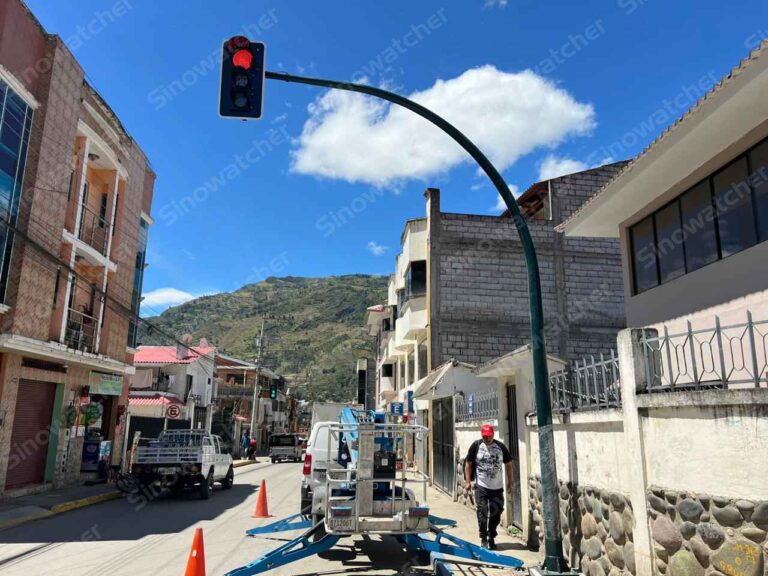
Well-designed pedestrian crosswalk signals establish clearer expectations for pedestrians and drivers. Their effectiveness depends on the complete signal plan, including phase sequence, crossing duration, vehicle movements, and the visibility of signal indications.
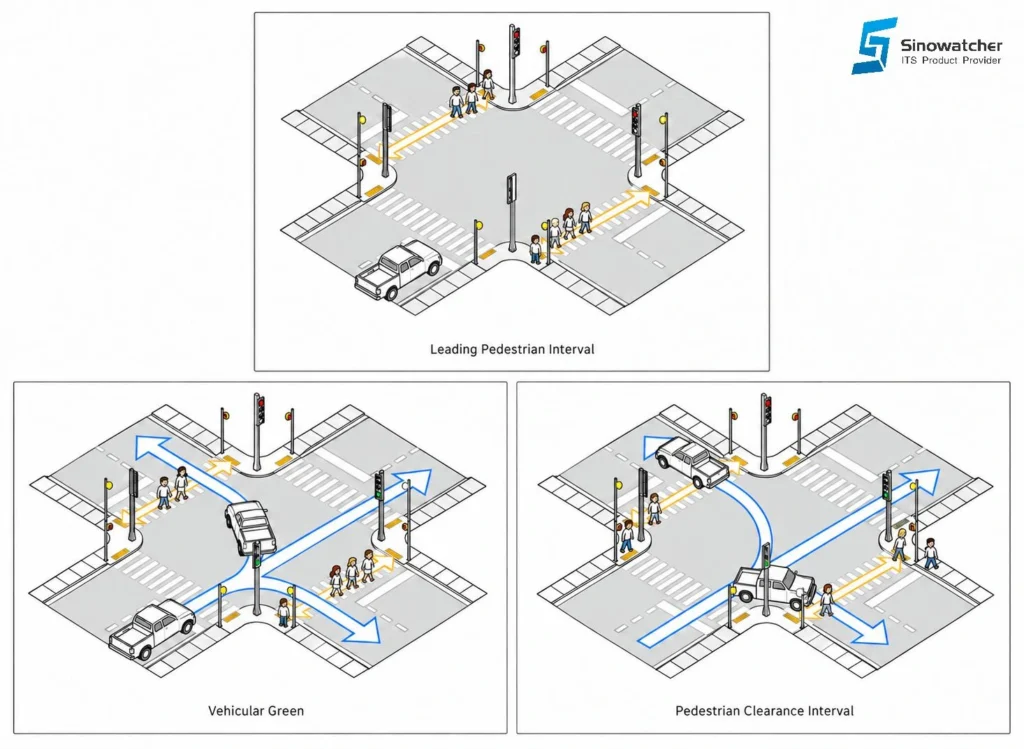
One useful engineering measure is the Leading Pedestrian Interval. This timing strategy allows pedestrians to begin crossing several seconds before vehicles receive a green indication. The Federal Highway Administration recommends a typical advance interval of three to seven seconds in appropriate applications.
This head start allows pedestrians to establish their presence in the crosswalk before turning vehicles begin moving. It can improve pedestrian visibility, reduce conflicts between turning vehicles and pedestrians, and increase the likelihood that drivers will yield.
However, this timing strategy is not suitable for every intersection without further assessment. Engineers should review turning traffic volumes, signal phasing, pedestrian demand, crossing geometry, and local regulations before implementation.
A pedestrian crossing signal is most effective when its indications and timing reflect actual road conditions. Adequate crossing time, appropriate vehicle stopping positions, and clear signal displays all contribute to a more predictable crossing environment.
Smart Crossing Technologies in Practice
Different crossing technologies address different road safety challenges. Understanding how they work helps municipalities and intelligent transportation systems integrators select appropriate solutions. Depending on traffic conditions and crossing design, pedestrian crosswalk signals may work alongside pedestrian request buttons, detection systems, and warning beacons to improve crossing safety.
- Pedestrian Request Buttons
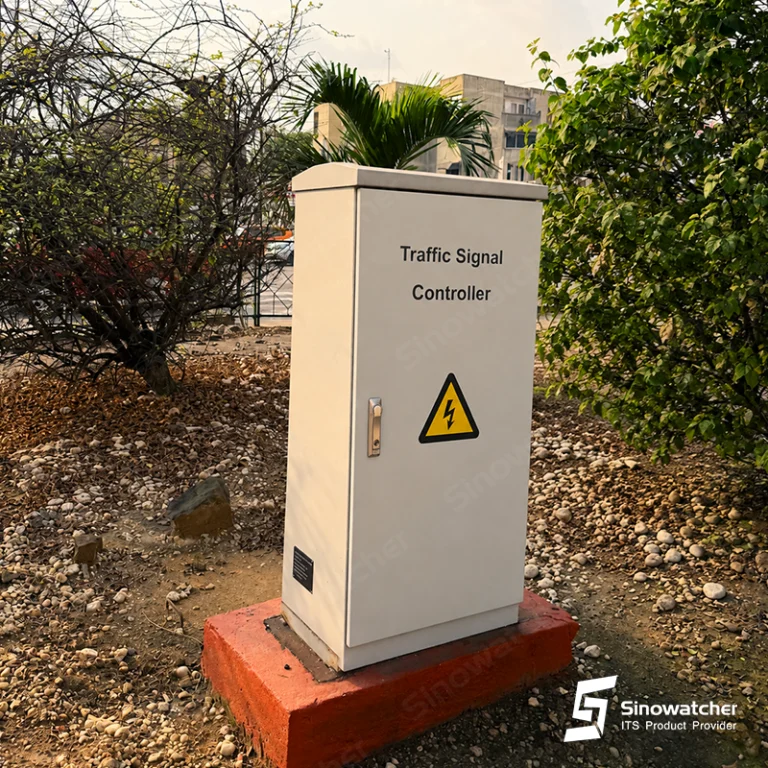
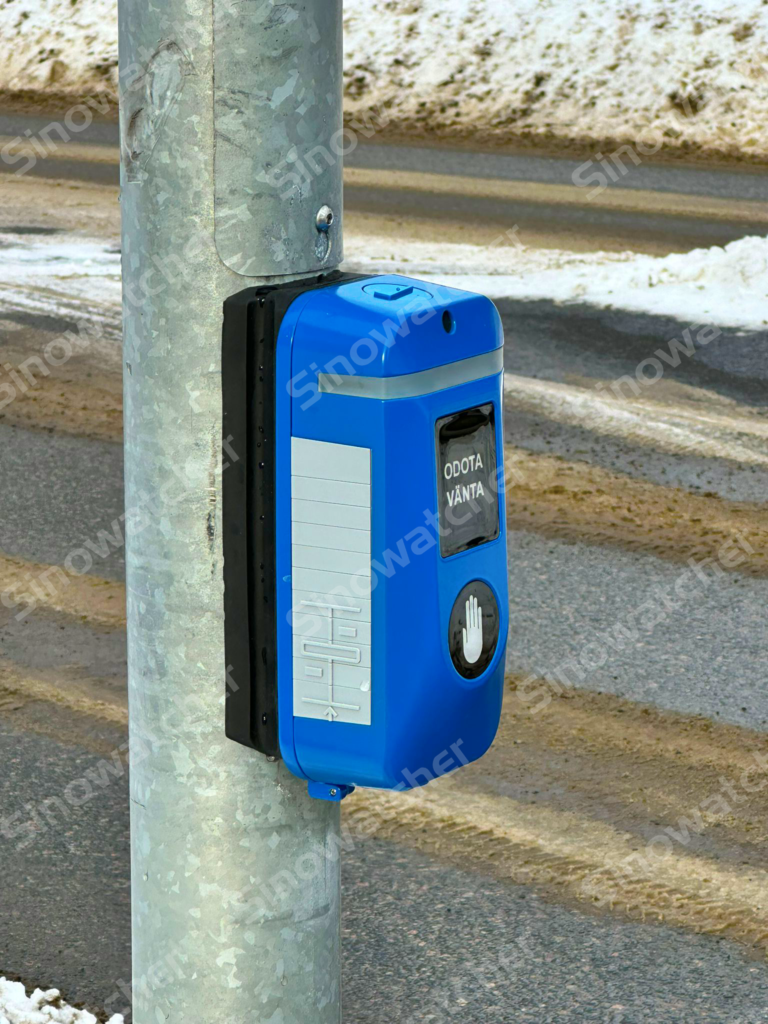
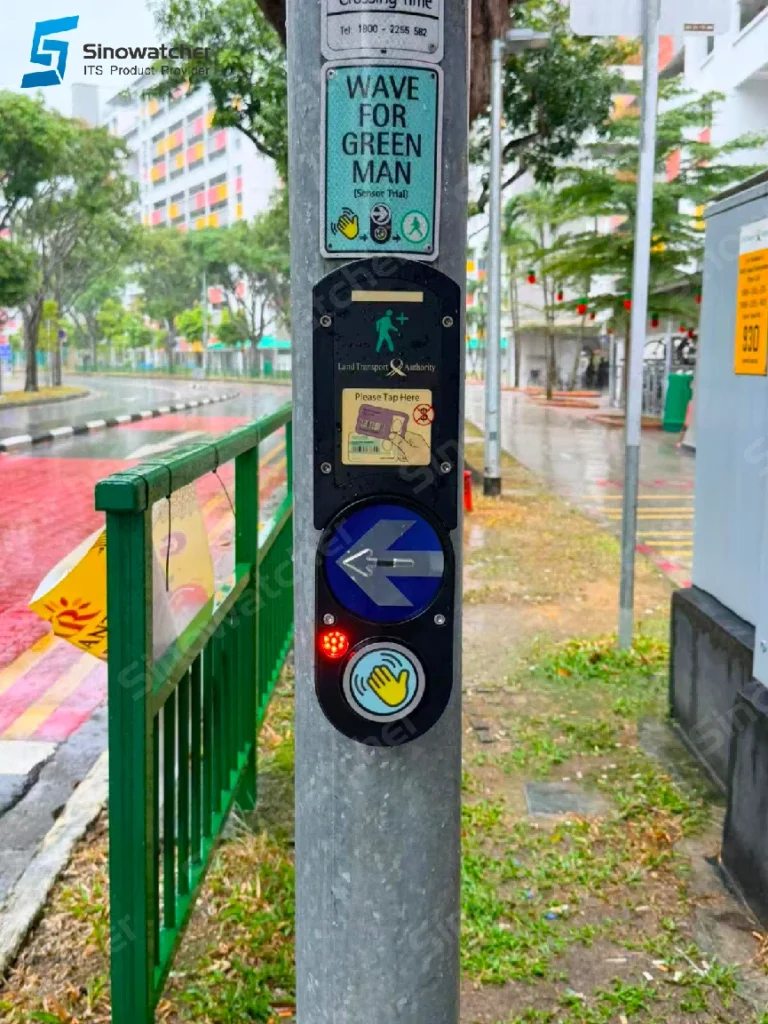
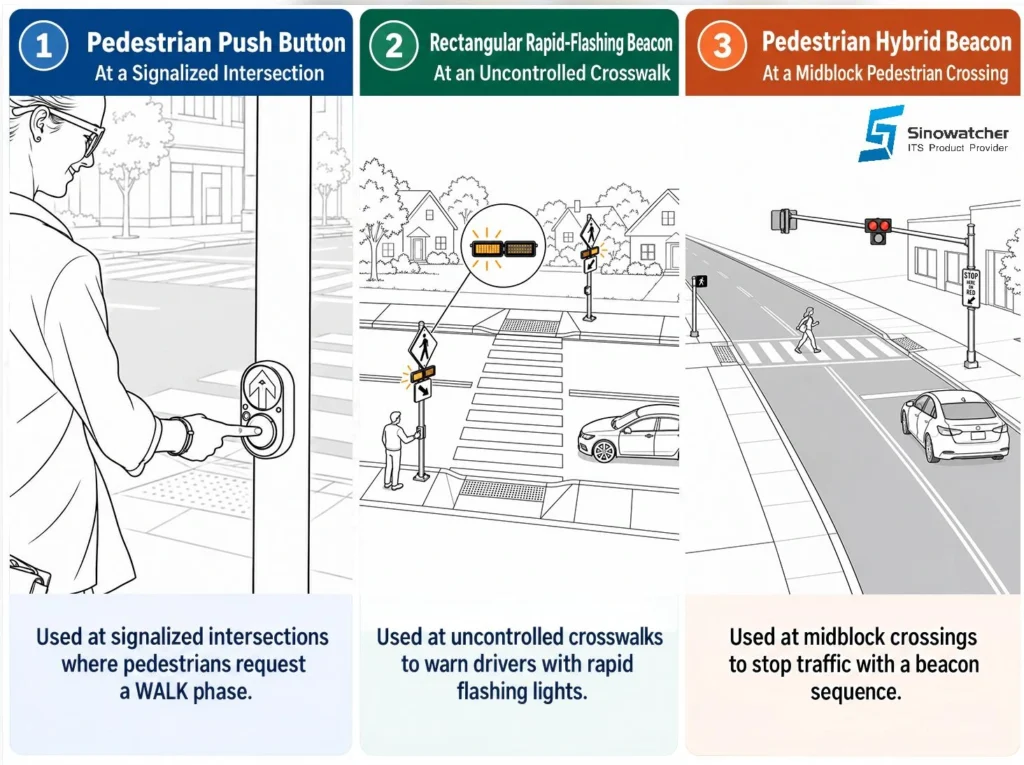
At a signalized intersection, a pedestrian request button allows pedestrians to request a crossing phase. The traffic signal controller processes the request according to its programmed logic. As part of a pedestrian crossing signal system, the button provides a direct interface between pedestrians and traffic control equipment. However, it does not independently determine the signal sequence or guarantee a safe crossing.
- Pedestrian Detection Systems
Pedestrian detection systems use sensors to identify pedestrian presence or movement, depending on the technology and its configuration. When properly integrated with traffic controllers, detection information can support more responsive signal operation. Engineers should consider detection coverage, environmental conditions, false detections, and system compatibility when incorporating these technologies into modern pedestrian crosswalk signals.
- Rectangular Rapid-Flashing Beacons
Rectangular rapid-flashing beacons use rapidly flashing lights to attract drivers’ attention at eligible pedestrian crossings without conventional traffic signals. They supplement pedestrian warning signs and can encourage drivers to yield, but they do not provide the same level of traffic control as a fully signalized intersection.
In a study covering 22 locations, the Federal Highway Administration reported that the average driver yielding rate increased from 4% before installation to 78% shortly after installation. This finding demonstrates the potential value of the technology in the studied environments. However, results may vary according to road design, traffic conditions, and driver behavior, so this figure should not be treated as a guaranteed outcome for every project.
- Pedestrian Hybrid Beacons
Pedestrian hybrid beacons provide a more explicit traffic control sequence at selected midblock crossings or intersections without conventional traffic signals. When activated, they use a sequence of flashing yellow, steady yellow, and red indications to instruct drivers to slow down and stop as required while pedestrians cross. They can be considered where engineering assessments indicate that a more formal crossing control treatment is appropriate.
These technologies serve different purposes and are not interchangeable. Selecting suitable pedestrian crosswalk signals or a pedestrian crossing warning system requires an assessment of road geometry, vehicle speed, traffic volume, pedestrian demand, applicable standards, and the level of control required.
How to Choose the Right Crosswalk Signals
Selecting crosswalk signals should begin with an assessment of the crossing environment rather than a preference for the newest available technology.
Traffic engineers and project integrators should consider five key factors:
- Vehicle speed and turning movements: Identify high-speed approaches and potential conflicts between turning vehicles and pedestrians.
- Pedestrian demand: Consider peak-hour pedestrian volumes, school routes, public transport stops, and nearby destinations.
- Visibility: Review road lighting, sight distance, parked vehicles, and the visibility of signs and signal displays.
- Existing infrastructure: Check compatibility with the traffic signal controller, power supply, communication interfaces, and maintenance arrangements.
- Local regulations: Confirm that the proposed equipment, signal indications, timing, and installation comply with applicable national or regional requirements.
For example, an intersection with frequent turning conflicts may benefit from revised signal phasing, while an eligible crossing without conventional traffic signals may require enhanced warnings or a more formal traffic control treatment.
The objective is to match the technology to the identified risk. A well-selected pedestrian crossing signal should form part of a site-specific safety strategy rather than serve as a stand-alone solution.
Building Safer Crossings Through Better Design
Improving pedestrian safety rarely depends on one device. Road layout, vehicle speed management, signal timing, crossing visibility, and appropriate traffic control need to work together.
The World Health Organization’s pedestrian safety manual provides a global framework for assessing risks and selecting road safety interventions. Guidance published by the Federal Highway Administration offers additional engineering examples, including advance pedestrian signal timing, flashing pedestrian warning beacons, and pedestrian hybrid beacons for suitable crossing environments.
For municipalities and intelligent transportation systems integrators, the practical priority is to identify the main risk at each crossing and select a treatment supported by engineering assessment and local standards.
Sinowatcher provides pedestrian crossing equipment as part of its wider intelligent transportation portfolio. For projects evaluating pedestrian request devices and related signal equipment, selecting components that match the intended application is an important step toward reliable system operation.
Safer crossings are achieved when road design, signal control, and suitable technology work together to make pedestrian movements more visible and predictable.
References and Further Reading
- World Health Organization — Pedestrian Safety: A Road Safety Manual for Decision-Makers and Practitioners, Second Edition (2023).
https://www.who.int/publications/i/item/9789240072497 - Federal Highway Administration – Leading Pedestrian Interval.
https://highways.dot.gov/safety/proven-safety-countermeasures/leading-pedestrian-interval - Federal Highway Administration – Investigating Improvements to Pedestrian Crossings With an Emphasis on the Rectangular Rapid-Flashing Beacon: Literature Review.
https://www.fhwa.dot.gov/publications/research/safety/15043/002.cfm - Federal Highway Administration – Pedestrian Hybrid Beacon Guide: Recommendations and Case Study.
https://highways.dot.gov/safety/pedestrian-bicyclist/safety-countermeasures/pedestrian-hybrid-beacon-guide-recommendations