English
  Spanish
  French
  Russian
  Arabic
As cities grow, traffic becomes harder to manage with traditional fixed-time signals. Traffic volumes change throughout the day, pedestrian demand is less predictable, and intersections need to respond faster to real road conditions.
This is why more cities are adopting intelligent traffic signal control.
Intelligent traffic signal control uses real-time traffic data, detection devices, and adaptive control logic to optimize signal timing. Instead of relying only on pre-set schedules, the system adjusts signal operation based on actual demand.
This helps improve traffic flow, reduce delays, and support safer and more efficient urban mobility.
What Is Intelligent Traffic Signal Control?
Fixed-time traffic signals are still widely used, but they have clear limits in modern cities.
They often:
- waste green time on low-demand approaches
- create unnecessary delay during off-peak periods
- respond poorly to sudden traffic fluctuations
- offer limited support for pedestrian or public transport priority
- struggle to optimize traffic flow across multiple intersections
As urban traffic becomes more dynamic, cities need smarter and more adaptive signal control systems.
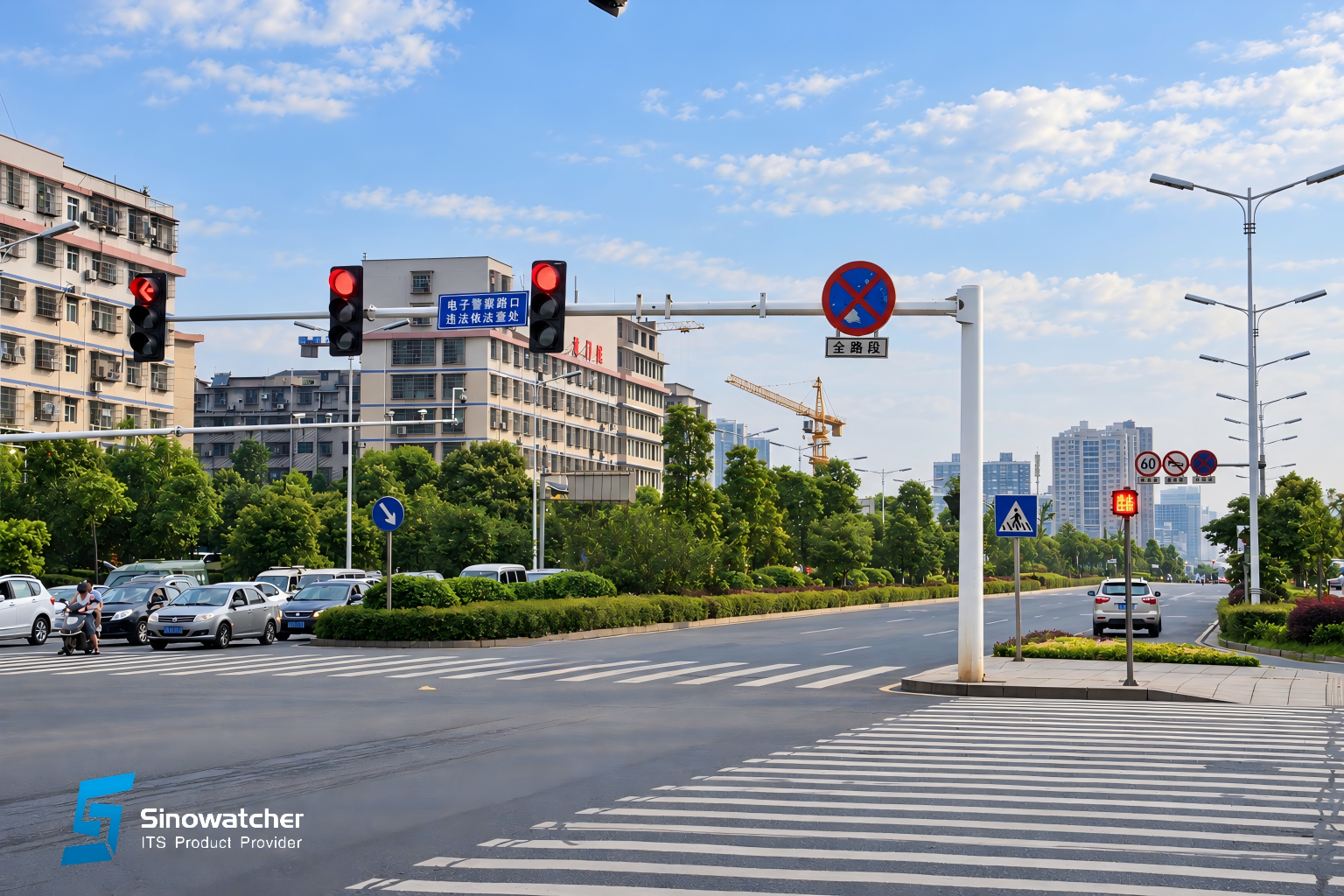
How Intelligent Traffic Signal Control Works
An intelligent traffic signal control system usually works through a continuous closed-loop process.
1. Traffic Data Collection
The system collects live traffic data from field devices such as:
- video cameras
- radar or microwave detectors
- loop detectors
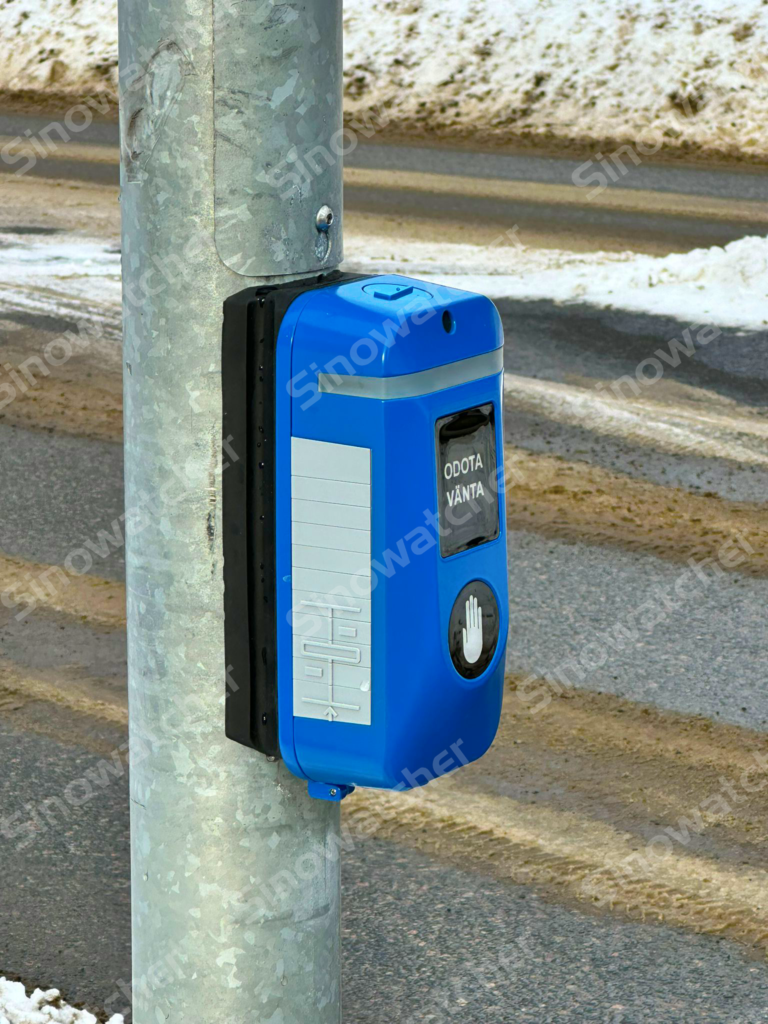
- pedestrian push buttons
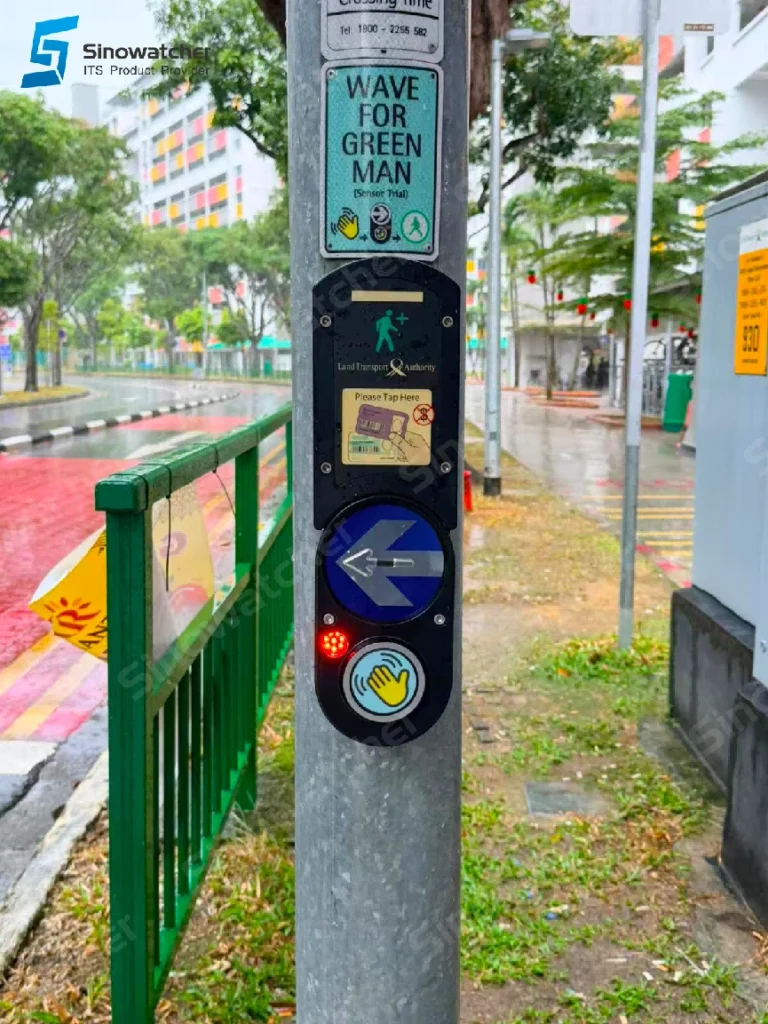
- pedestrian sensors
These devices detect vehicle presence, queue length, speed, lane occupancy, and pedestrian demand.
2. Data Processing
The system processes the collected data and converts it into usable traffic information. Depending on the project, this may happen inside the controller, at the edge, or through a central traffic management platform.
3. Traffic Analysis
After processing the data, the system evaluates current traffic conditions. It identifies where demand is increasing, where queues are forming, and which signal phases need adjustment.
4. Signal Timing Optimization
Based on real-time traffic demand, the system adjusts:
- green splits
- cycle lengths
- phase sequences
- offsets between intersections
- pedestrian timing
- priority logic for buses or emergency vehicles
5. Controller Execution
The optimized control strategy is sent to the traffic signal controller, which executes the updated timing plan in real time.
6. Continuous Feedback
The system keeps receiving new data and repeating the process. This is what makes intelligent traffic signal control more effective than fixed-time operation.
Intelligent Traffic Signal Control vs Fixed-Time Control
The difference between the two is simple.
Fixed-time control follows a pre-set schedule, whether traffic demand changes or not.
Intelligent traffic signal control uses real-time data to adjust signal timing dynamically.
In other words, fixed-time control is schedule-based, while intelligent control is data-driven and responsive.
Intelligent Traffic Signal Control vs Actuated Control
Actuated control is another common signal control method.
An actuated traffic signal responds to detector calls and adjusts signal timing at a local intersection. It is more responsive than fixed-time control, but it is usually limited to single-intersection logic.
Intelligent or adaptive traffic signal control goes further. It uses broader data analysis and can support corridor coordination or network-level optimization.
Actuated control is responsive. Intelligent traffic signal control is more adaptive, optimized, and scalable.
Key Benefits of Intelligent Traffic Signal Control
Intelligent traffic signal control provides several important benefits for cities and traffic authorities.
- Reduced Traffic Delay: Green time can be allocated where it is most needed, which helps reduce unnecessary waiting.
- Better Traffic Flow: The system helps traffic move more smoothly, especially at intersections with changing demand.
- Reduced Congestion: By responding faster to imbalanced demand, intelligent control can help reduce queue build-up and bottlenecks.
- Improved Road Safety: A well-designed system supports more orderly traffic movement and can improve safety for vehicles, pedestrians, and cyclists.
- Lower Fuel Consumption and Emissions: Reducing stop-and-go traffic and excessive idling can help lower fuel use and emissions.
- Better Support for Smart City Management: The system also generates useful traffic data for planning, monitoring, and future optimization.
Main Technologies Used in Intelligent Traffic Signal Control
A modern intelligent traffic signal control system usually includes several key technologies:
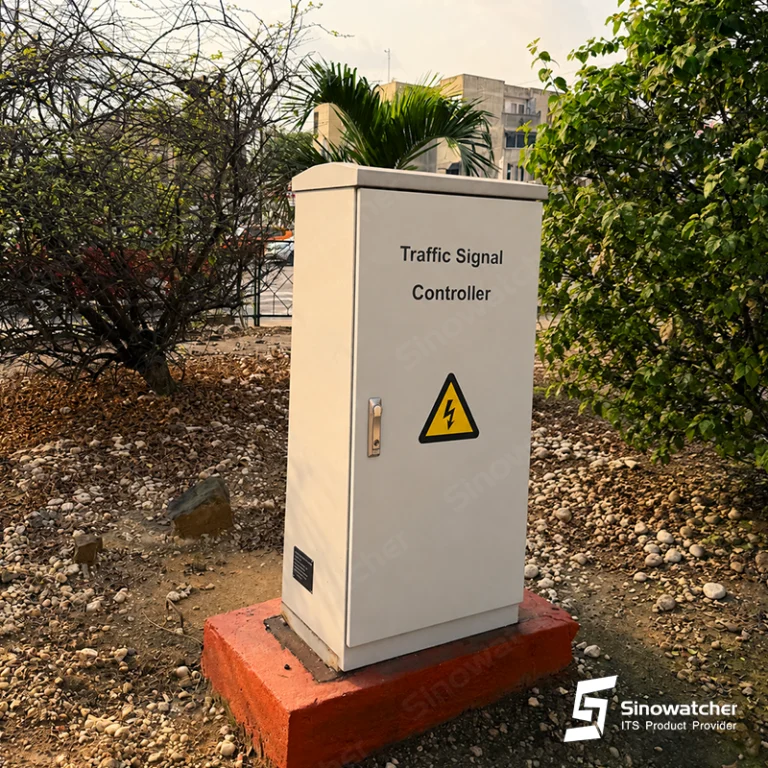
- traffic signal controllers
- vehicle detection systems
- pedestrian detection or request devices
- communication networks
- adaptive control algorithms
- central traffic management software
Together, these components allow signals to respond to real traffic conditions more effectively.
Common Applications of Intelligent Traffic Signal Control
Intelligent traffic signal control can be used in many traffic scenarios.
Urban Intersections
Busy intersections with changing traffic demand can benefit from more responsive signal timing.
Coordinated Corridors
On arterial roads, intelligent control can improve progression between intersections and reduce stops.
Smart Pedestrian Crossings
The system can integrate pedestrian requests and improve crossing safety and efficiency.
Public Transport Priority
Signal timing can be optimized to support buses and other priority vehicles.
Emergency Vehicle Priority
Intelligent control can help provide faster and safer passage for emergency vehicles.
Smart City Traffic Networks
When connected to a central platform, intelligent traffic signals become part of a wider smart traffic management system.
Why Intelligent Traffic Signal Control Matters for Smart Cities
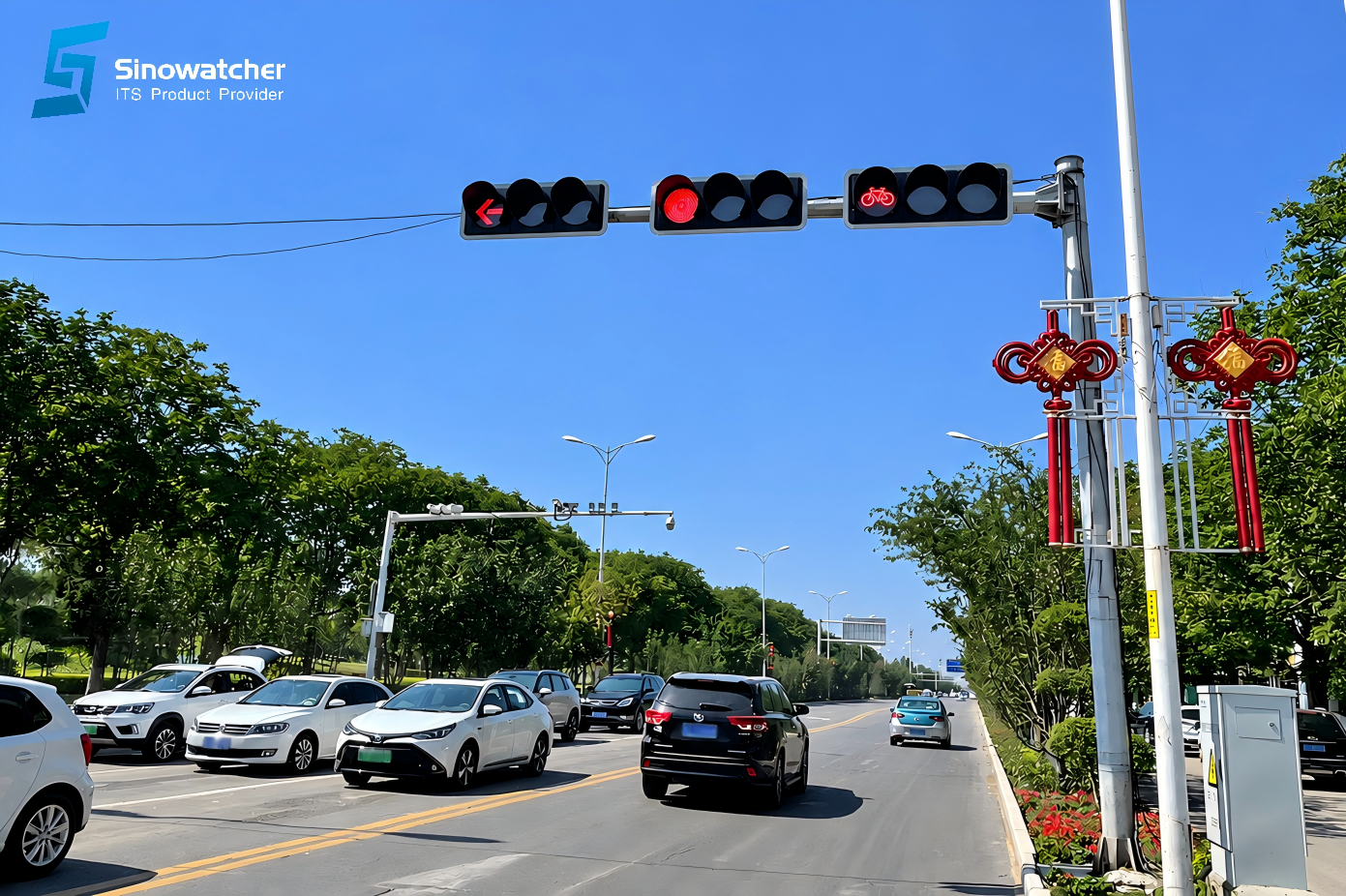
Smart cities need infrastructure that can respond to real conditions in real time.
Traffic signals are one of the most important control points in an urban road network. When they become more intelligent, cities can improve mobility, manage congestion more effectively, support sustainability goals, and make better use of traffic data.
This is why intelligent traffic signal control is becoming a key part of modern transportation systems.
Challenges of Implementing Intelligent Traffic Signal Control
Although the benefits are clear, implementation also has challenges.
Detection Quality
The system depends on accurate and reliable detection.
System Integration
Controllers, sensors, software, and communication devices must work together smoothly.
Maintenance
Traffic control systems require long-term reliability and efficient maintenance support.
Local Project Requirements
Different cities may have different standards, cabinet requirements, communication protocols, and traffic rules.
Because of this, choosing the right system architecture and supplier is very important.
How to Choose an Intelligent Traffic Signal Control System
When evaluating an intelligent traffic signal control solution, consider the following:
- controller flexibility
- detection compatibility
- scalability
- system reliability
- ease of integration
- technical support
A good system should not only optimize traffic flow, but also fit local project requirements and allow future expansion.
The Future of Intelligent Traffic Signal Control
The future of intelligent traffic signal control is moving toward greater connectivity and smarter decision-making.
Key trends include:
- AI-based traffic prediction
- better coordination between intersections
- integration with connected vehicles
- improved pedestrian and cyclist detection
- cloud-based traffic management platforms
- deeper integration with smart city infrastructure
As these technologies continue to develop, intelligent traffic signal control will play an even larger role in urban traffic management.
Conclusion
Intelligent traffic signal control is an important upgrade from traditional fixed-time traffic signals.
By using real-time traffic data, adaptive logic, and connected control systems, it helps cities improve traffic efficiency, reduce congestion, and support safer road operations.
For traffic engineers, city authorities, and ITS integrators, it is becoming an essential solution for modern intersection management and smart city traffic systems.
FAQ
What is intelligent traffic signal control?
Intelligent traffic signal control is a traffic management method that adjusts signal timing using real-time traffic data and adaptive control logic.
How does intelligent traffic signal control work?
It works by collecting traffic data, analyzing current conditions, optimizing signal timing, and sending updated commands to the traffic signal controller.
What is the difference between fixed-time and intelligent traffic signals?
Fixed-time signals follow a pre-set schedule, while intelligent traffic signals adjust timing based on real-time demand.
Is intelligent traffic signal control the same as actuated control?
No. Actuated control responds to detector calls at a local intersection, while intelligent traffic signal control usually applies broader optimization and can support multi-intersection coordination.
What are the benefits of intelligent traffic signal control?
Key benefits include reduced delay, better traffic flow, lower congestion, improved safety, and stronger support for smart city traffic management.
Where is intelligent traffic signal control used?
It is commonly used at urban intersections, coordinated corridors, smart pedestrian crossings, public transport priority routes, and smart city traffic networks.