English
  Spanish
  French
  Russian
  Arabic
Smart mobility is reshaping the way we move, and one of the key technologies driving this transformation is V2X, or Vehicle-to-Everything. This system enables vehicles to communicate wirelessly with their surroundings in real time, paving the way for safer, more efficient, and more connected roads. In this blog, we’ll explore what V2X is, its main categories, and how artificial intelligence (AI) is accelerating its development.

What Is V2X Technology?
V2X Technology is a wireless communication technology that allows vehicles to exchange information with other elements in the transportation ecosystem. Its primary goal is to improve safety, reduce congestion, and support autonomous driving. Unlike traditional sensors like cameras or radar, V2X enables vehicles to “see” beyond their line of sight—anticipating hazards before they become visible.
Key Types of V2X Communication
V2X is divided into several subcategories, each focused on a specific type of interaction:
- V2V (Vehicle-to-Vehicle): Direct communication between vehicles. This allows them to share data such as speed, direction, braking, or lane changes—helping prevent collisions and improve coordination.
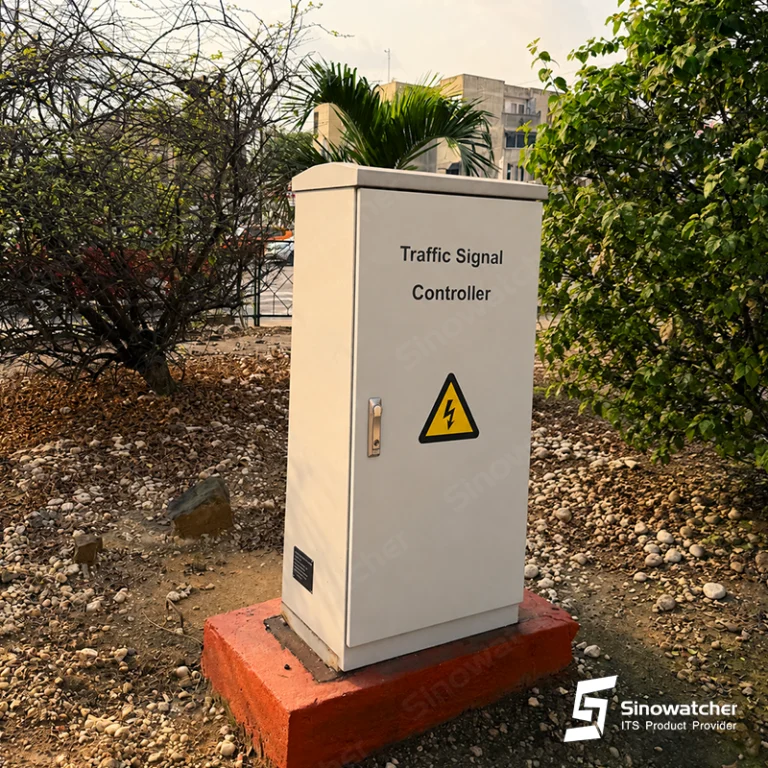
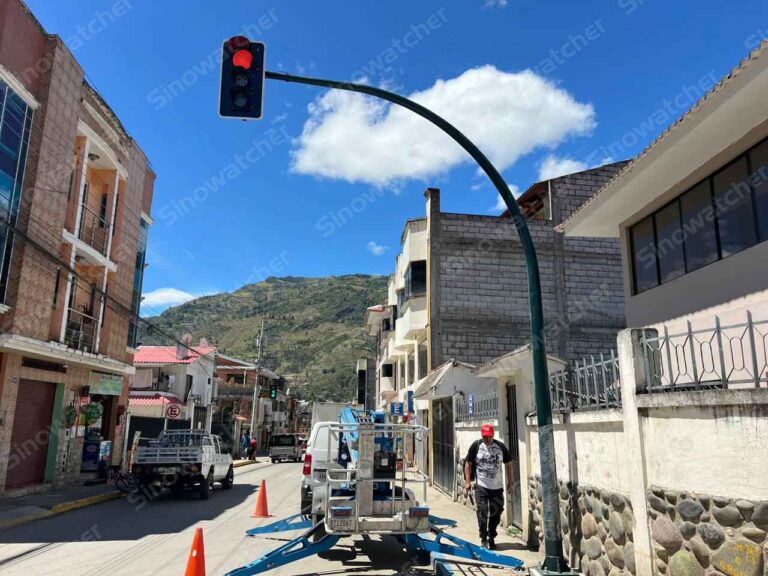
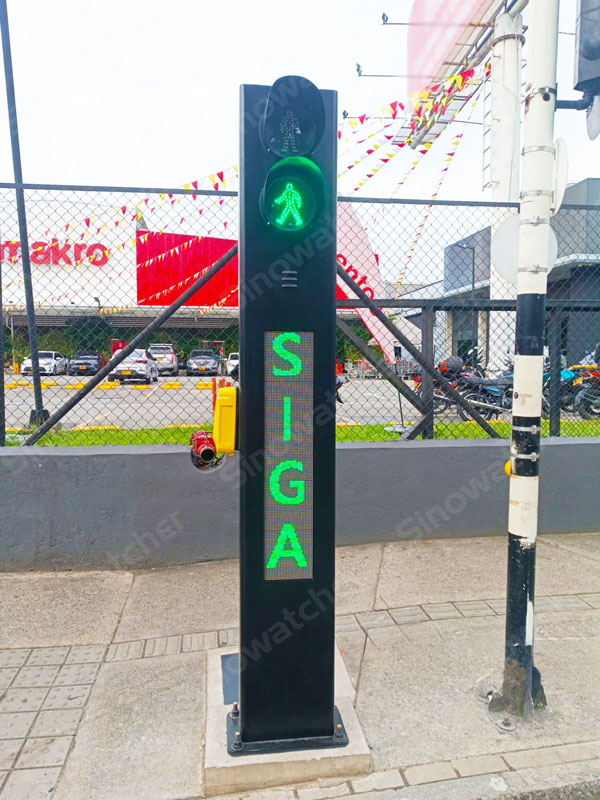
- V2I (Vehicle-to-Infrastructure): Interaction between vehicles and infrastructure elements like traffic lights, road signs, or toll stations. For example, a traffic light can notify vehicles of an upcoming signal change or congestion ahead.
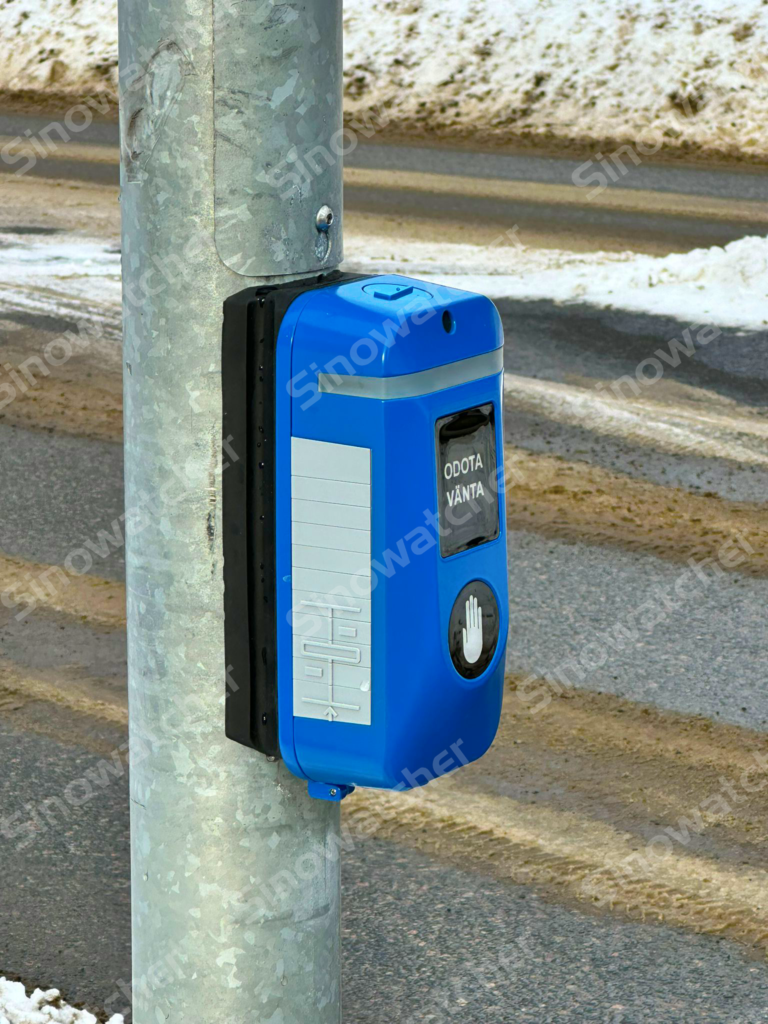
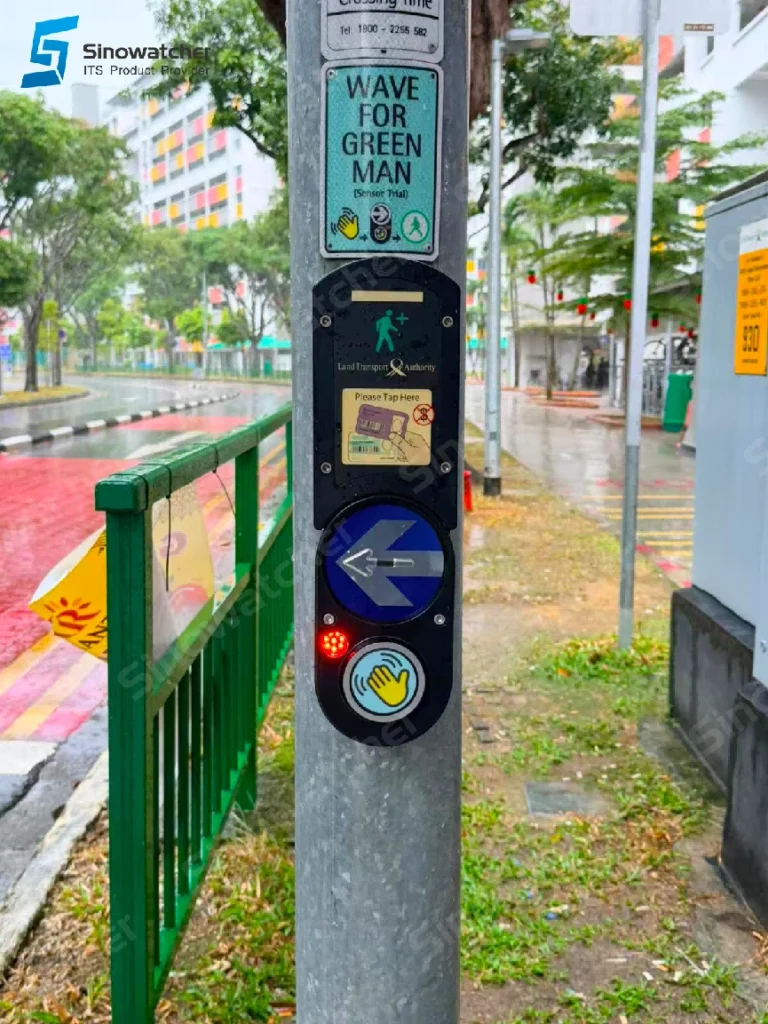
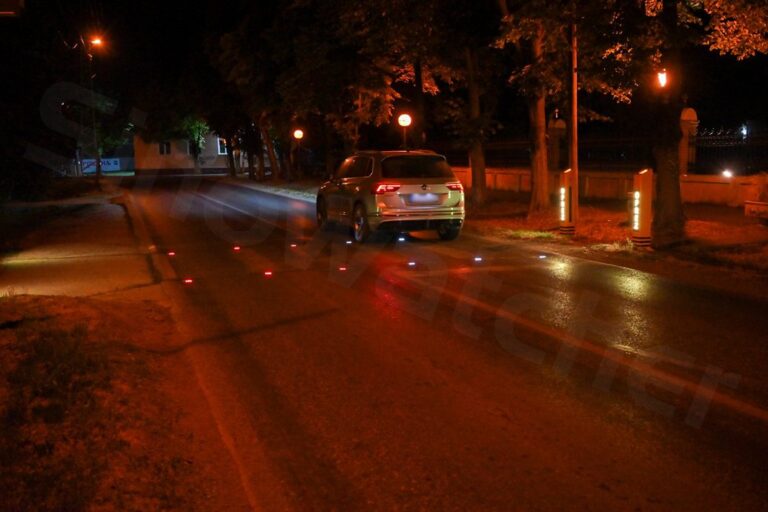
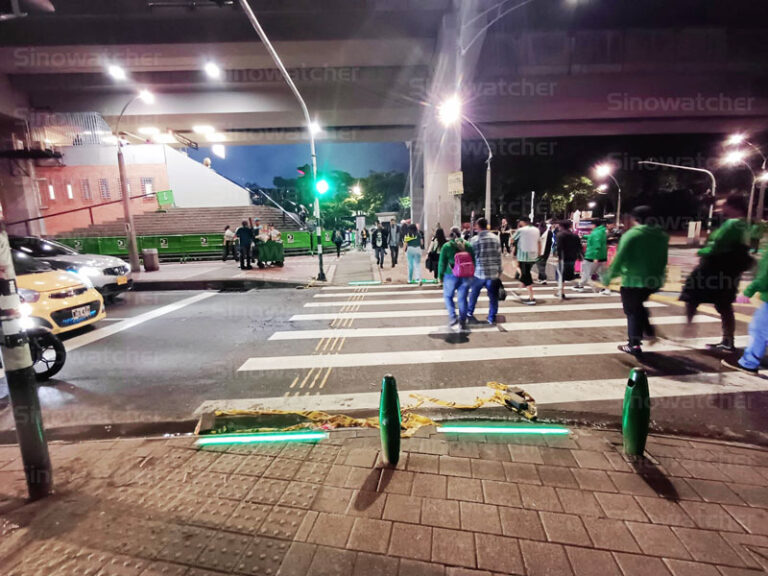
- V2P (Vehicle-to-Pedestrian): Communication between vehicles and vulnerable road users such as pedestrians and cyclists. Through mobile devices or sensors, vehicles can detect people in high-risk zones.
- V2N (Vehicle-to-Network): Connection to mobile networks or data centers to receive real-time updates on traffic, weather, or road conditions.
- V2D (Vehicle-to-Device): Communication with internal or external devices, such as smartphones, sensors, or navigation systems.

What Is C-V2X?
C-V2X (Cellular Vehicle-to-Everything) is an advanced version of V2X that uses cellular networks (4G, 5G, and eventually 6G) to enhance communication speed, reliability, and range.
Unlike the older DSRC (Dedicated Short Range Communications) standard, C-V2X integrates more seamlessly with existing telecom infrastructure, making it easier to deploy at scale. As smart cities evolve, C-V2X is expected to become the backbone of vehicle communication—enabling real-time coordination between cars, infrastructure, and urban systems.
C-V2X operates in two modes:
- Direct mode: Communication between vehicles and infrastructure without relying on cellular towers.
- Network mode: Communication through mobile base stations—ideal for receiving traffic updates, weather alerts, or software updates.

The Role of Artificial Intelligence (AI) in V2X
Artificial intelligence plays a critical role in the evolution of V2X—not just as a complement, but as a catalyst for innovation. Here are some of the most impactful applications:
1. Autonomous Vehicles
AI enables vehicles to process massive amounts of data from V2X systems, sensors, cameras, and radar. Through deep learning, these systems can recognize patterns, predict behavior, and make decisions in real time. For example, an autonomous car can detect that another vehicle is braking sharply and respond faster than a human driver.
2. Artificial Intelligence for Traffic Management
Using machine learning techniques, data centers that manage V2X networks can analyze millions of daily events to:
- Predict traffic congestion.
- Optimize routing.
- Detect anomalies in vehicle flow.
- Coordinate smart traffic signals.
This analysis leads to more efficient urban traffic management, reducing travel time and lowering emissions.
3. Cooperative Safety Systems
AI also enables cooperative safety systems, where vehicles and infrastructure work together to protect road users. For instance, if a pedestrian suddenly crosses the street, sensors detect the movement, AI evaluates the risk, and the V2X system alerts nearby vehicles to slow down or reroute.
Conclusion
V2X Technology represents a major leap toward a more connected, safer, and efficient mobility ecosystem. Its various communication modes allow vehicles to interact with everything around them, and artificial intelligence enhances this capability by enabling predictive analysis, autonomous decision-making, and intelligent traffic management.
In the coming years, V2X and AI will become foundational technologies for smart cities and autonomous transportation.