English
  Spanish
  French
  Russian
  Arabic
 Every day, thousands of pedestrians navigate intersections that haven’t fundamentally changed since the 1950s. With static white paint, passive signals, and fixed timing cycles, traditional crosswalks were designed for a slower, simpler world. But as cities grow denser and urban mobility becomes increasingly complex, municipalities are under constant pressure to become safer, smarter, and more efficient.
The shift from standard intersections to an integrated smart pedestrian crossing system represents a monumental leap forward in reducing traffic accidents, optimizing vehicle flow, and creating a truly accessible environment for all citizens. By upgrading city infrastructure to feature intelligent systems, municipalities can move away from rigid road models and embrace a responsive, human-centered urban ecosystem.
The Limitations of Legacy Crosswalk Configurations
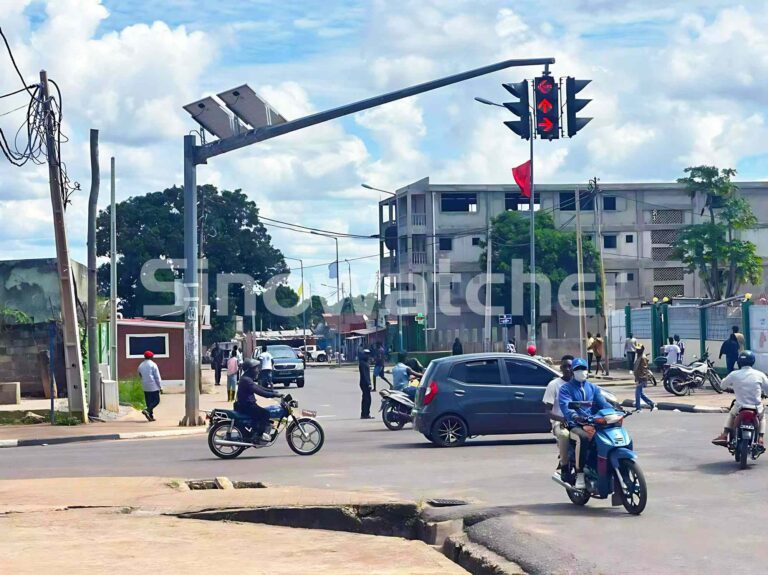
Traditional crosswalks are straightforward and inexpensive, which is why they are still widely used in low-traffic neighborhoods. However, they do not always provide enough visibility or adaptability, especially at night, in bad weather, or in areas with fast-moving traffic. A standard pedestrian crossing operates on a binary model that creates inherent liabilities:
- Fixed Timing Bottlenecks: Pre-programmed rigid cycles operate identically whether fifty people are waiting to cross or none at all, causing needless vehicle idling, localized emissions, and pedestrian crowding on sidewalks.
- Lack of Adaptive Awareness: Standard configurations cannot detect when a slow-moving pedestrian requires extra time to safely clear the lane, nor can they dynamically alert oncoming vehicles to a pedestrian stepping onto the asphalt.
- High Accident Risks: According to the World Health Organization, approximately 270,000 pedestrians die in road traffic crashes each year, making them the third-largest group of road fatalities globally, with a significant share occurring at or near legacy crossings. Traditional painted lines fade quickly and fail to account for modern behaviors, such as smartphone distraction or cyclists sharing pedestrian space
What is a Smart Pedestrian Crossing?
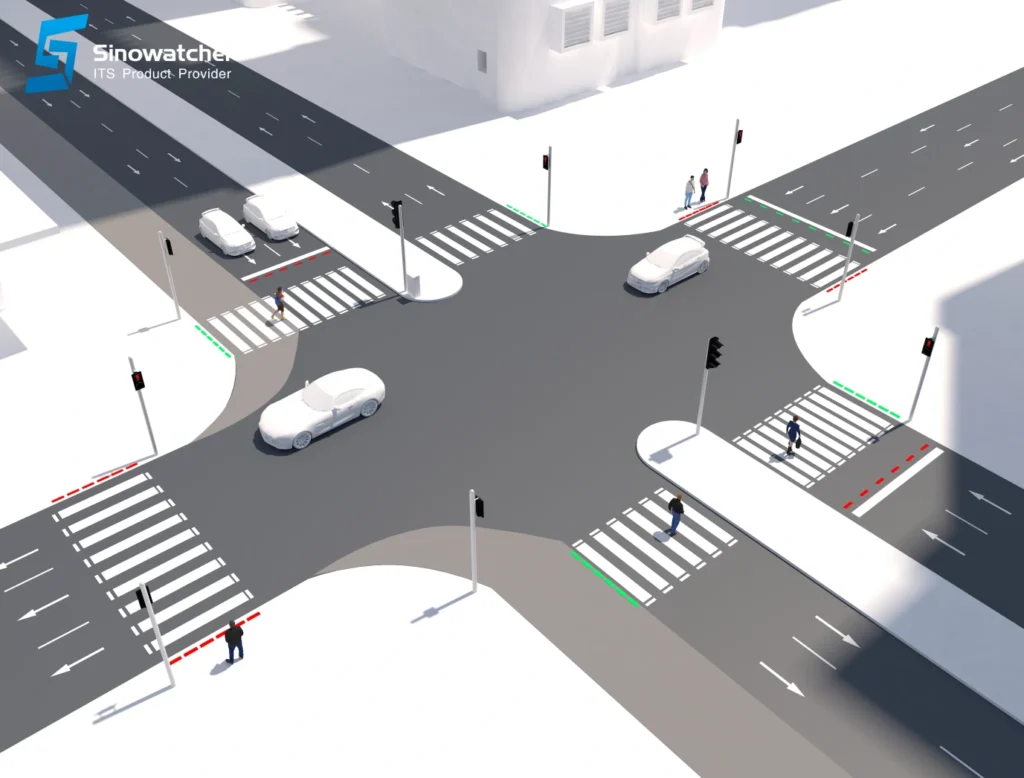
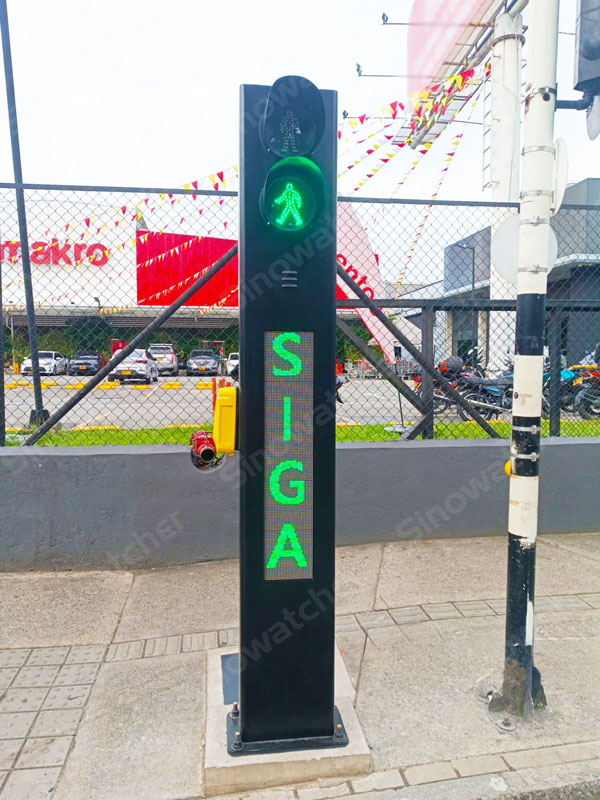
A smart pedestrian crossing is a technology-enabled crossing designed to make road users more aware of pedestrian activity. Instead of relying only on painted lines and basic signage, these systems often use sensors, LED lights, audible alerts, countdown timers, and connected controls.
The goal is simple: help pedestrians cross more safely while making traffic flow smoother and more predictable. In busy areas, this kind of system can make a major difference in how people move through the city.
What Makes a Crosswalk “Smart”?
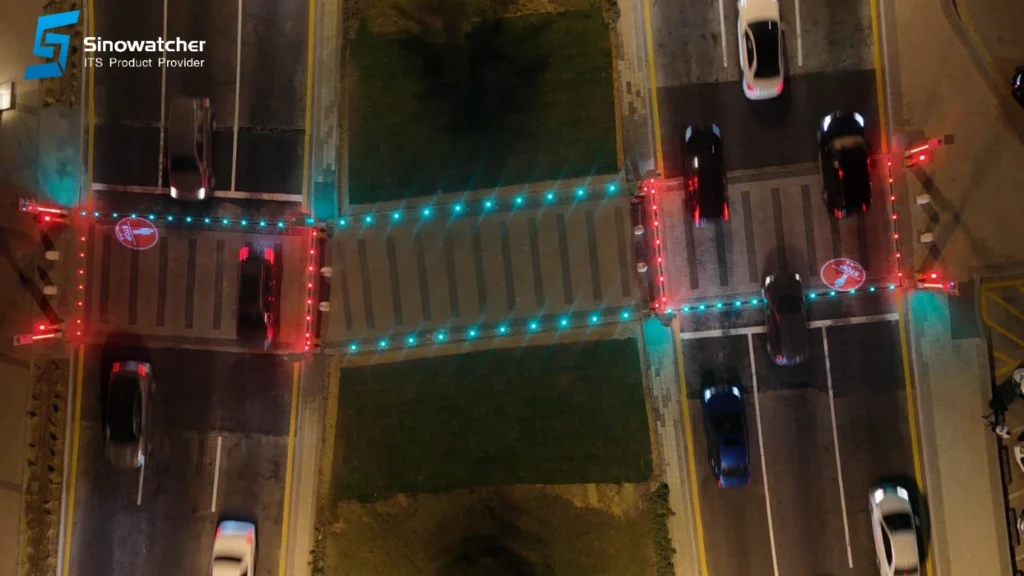
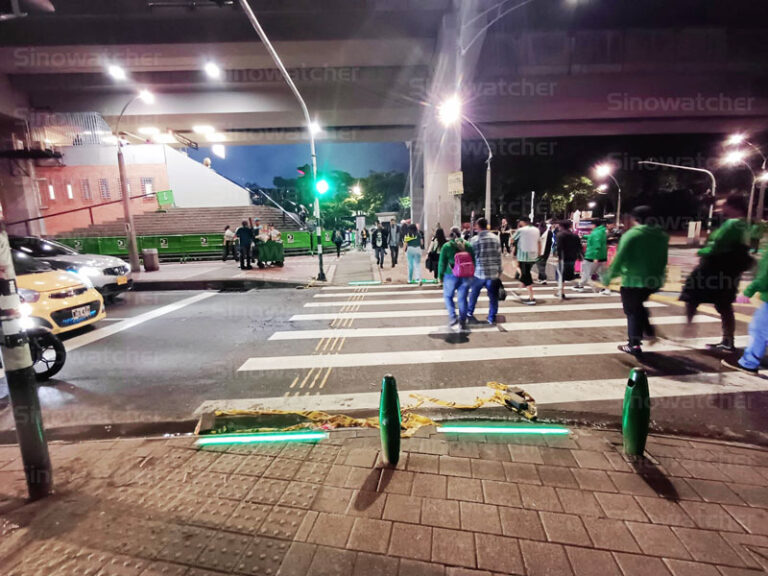
A modern Smart crosswalk transforms a passive piece of roadway into an active, interconnected node of the urban network. Instead of relying only on faded paint and basic signage, these systems use an array of advanced technologies to dynamically manage pedestrian and vehicle interactions:
- AI-Powered Computer Vision: Deep learning cameras identify pedestrian behavior, distinguish pedestrians from cyclists, and recognize vulnerable age groups (such as children or the elderly) who may need extra signal time.
- Radar and LiDAR Detection: Operating seamlessly in rain, fog, or darkness, these sensors detect presence, count individuals, and map trajectories.
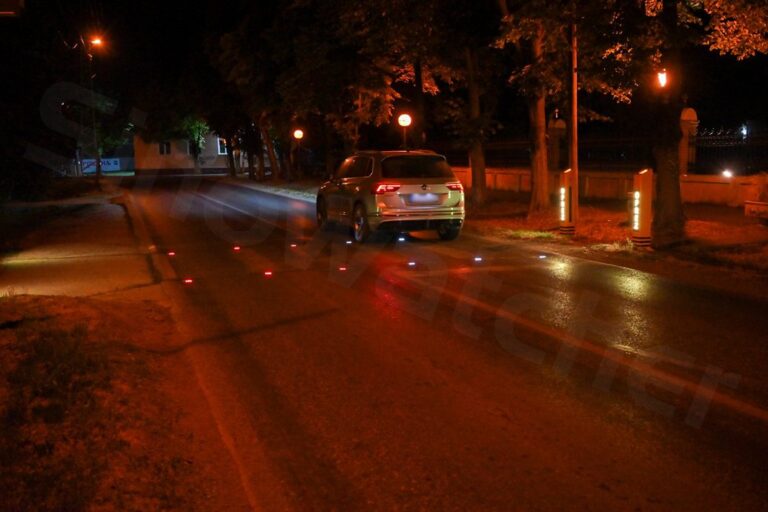
- LED Embedded Pavement Systems: Ground-level LED warning strips flash rapidly when a pedestrian enters mid-cycle or is distracted by a smartphone. Early European pilots found that in-pavement LEDs can reduce pedestrian-vehicle conflicts by up to 30%.
- Vehicle-to-Infrastructure (V2X) Communication: Crossings can broadcast real-time pedestrian presence data directly to approaching connected or autonomous vehicles (AVs), embedding the crosswalk into the modern autonomous driving ecosystem.
Integrating the Right Activation Hardware
A successful infrastructure upgrade relies heavily on the physical interaction points where pedestrians request the right of way. Rather than a one-size-fits-all approach, modern smart city design utilizes a scalable range of pedestrian push buttons tailored to specific structural and budget needs:
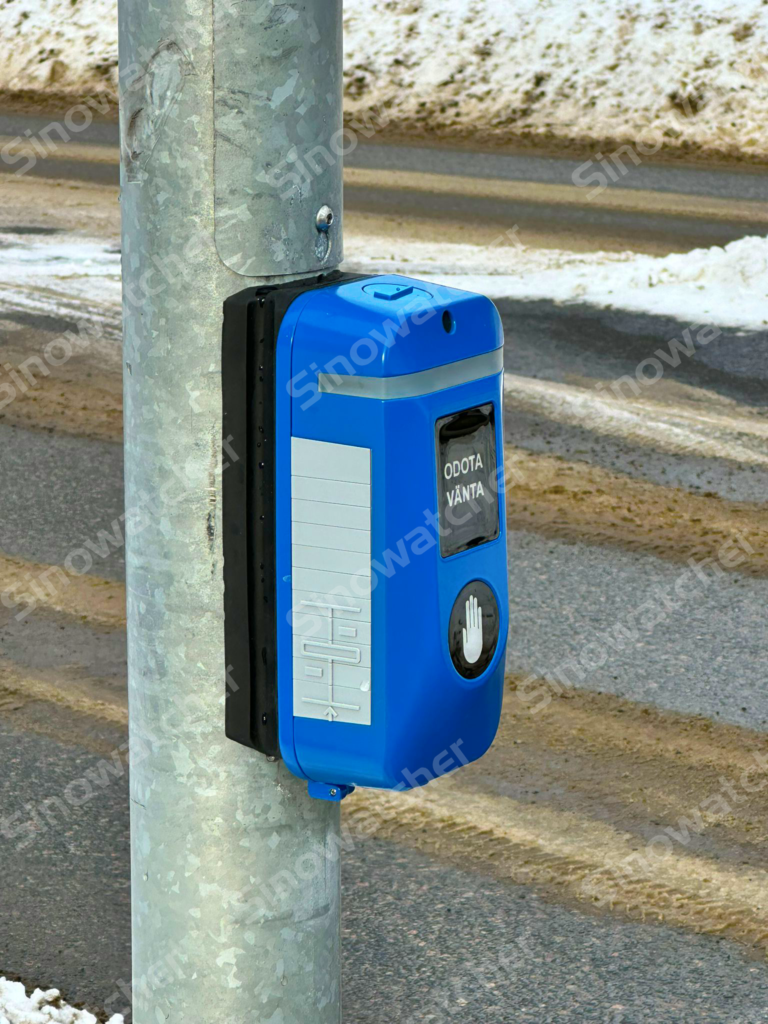
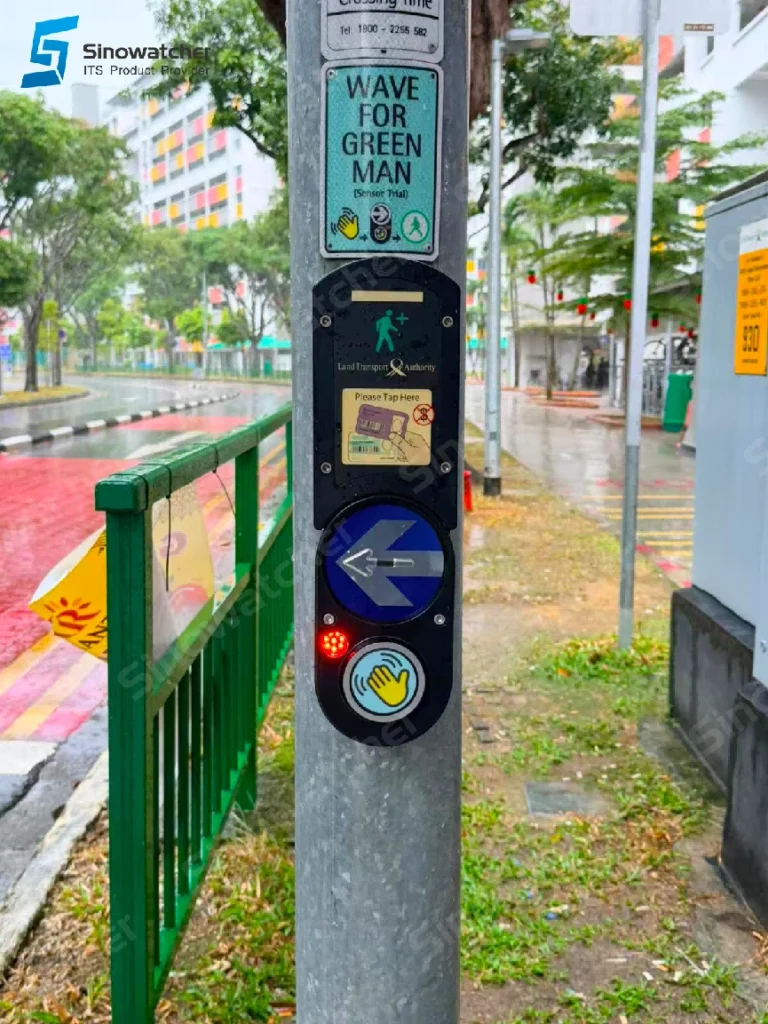
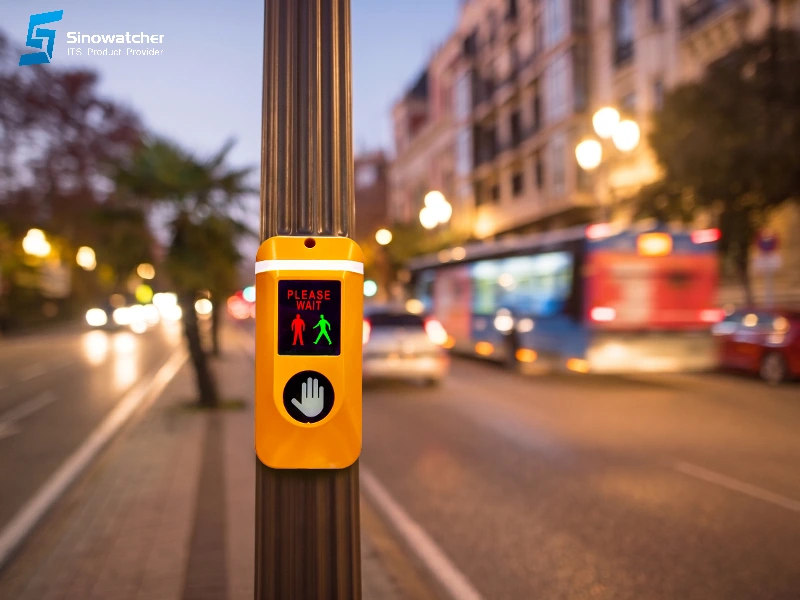
- Advanced Smart Push Buttons: For heavy foot-traffic areas, transit zones, and school environments, smart push buttons for pedestrian crossing offer a highly interactive sensory interface. These devices can trigger signals, activate flashing lights, and offer touchless gesture activation for enhanced hygiene. They also feature haptic vibration feedback and verbal auditory guidance for visually impaired citizens. Furthermore, integrated micro-sensors can feed real-time usage analytics back to central traffic networks to optimize city-wide flow.
- Heavy-Duty Mechanical Push Buttons: For locations where timeless durability and low-maintenance utility are paramount, high-quality mechanical push buttons remain an industry staple. Available in various configurations—such as vandal-resistant casings, distinct tactile long-stroke actuators, or high-visibility LED confirmation rings—these options ensure dependable performance across extreme weather conditions and remote locations.
Comparative Analysis: Traditional vs. Smart Crossings
Traffic engineers can balance budgets and functionality by evaluating how these configurations handle active roadway challenges:
| Feature / Metric | Traditional Crosswalk | Smart Pedestrian Crossing |
| Pedestrian Detection | None / Relies on manual interaction | Radar, LiDAR, AI computer vision cameras |
| Pedestrian Activation | Heavy-duty mechanical push buttons (standard or LED-confirmed options) | Non-contact smart push buttons for pedestrian crossing or automated sensor arrays |
| Signal Timing | Pre-programmed rigid schedules | Dynamic, demand-responsive adaptive timing |
| Driver Warnings | Static signs | LED embedded ground lights, dynamic signage, V2X alerts |
| Distracted Pedestrian Alerts | None | Ground-level LED pulses to target smartphone use |
| Data Collection & Systems | Isolated; no data collected or transmitted | Real-time flow, counts, dwell metrics, full smart city connectivity |
| Weather & Maintenance | Relies on manual inspection and paint re-application | Automatic sensor adjustment and predictive diagnostics |
| Cost (Installation) | Low upfront cost | Medium to High initial investment |
The ROI of Upgrading City Infrastructure
While a smart crosswalk installation costs more upfront than a traditional crossing, lifecycle cost analyses heavily favor intelligent systems when factoring in long-term societal and operational returns:
- Drastic Reduction in Incident Costs
Pedestrian accidents inflict devastating social and economic tolls. By preventing collisions through predictive flashing indicators, targeted signage, and adaptive timing, cities save significantly on emergency response resources, healthcare impact, and legal liabilities. Deployed smart crossings globally have reported a 15–45% reduction in pedestrian-vehicle incidents. - Optimized Traffic Management and Lower Emissions
Because smart crossings clear the vehicle right-of-way immediately after sensors detect that pedestrians have safely crossed, unnecessary vehicle idling is minimized. This keeps public transit on schedule, reduces fuel consumption, and cuts localized greenhouse gas emissions. - Data-Driven City Planning
Every smart crosswalk functions as an active data node. Gathering anonymous data on pedestrian counts, peak hours, and conflict hotspots allows urban planners to make evidence-based infrastructure decisions for future city expansions.
Key Insight for Urban Planners: Integrating a strategic mix of advanced smart sensors and reliable mechanical push buttons allows for a modular, cost-effective upgrade path. Cities do not always need to overhaul entire intersections overnight; they can selectively deploy the appropriate sensory buttons and advanced signage to achieve immediate safety milestones within budget.
Key Benefits of Smart Pedestrian Crossing Systems
A smart pedestrian crossing offers several important advantages.
- Improved visibility for drivers and pedestrians.
- Better protection in high-traffic or high-risk areas.
- More accessible crossings for older adults and people with disabilities.
- Better support for traffic flow and congestion management.
- A more modern and connected city experience.
These benefits are especially valuable in school zones, transit areas, business districts, and crowded urban intersections.
The Role of Smart Push Buttons for Pedestrian Crossing
One useful feature in modern crossings is smart push buttons for pedestrian crossing. Unlike basic push buttons, these can trigger signals, activate lights, or communicate with connected systems to improve awareness.
This feature gives pedestrians a more active role in the crossing process and helps ensure the system responds when people actually need it. For cities, it is a small upgrade that can have a big impact on safety and convenience.
Conclusion
The shift from traditional crosswalks to a smart pedestrian crossing system reflects how cities are evolving. With better visibility, more responsiveness, and stronger support for accessibility, smart crosswalks are becoming an important part of upgraded city infrastructure.
Features like smart push buttons for pedestrian crossings add even more value by making crossings easier to use and more effective in daily life. For cities looking to improve safety and modernize public spaces, smart crossing technology is a clear step in the right direction.
The question for city planners is no longer whether to upgrade; it’s where to start and how fast to scale.
Interested in smart city infrastructure solutions? Explore our solutions for smart pedestrian crossings.